 EN
EN
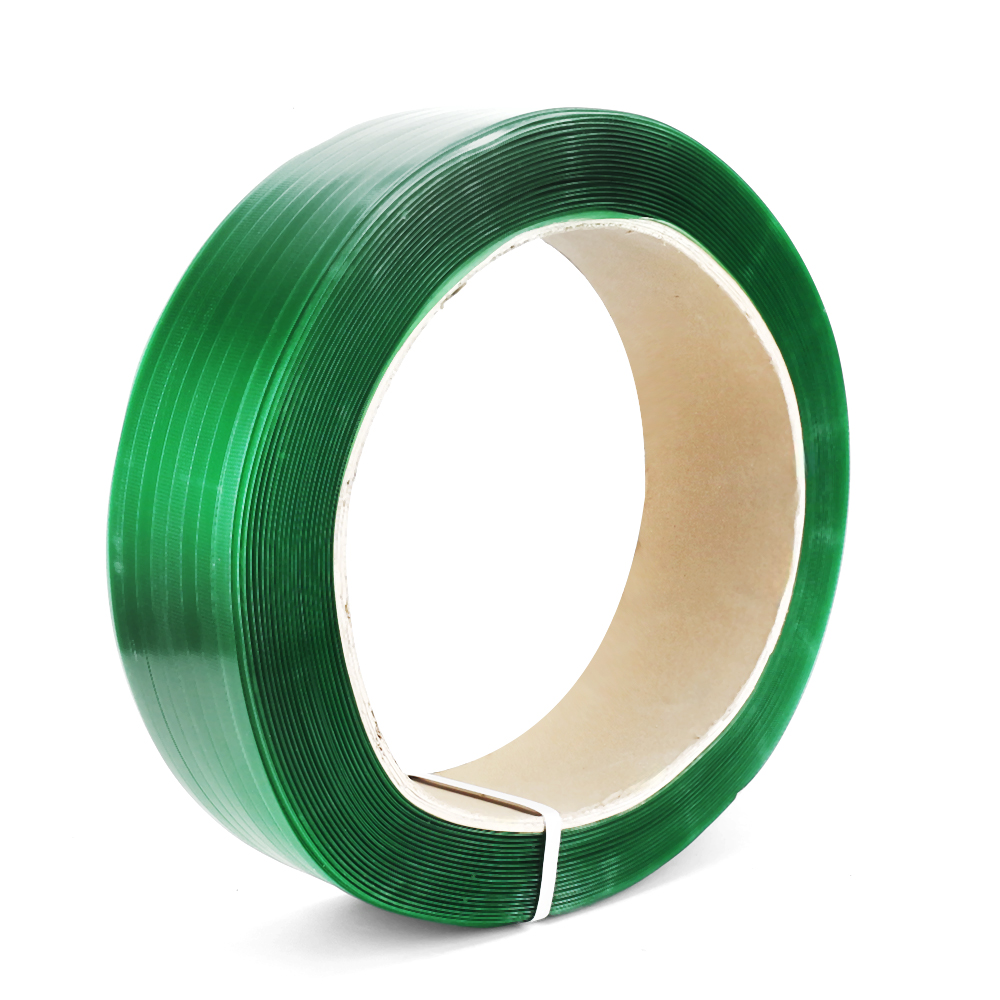
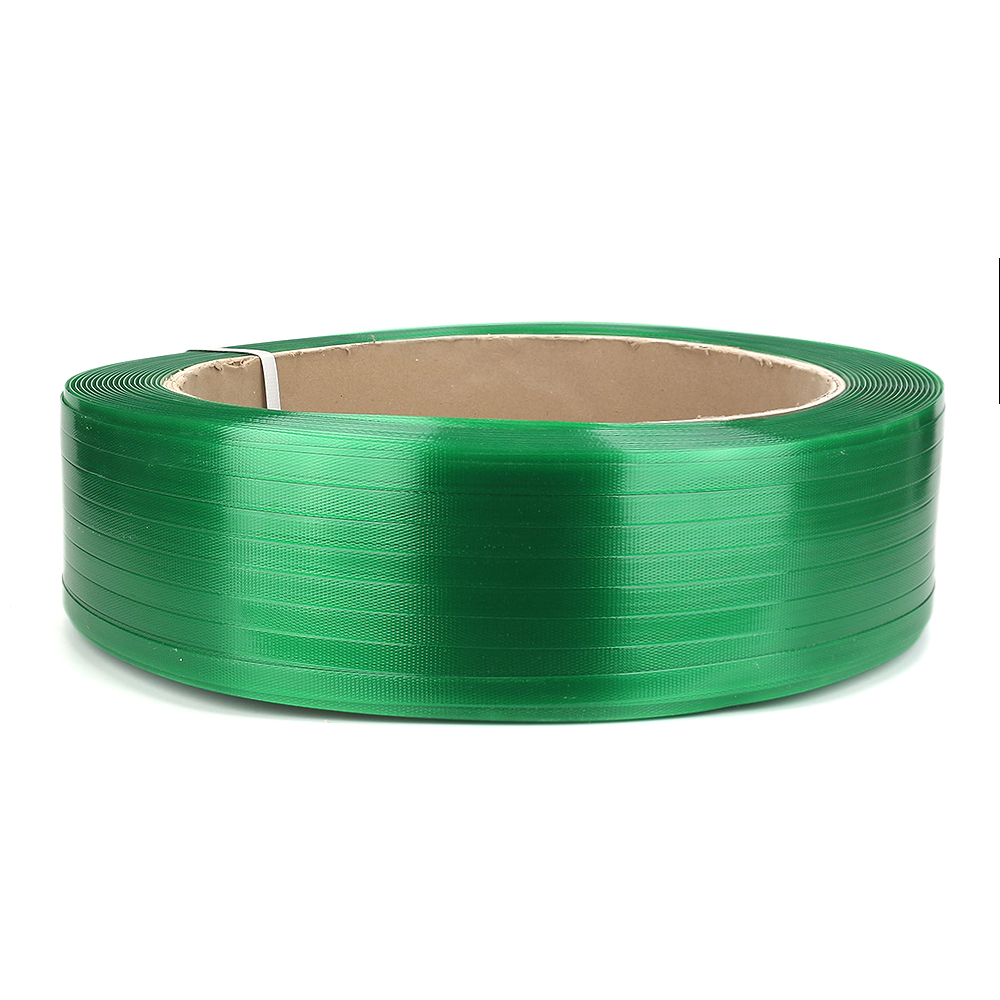
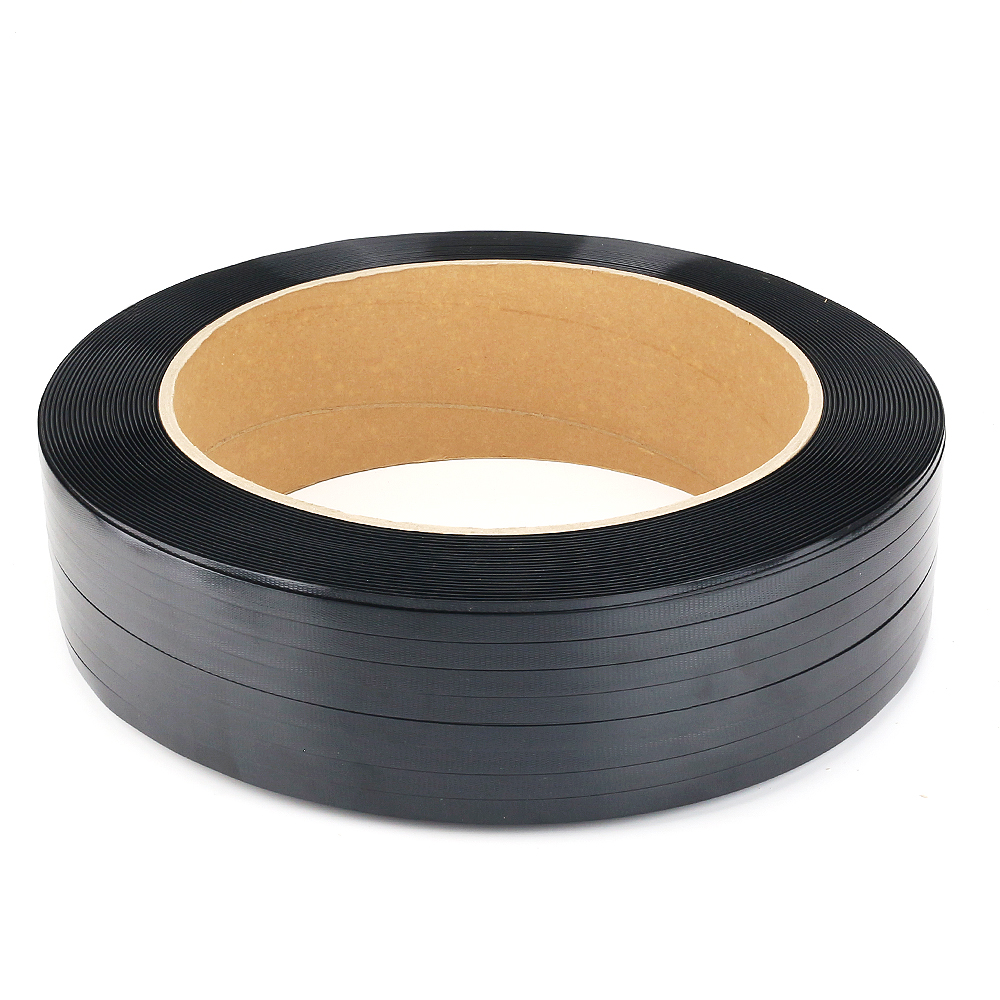
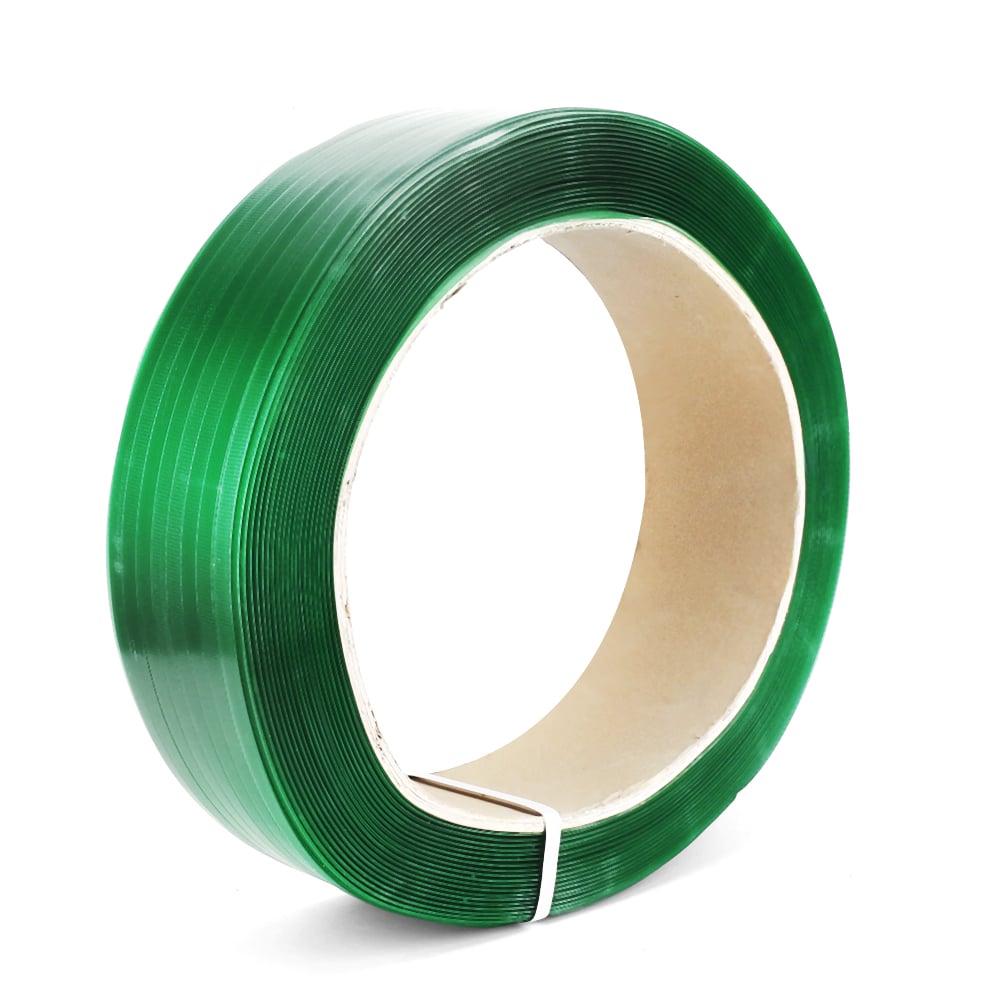
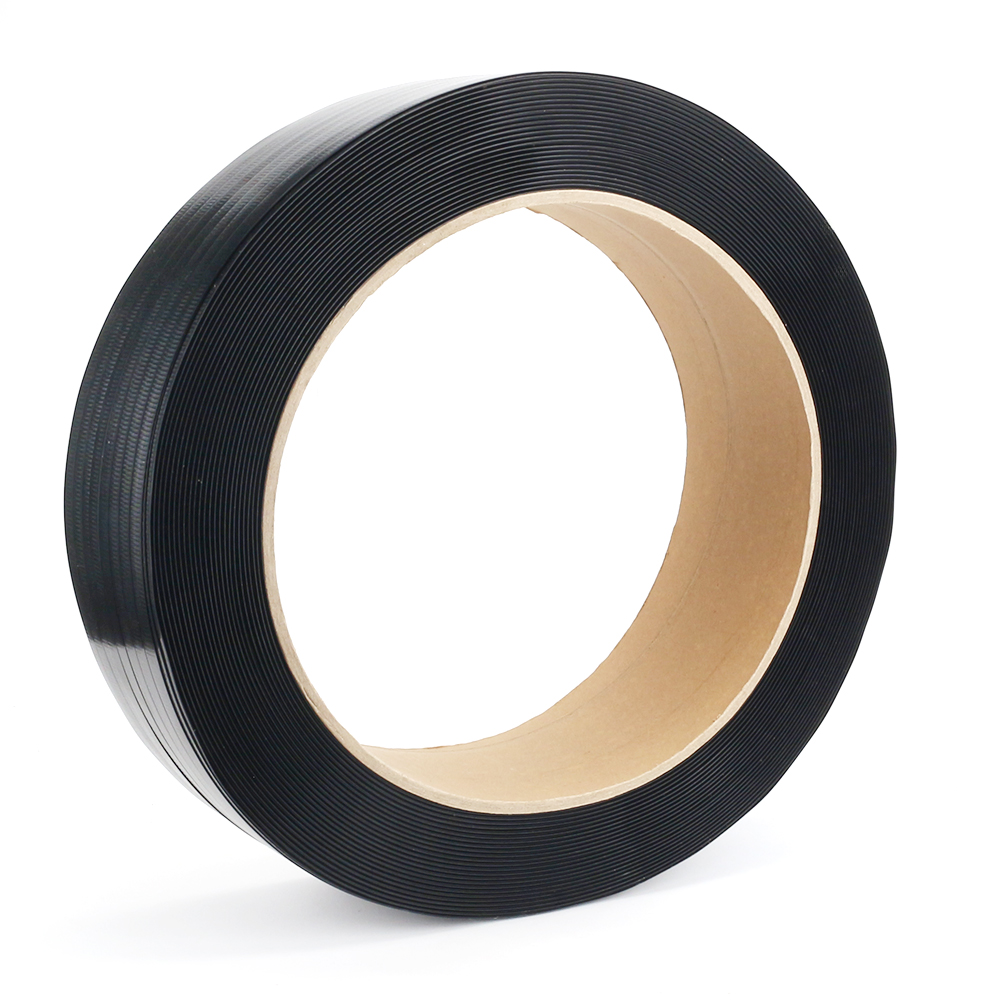
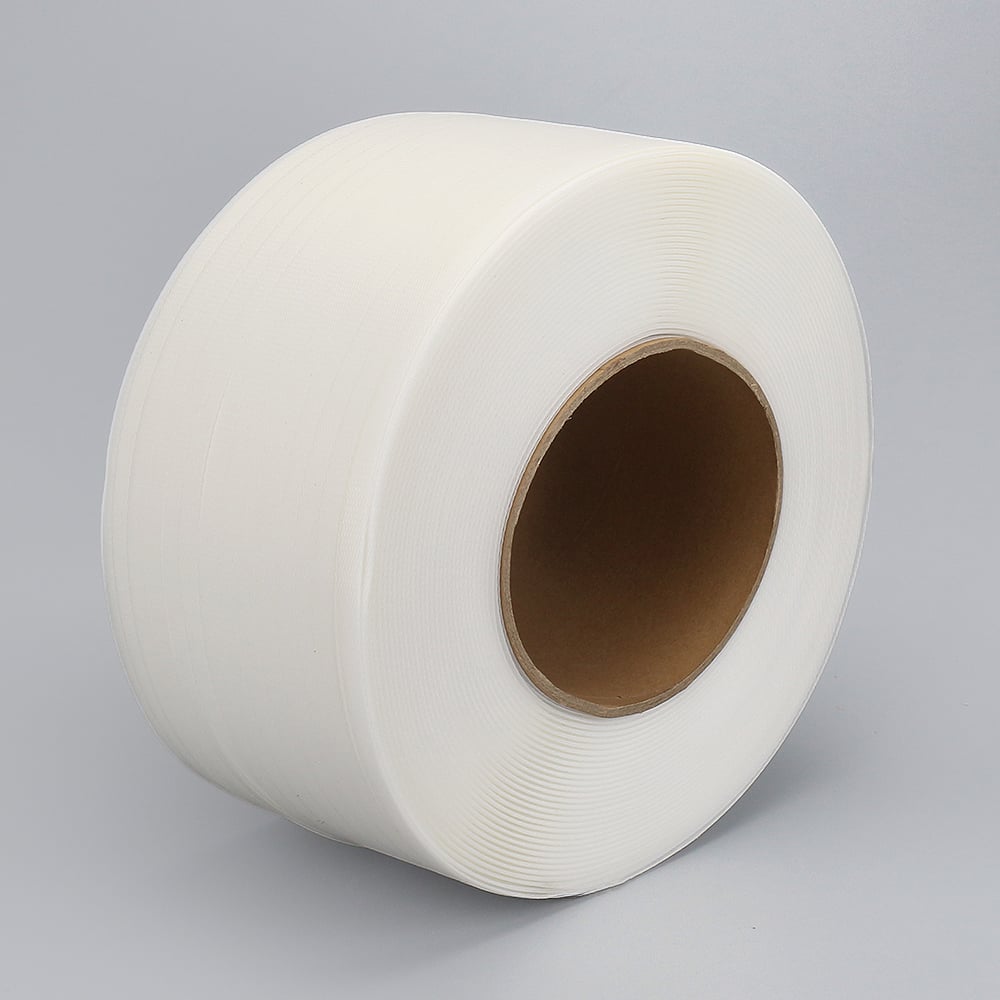
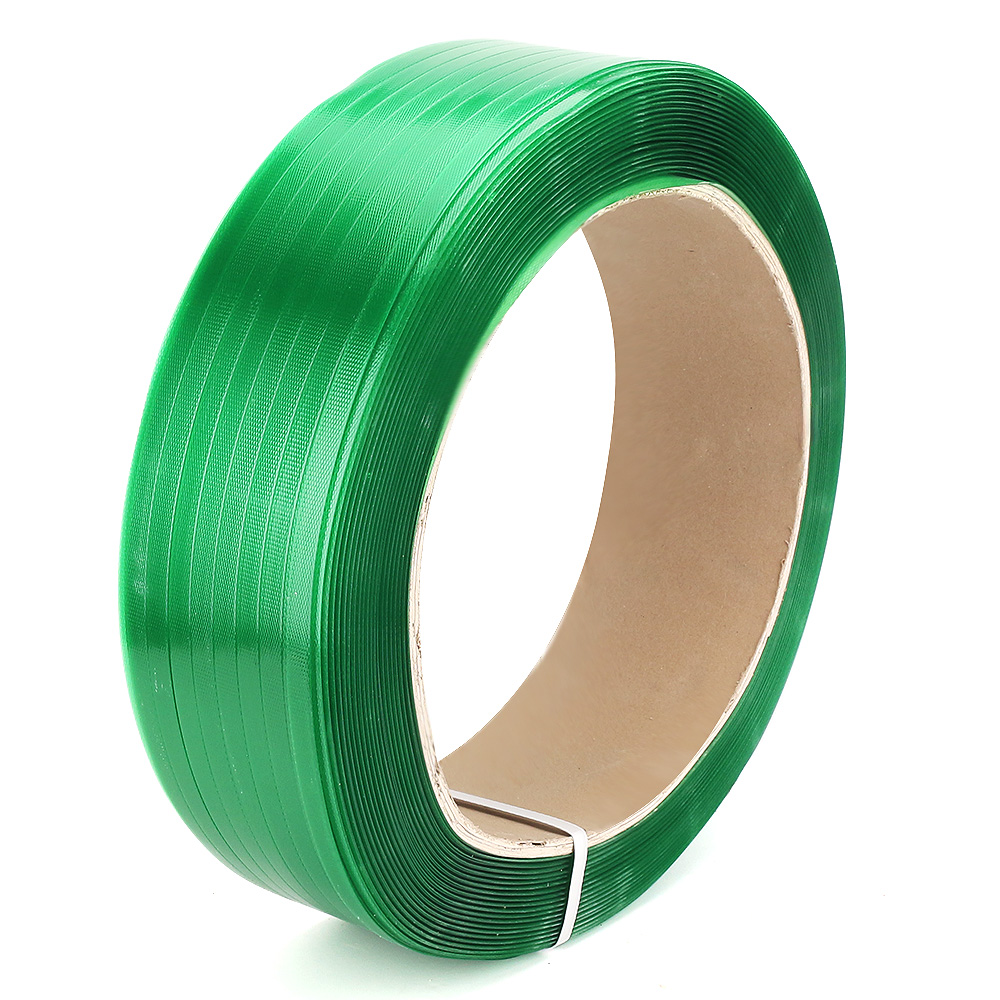
Green poly strapping is an eco-friendly solution designed for securing goods during transit. Made from recycled materials, this durable packaging option addresses the growing demand for sustainable practices in the manufacturing and distribution sectors. B2B buyers, including purchasing managers and product managers, often seek reliable polypropylene strapping solutions that ensure product integrity while minimizing environmental impact. This article will guide you through the essential aspects of green poly strapping, helping you make informed purchasing decisions.
Cost Factors to Consider When Buying Green Poly Strapping Wholesale
The cost of green poly strapping can vary significantly based on several factors. Firstly, the choice of material, PP versus PET can impact pricing, with PET typically being more expensive due to its higher strength and durability. Additionally, other factors like thickness, width, and customizations (such as colors or printing) can also influence costs.
Bulk purchasing usually leads to lower per-unit prices, so understanding the minimum order quantities (MOQs) set by suppliers is crucial for cost-effective procurement. Shipping costs should be factored in as well, especially if you are importing poly strapping from overseas manufacturers. Shipping logistics can add to the overall cost, so local suppliers may offer better pricing by reducing transportation expenses.
Lastly, it’s wise to consider the total cost of ownership, which includes not only the upfront purchase price but also potential savings from reduced waste, improved efficiency in operations, and the longevity of the strapping.