
 EN
EN
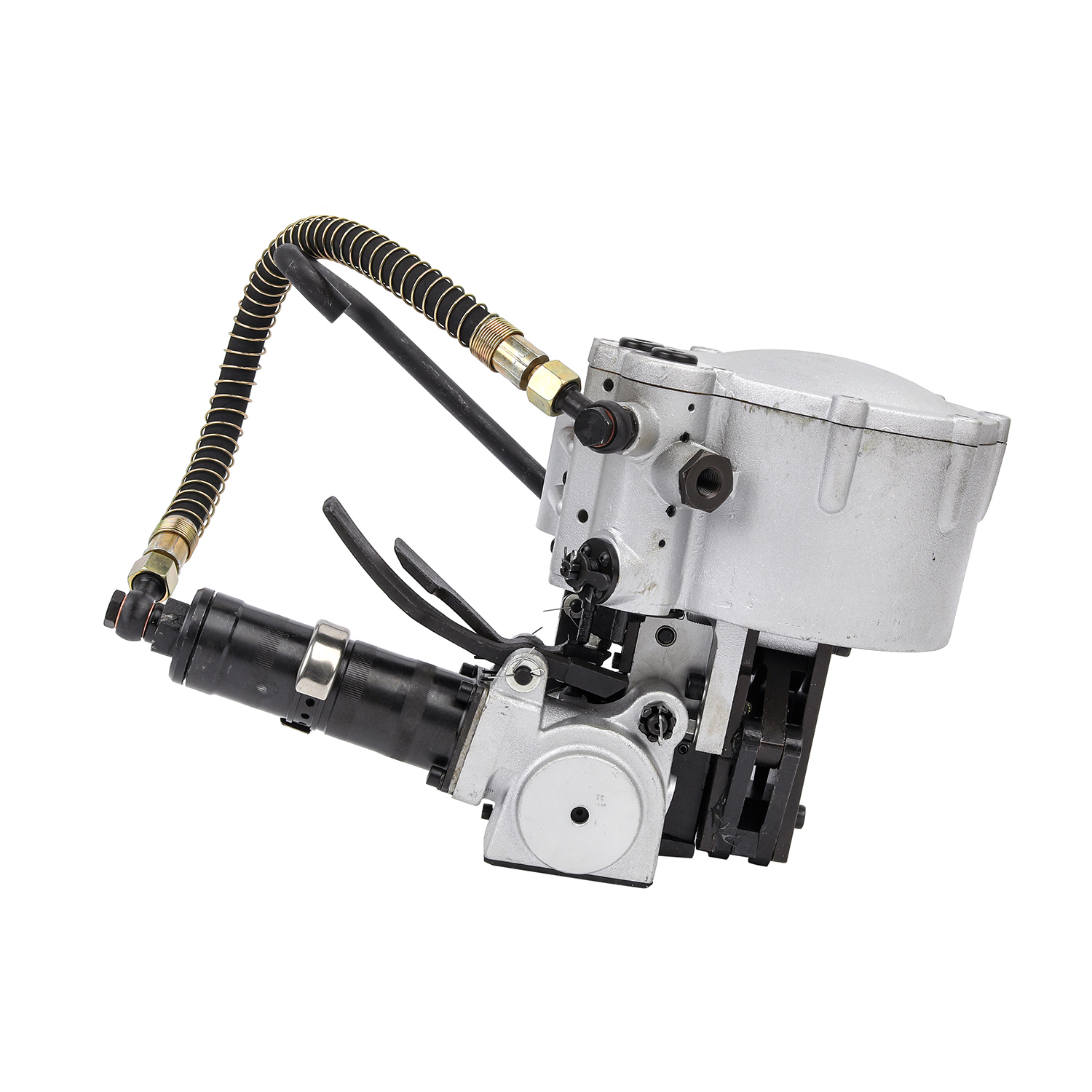
A high-speed strapping tool is essential for maximizing packaging efficiency in any manufacturing or distribution operation. As companies strive to streamline their processes, the ability to quickly and securely strap products for shipping becomes paramount. This article discusses why a high-speed strapping tool is the heart of your packaging efficiency, addressing key concerns for B2B buyers, including product selection, material quality, and operational challenges. By understanding these factors, purchasing managers and engineers can make informed decisions that enhance productivity and reduce costs.
What to Look for When Choosing a High-Speed Strapping Tool?
When selecting a high-speed strapping tool, several crucial factors should be considered. Firstly, the tool's compatibility with the strapping material—typically polypropylene (PP) or polyethylene terephthalate (PET)—is vital. Each material has different tensile strengths and elongation characteristics, which can impact the effectiveness of the strapping process. For instance, PET strapping tool is generally more durable and suitable for heavy loads, while PP strapping is often lighter and more economical for general use.
Additionally, assess the tool's operational speed and ease of use. A high-speed tool should offer quick strapping cycles, minimizing downtime. Look for features such as automatic tensioning and sealing capabilities to enhance efficiency. The weight of the tool can also affect usability; lighter models may be preferable for prolonged use, reducing operator fatigue.
Lastly, consider the tool's maintenance requirements and the availability of replacement parts. Tools that are easy to maintain and have readily available components can save time and costs in the long run, ensuring consistent performance in your packaging operations.
How High-Speed Strapping Tools Enhance Your Packaging Operations?
High-speed strapping tools significantly enhance packaging operations by improving throughput and ensuring product safety during transit. By automating the strapping process, these tools reduce labor costs, allowing staff to focus on other critical tasks. This efficiency is particularly important in high-volume environments where timely delivery is essential.
Moreover, high-speed strapping tools reduce the risk of human error. Manual strapping can lead to inconsistent tension and poor seals, which may compromise the integrity of the packaged goods. High-speed tools, equipped with sensors and automated systems, provide consistent tensioning and sealing, ensuring that every package is securely strapped.
The use of advanced materials, such as recycled PET strapping bands, further contributes to operational efficiency. These machine strapping solutions not only promote sustainability but also maintain robust performance under various conditions, ensuring that packaged goods arrive safely at their destination.
Why Material Matters in Strapping Tools?
The choice of material in strapping tools directly influences their performance and application suitability. Plastic strapping, particularly PP and PET, offers specific advantages tailored to various packaging needs. For example, PET strapping is known for its high tensile strength and resistance to elongation, making it ideal for heavy items or situations where load stability is crucial.
Furthermore, the environmental considerations of strapping materials are increasingly relevant. Companies like Enjoy Packaging manufacture strapping from recycled bottle flakes, providing a sustainable option that meets the rising demand for eco-friendly solutions. This not only helps companies reduce their carbon footprint but can also enhance their brand image in a market that values sustainability.
Buyers should evaluate the material's compatibility with their specific application. Factors such as temperature exposure, moisture levels, and the weight of the goods being strapped must be considered. The right material choice can lead to improved performance and reduced risk of damage during transportation.
Common Problems with Strapping Tools and Effective Solutions
Despite their advantages, high-speed strapping tools can encounter a range of common issues that affect their performance. One frequent problem is misalignment, which can lead to improper strapping and increased waste. This can often be resolved through regular maintenance and calibration, ensuring that the tool remains in optimal working condition.
Another challenge is the difficulty in handling certain strapping materials, particularly if they are not compatible with the tool. Buyers should ensure that the selected high-speed strapping tool is designed for their specific strapping material. Testing samples during the procurement process can help identify any potential issues before full-scale implementation.
Additionally, users may experience problems with tensioning and sealing. If packages are not adequately tensioned, they may shift during transit, leading to damage. Tools equipped with automatic tensioning features can mitigate this risk. Regular training for operators on the correct usage of the tools can also help reduce operational errors and improve overall efficiency.
Installation Tips for Maximizing High-Speed Strapping Tool Performance
Proper installation and setup of high-speed strapping tools are critical to achieving maximum performance. Start by ensuring that the tool is positioned at a suitable height and angle for ease of use, allowing operators to work comfortably without straining.
Next, verify that the strapping material is loaded correctly according to the manufacturer’s specifications. Misloading can lead to jams or inconsistent strapping. Familiarize operators with the tool’s manual and ensure they understand the correct loading procedures.
Regular maintenance checks should be scheduled to keep the tool functioning optimally. This includes cleaning, lubrication, and replacing worn parts as necessary. Establishing a routine for these checks can prevent unexpected breakdowns and prolong the tool's lifespan.
Lastly, consider investing in additional training for your team. Understanding the nuances of the strapping process and the specific features of the tool can greatly enhance efficiency and reduce errors. By following these installation tips, companies can maximize the performance of their high-speed strapping tools, ultimately leading to improved packaging efficiency.