 EN
EN
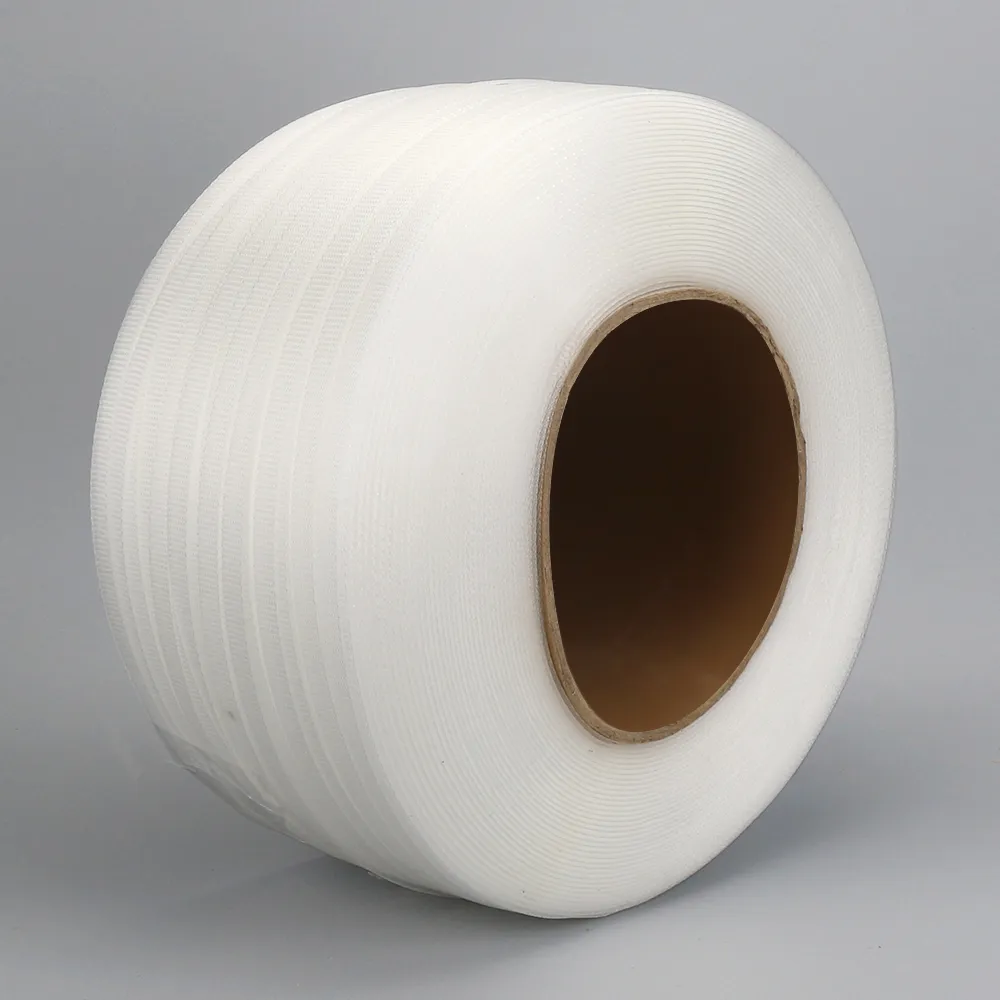
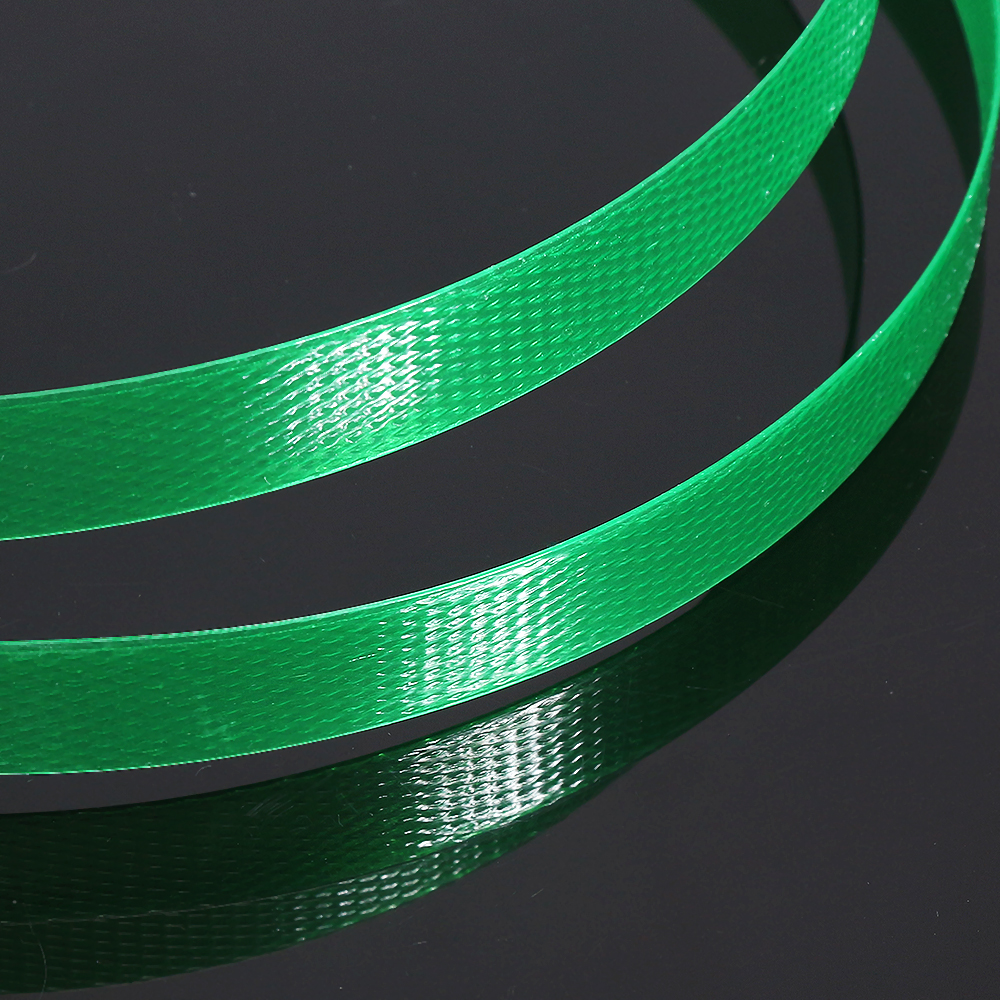
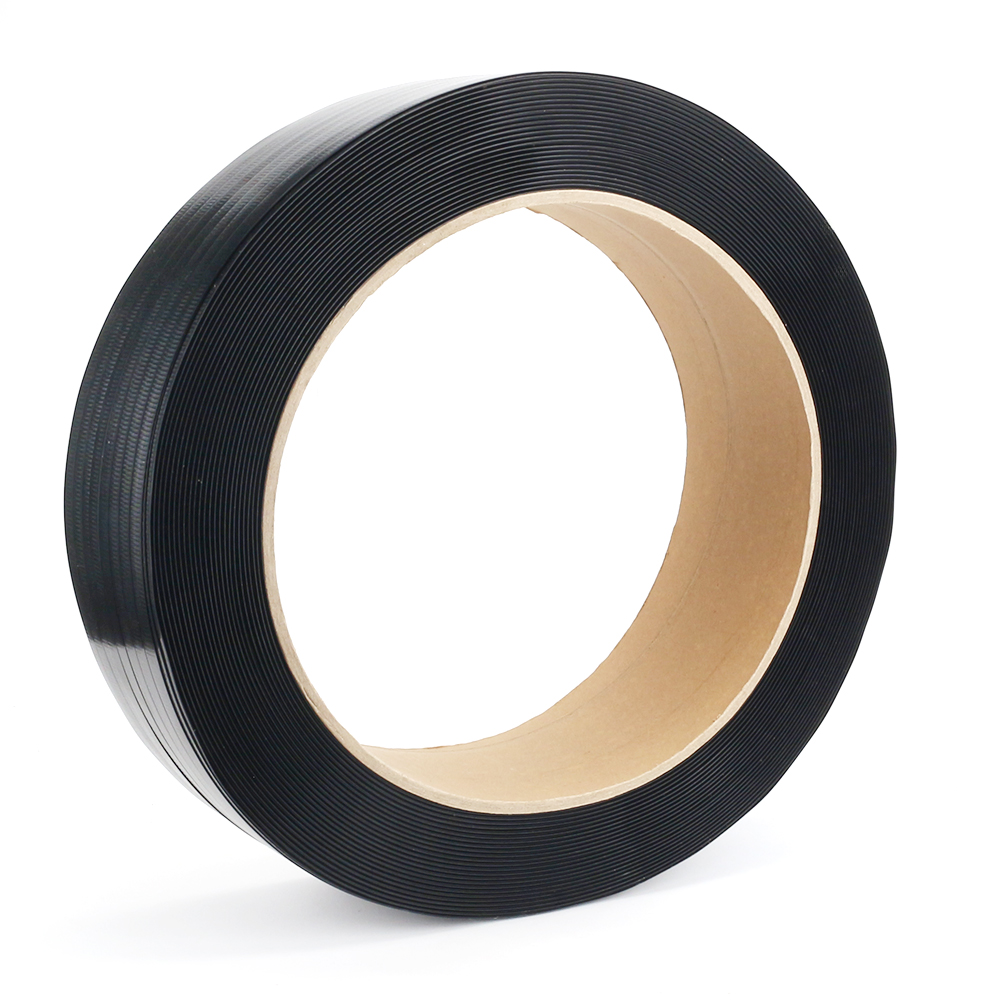
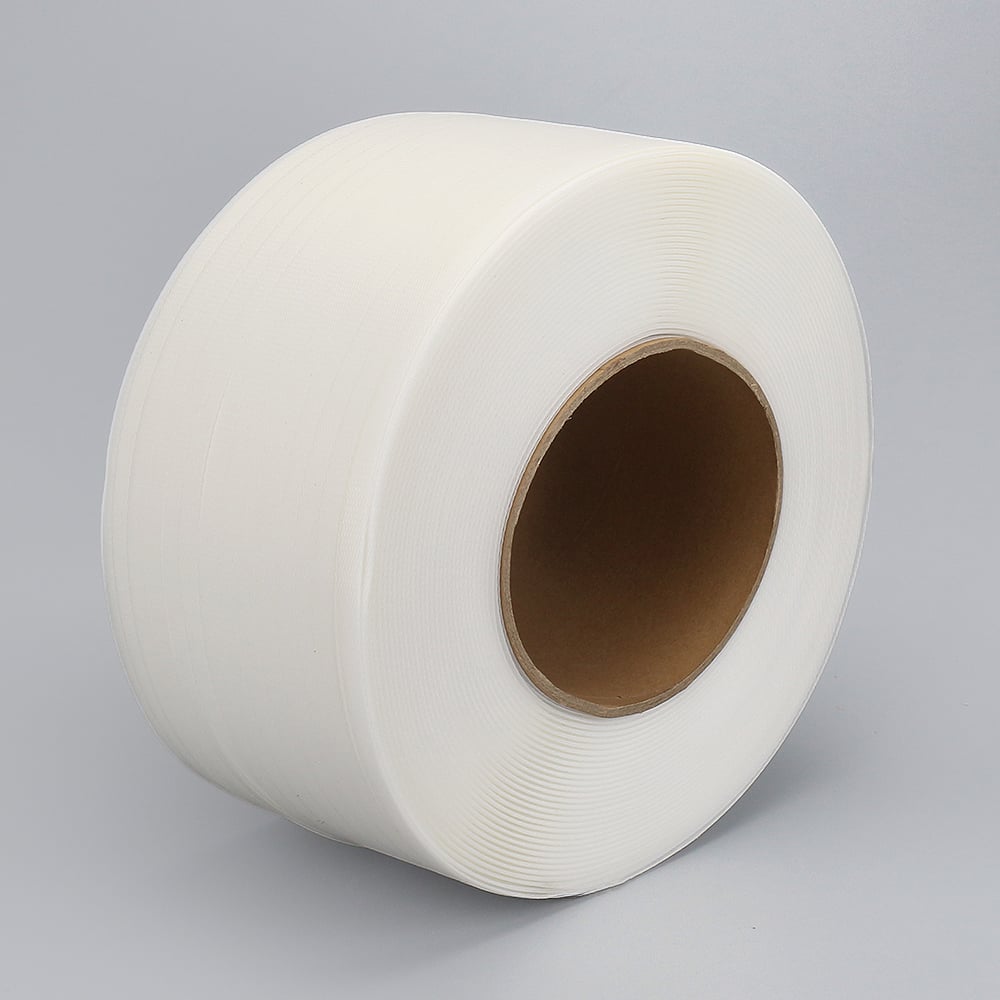
When securing goods during transit, poly strapping is an essential solution for many businesses. Made from high-quality materials like polypropylene (PP) and polyethylene terephthalate (PET), poly strapping offers durability and stability, crucial for ensuring the safe delivery of products. However, selecting the right poly strapping can be challenging for B2B buyers, as various factors such as application requirements, material properties, and manufacturing capabilities come into play. This article aims to guide purchasing managers, distributors, and engineers through the key considerations when choosing poly strapping, common issues, and practical applications across different industries.
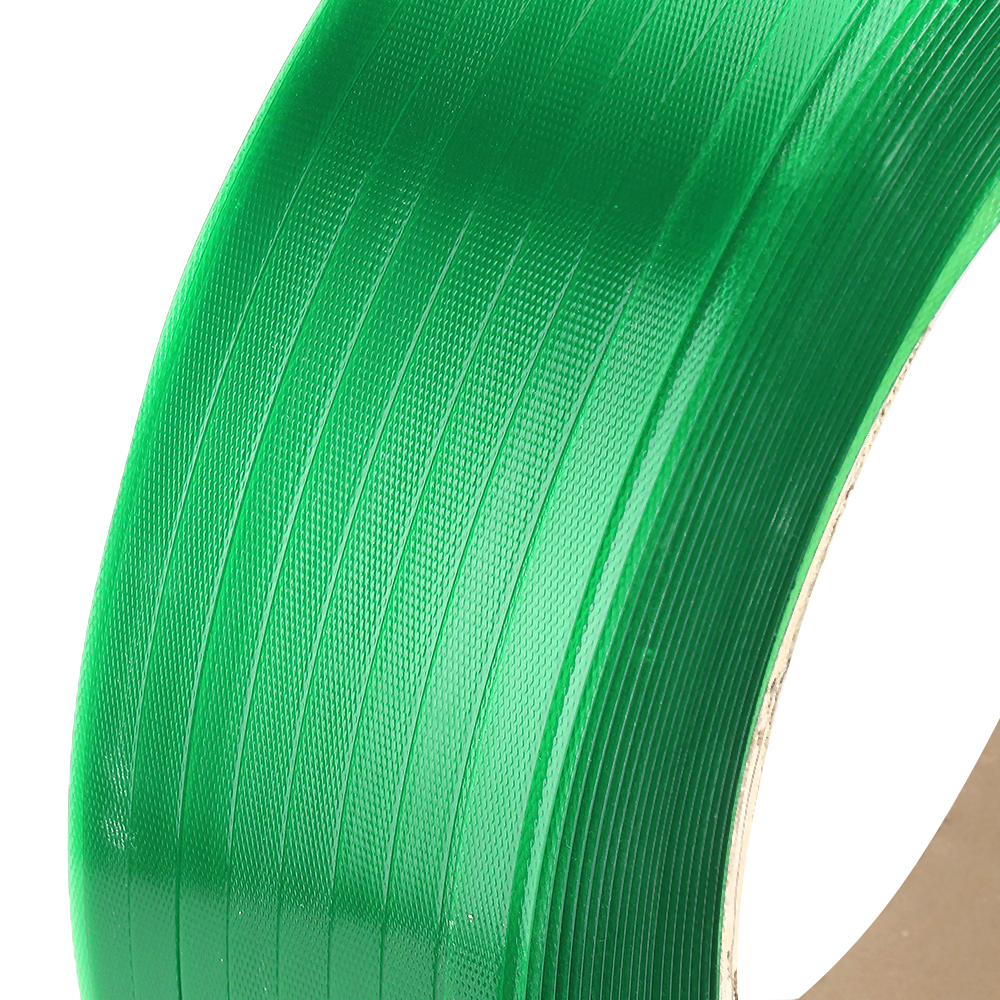
Which is Right for You?
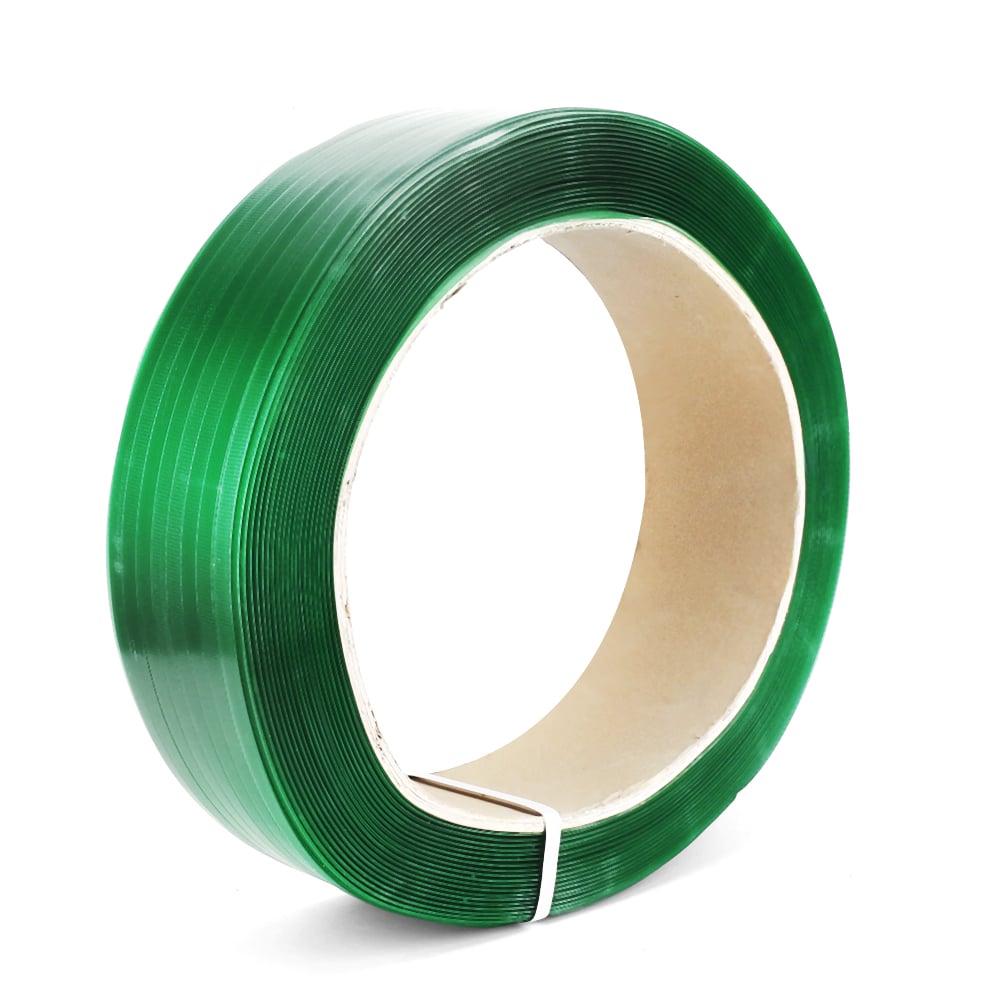
Choosing the right poly strapping depends on the specific requirements of your application. For instance, if you need strapping for packaging heavy machinery, PET strapping would be more suitable due to its higher tensile strength and durability. Conversely, if you are shipping lighter products, PP strapping may suffice.
Additionally, consider the conditions under which the strapping will be used. If the items are exposed to moisture or extreme temperatures, ensure that the selected strapping can withstand those conditions without compromising its integrity. Buyers should evaluate their operational environment and product handling processes to make an informed decision.