
 EN
EN
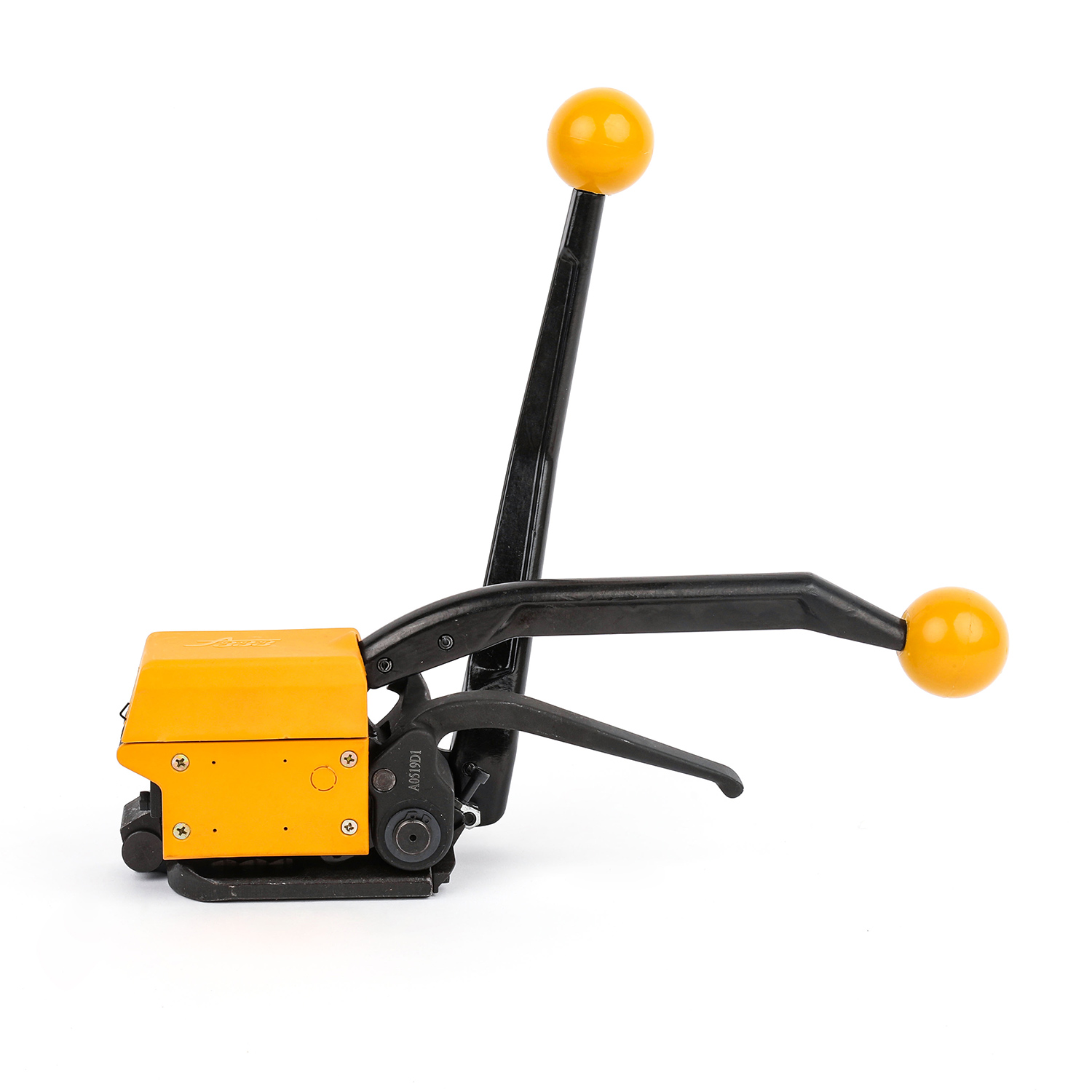
Scaling up your packaging operation can be a complex task, especially when it comes to choosing the right tools for the job. A hand strapping tool can be a game changer in this regard, providing a reliable solution for securing packages during transit. However, understanding how to select a quality tool that meets your operational needs is essential. This article will explore the secret to scaling up your packaging operation with a hand strapping tool, addressing key buyer concerns and providing practical insights to help you make informed decisions.
How to Ensure Quality and Durability in Hand Strapping Tools?
The quality and durability of hand strapping tools are paramount for effective packaging operations. When evaluating these tools, consider the materials used in their construction. High-quality hand strapping tool often feature components made from durable metals and robust plastics, ensuring they can withstand the rigors of continuous use. For example, tools with steel frames are generally more robust and can handle higher tension levels, which is crucial for securing heavy loads.
Another crucial factor is the tool's design. Ergonomic designs can significantly reduce user fatigue, enhancing both comfort and efficiency during extended use. Look for features like cushioned grips and adjustable tension settings, which can help optimize performance. Additionally, inspect the warranty and manufacturer reputation; a strong warranty often indicates the manufacturer’s confidence in their product’s durability.
Where to Source Reliable Hand Strapping Tools for Wholesale Orders?
Sourcing reliable hand strapping tools for wholesale requires due diligence. Start by identifying reputable manufacturers and suppliers that specialize in packaging solutions, such as Enjoy Packaging. These suppliers often have established credibility in the market, which can provide assurance regarding product quality.
When considering wholesale orders, it's essential to evaluate the supplier's minimum order quantities (MOQs) and lead times. Some manufacturers might have higher MOQs, which could impact your cash flow and inventory management. Furthermore, always review their quality control processes. Suppliers that employ rigorous inspection methods, like continuous monitoring during manufacturing, are more likely to deliver consistent, high-quality tools.
Don’t hesitate to request samples before placing a large order. Testing a sample hand held strapping tool will help you assess its performance and ensure it meets your operational requirements.
PP vs. PET for Your Projects
Choosing between polypropylene (PP) and polyethylene terephthalate (PET) for your strapping needs involves understanding the properties and applications of each material. PP strapping is generally more flexible and lighter, making it suitable for lighter loads and applications where a degree of stretch is advantageous. It is also often more cost-effective, making it a popular choice for general packaging tasks.
On the other hand, PET strapping offers superior strength and is recommended for securing heavier and more demanding packages. It has excellent resistance to UV radiation and temperature fluctuations, making it ideal for outdoor storage and transit. When selecting between PP and PET, consider the specific requirements of your project, including load weight, environmental conditions, and budget constraints.
Installation Tips for Maximizing Efficiency with Hand Strapping Tools
Proper installation techniques are key to maximizing the efficiency of your hand strapping tools. Start by ensuring that the strapping is threaded correctly through the tool, as improper threading can lead to inefficient tensioning or even tool damage. Familiarize your team with the specific operation of the tool, as each model may have unique features that enhance performance.
It's also advisable to perform regular maintenance checks on your tools. This includes cleaning the strapping surfaces to prevent debris buildup, which can interfere with the tool's operation. Additionally, inspect for wear and tear, particularly on critical components like seals and tensioners, to ensure they remain in optimal working condition.
For high-volume operations, consider implementing a training program for your staff. Training on best practices for using hand strapping tools can lead to increased efficiency, reduced errors, and ultimately, lower operational costs.
Common Problems in Packaging Operations and Strapping Solutions
Packaging operations can encounter several challenges, and understanding these issues is crucial for maintaining efficiency. One common problem is improper strapping tension, which can lead to package damage during transit. Using a hand strapping tool with adjustable tension settings can help mitigate this risk by allowing operators to customize the tension based on the package type.
Another issue is the risk of strapping breakage, especially when using inferior materials. Ensuring that you source high-quality strapping materials, such as those produced from recycled bottle flakes by reputable manufacturers, can significantly reduce this risk. Furthermore, implementing a quality control process during packaging can help catch potential issues before shipments go out.
Lastly, improper tool usage can lead to wasted time and materials. Regular training and clear operating procedures can minimize errors and improve overall productivity. By addressing these common problems proactively, you can enhance the effectiveness of your packaging operations and ensure your products arrive safely at their destination.
By understanding the nuances of hand strapping tools and implementing best practices in sourcing, usage, and quality control, your packaging operations can achieve greater efficiency and reliability.