 EN
EN
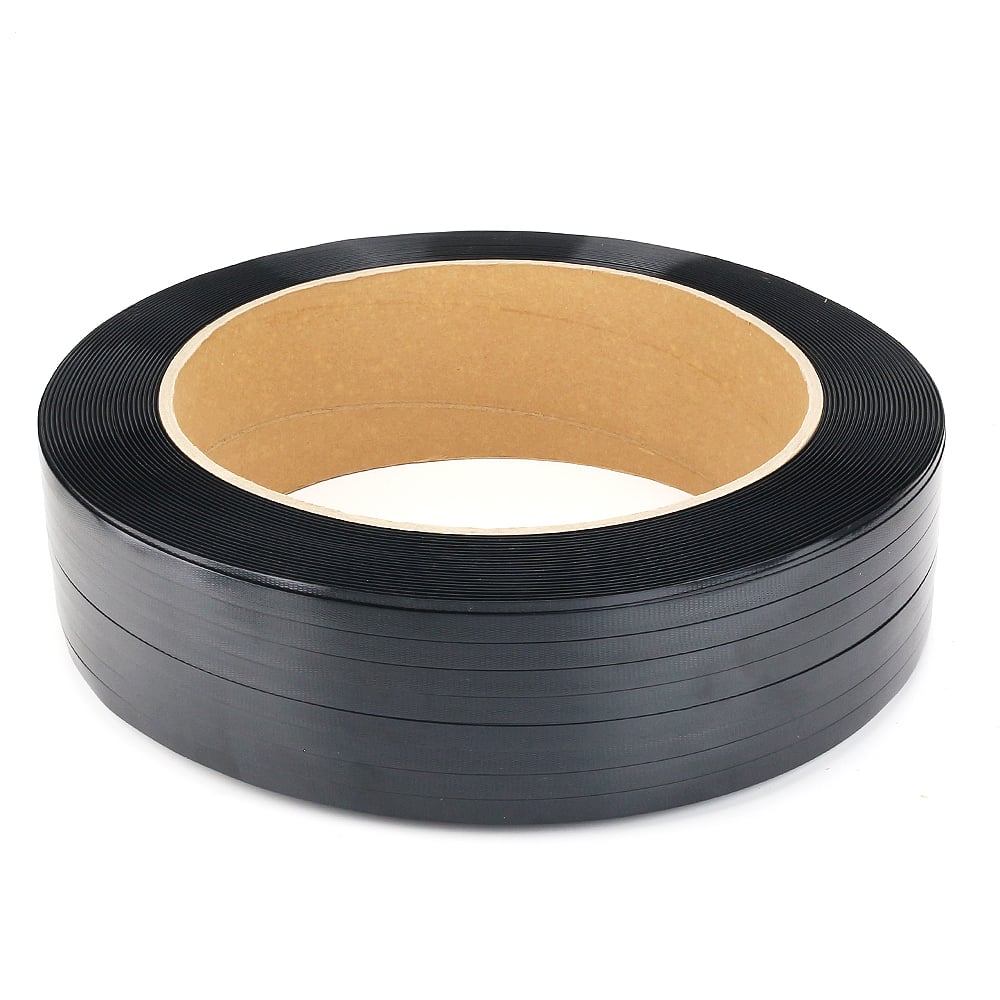
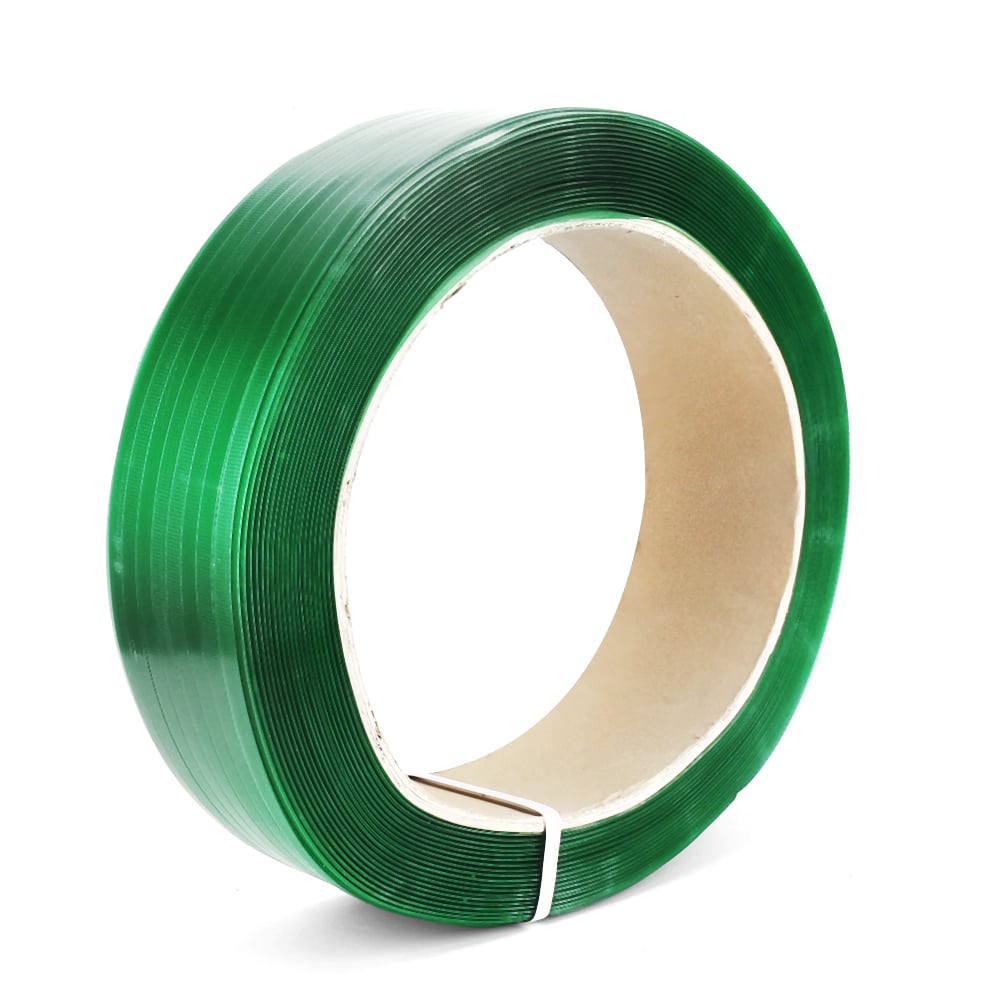
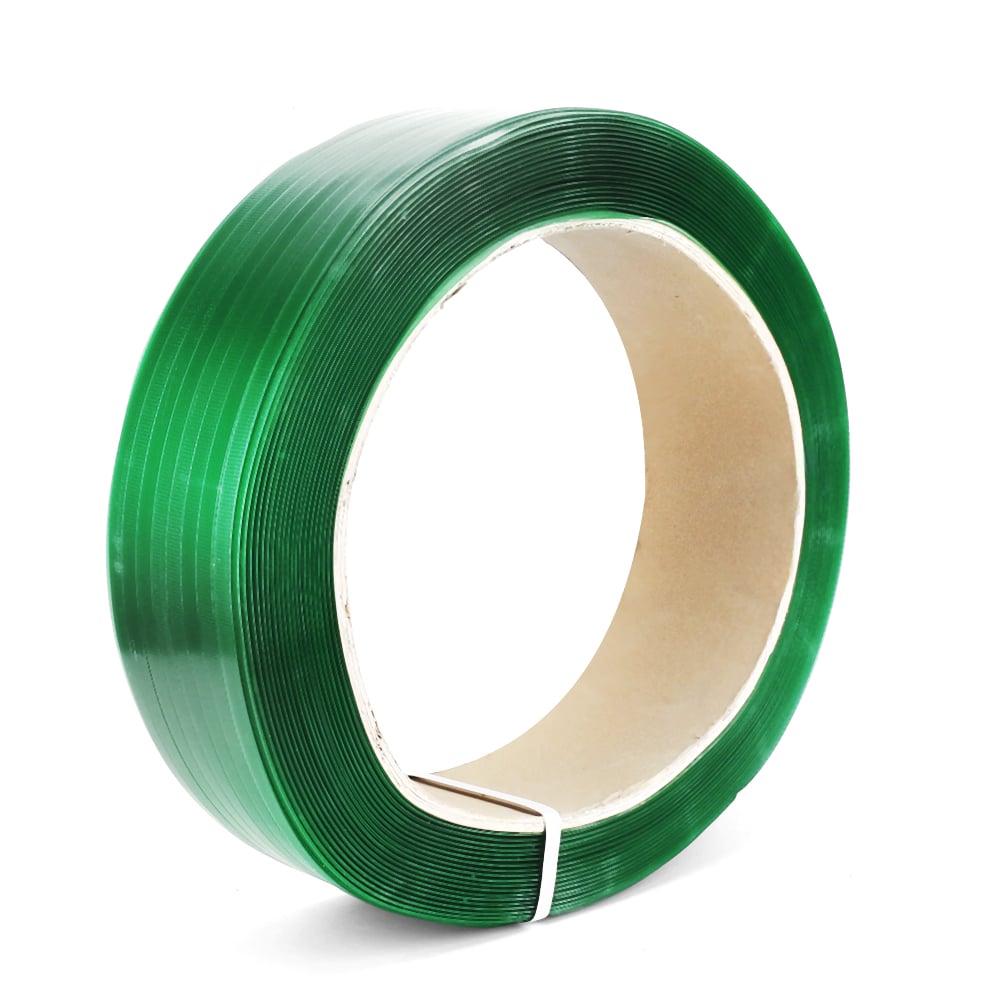
Polyester strapping tape is a vital solution for securing goods during transit, particularly in industrial and commercial applications. It is essential for B2B buyers of wholesale polyester strapping tape such as purchasing managers, engineers, and product managers to understand the various key specifications and qualities of polyester strapping tape to ensure they make informed purchasing decisions. This article will guide you through the selection process, key specifications to evaluate, purchasing options, common issues, and the advantages of using polyester strapping tape.
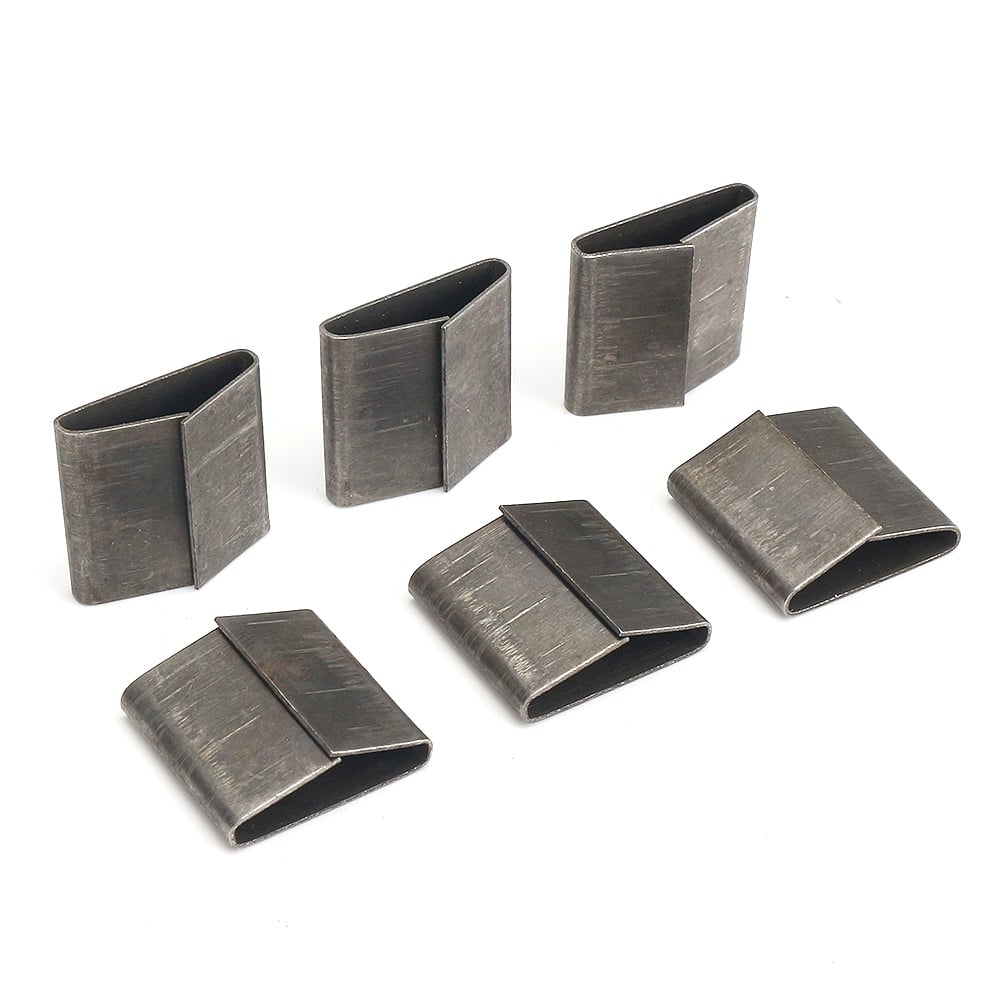
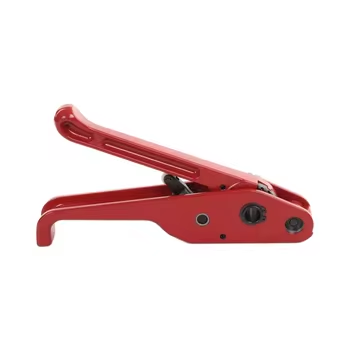
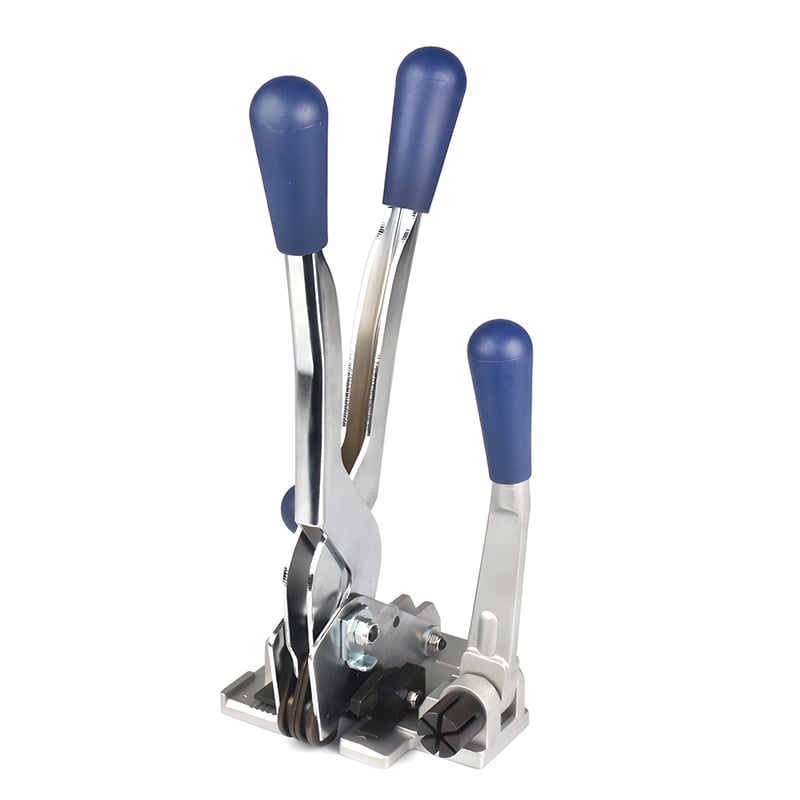
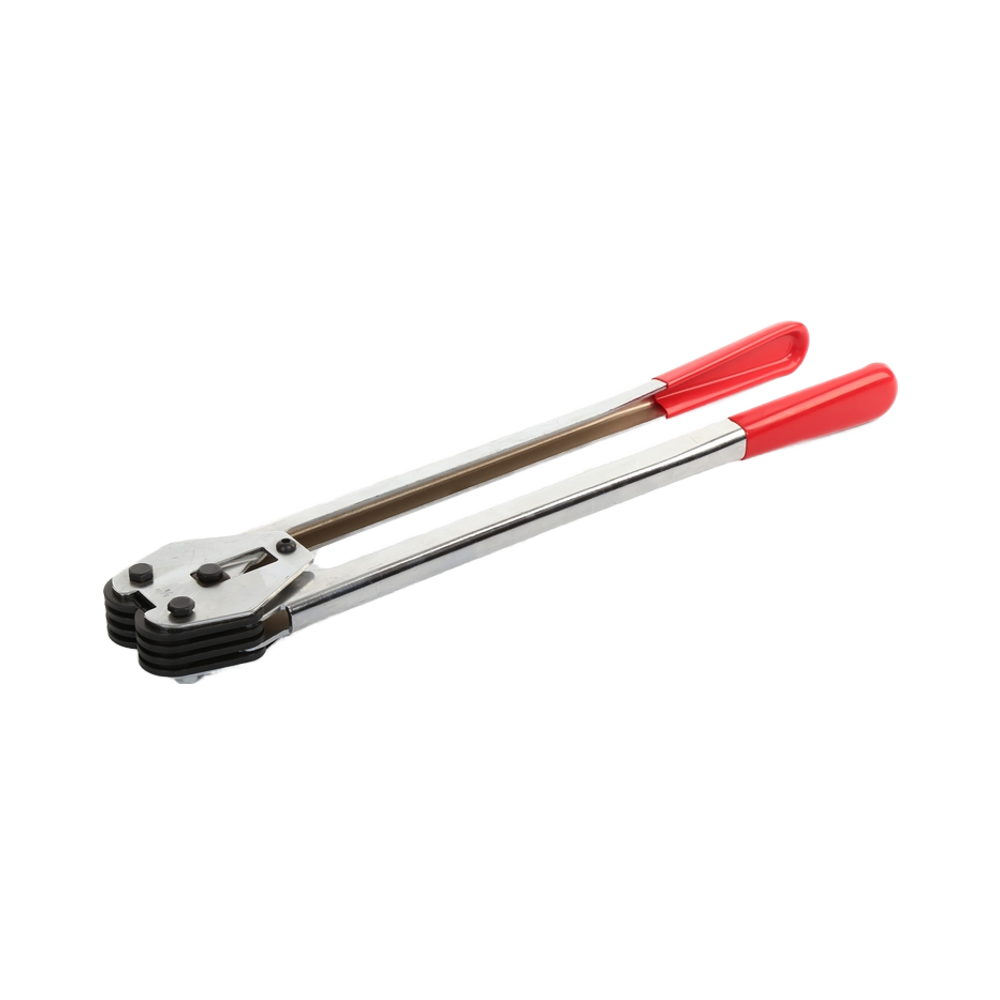
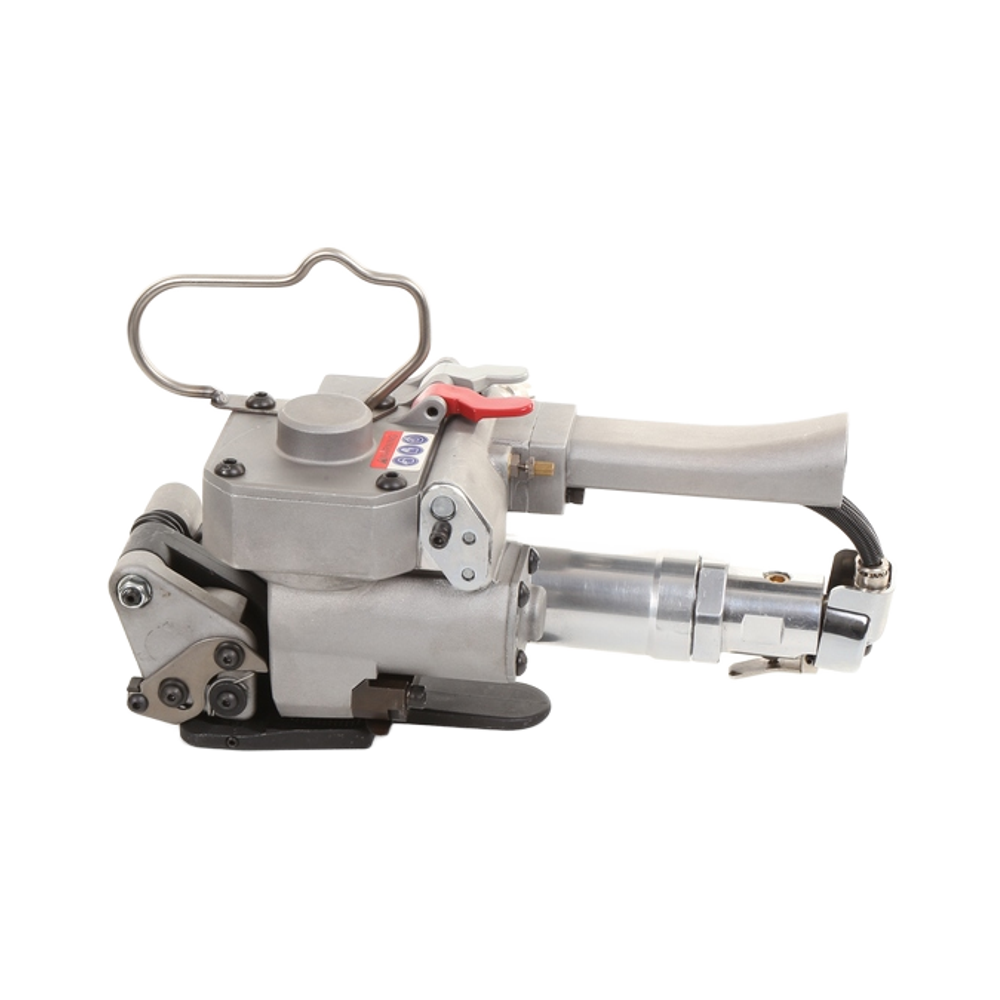
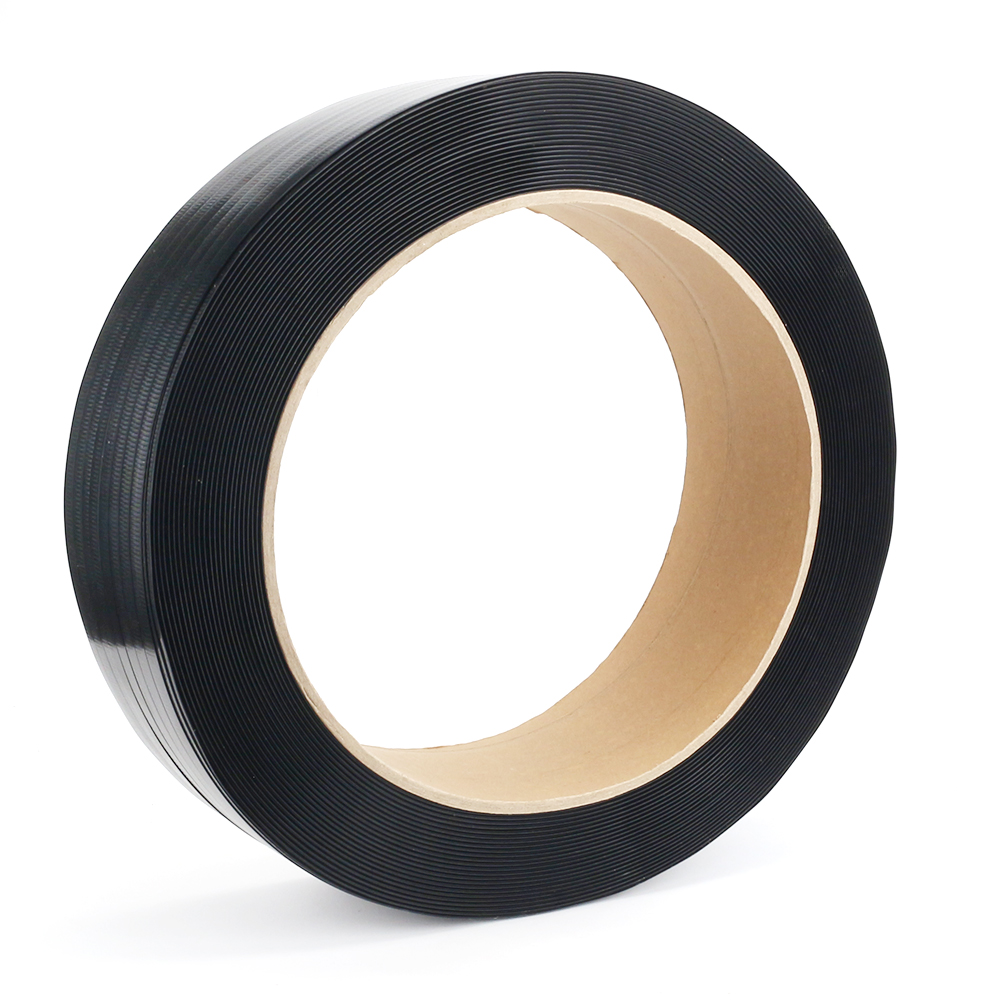
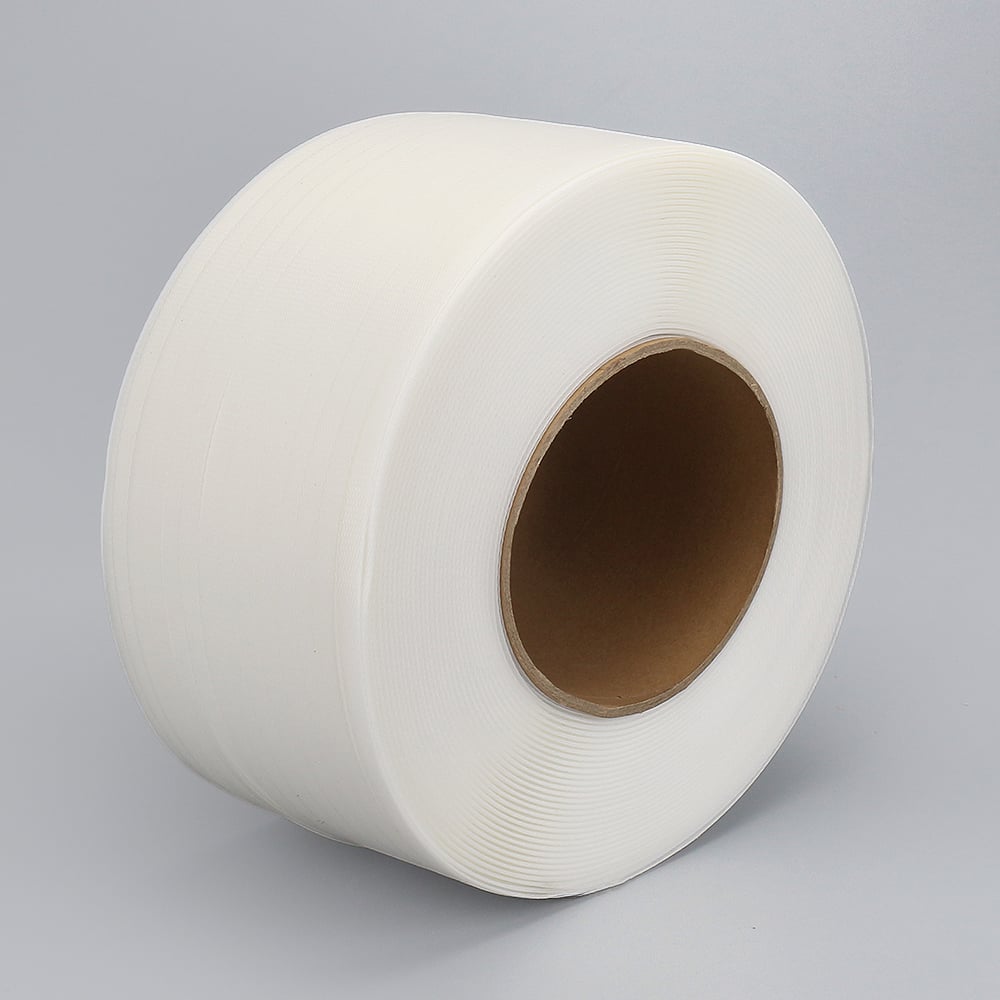
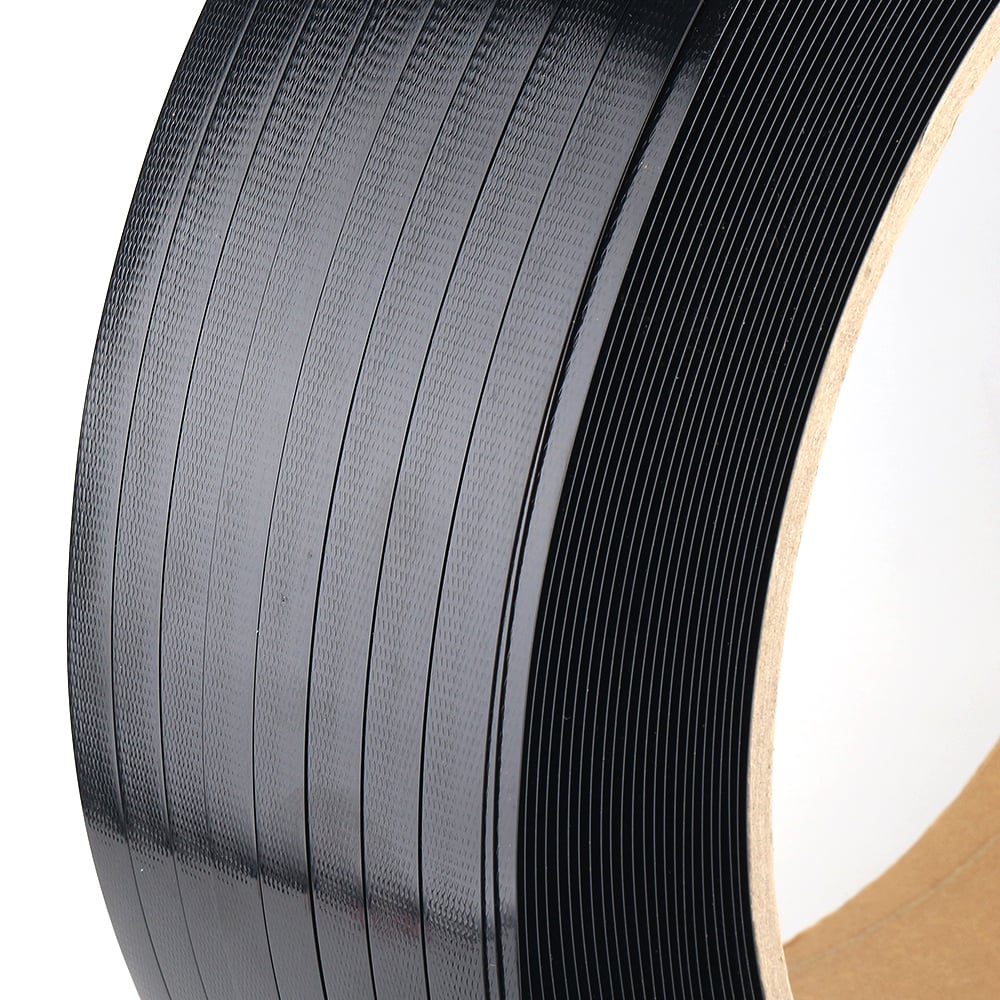
Key Specifications to Evaluate in Polyester Strapping Tape
When evaluating strapping tape dispenser, several key specifications should be considered: Thickness: The thickness of the tape is directly related to its strength. Thicker tapes can withstand more tension and are generally better for heavier loads. Width: The width of the strapping tape affects its holding power. A wider tape distributes stress over a larger area, which can be beneficial for securing bulky items. Breaking Strength: This specification indicates the maximum load the tape can handle before breaking. It's essential to choose a tape with a breaking strength that exceeds the weight of the items being strapped. Elongation: This measures how much the tape can stretch before it breaks. While some elongation is necessary for absorbing shock during transportation, excessive elongation can lead to loosening of the strap. Material Composition: Polyester strapping is made from either PET or PP. PET is generally more robust and suitable for heavier applications, while PP is lighter and often used for lighter loads. Understanding these key specifications will help you select a polyester strapping tape that meets your operational needs, ensuring that your goods are securely transported.