 EN
EN
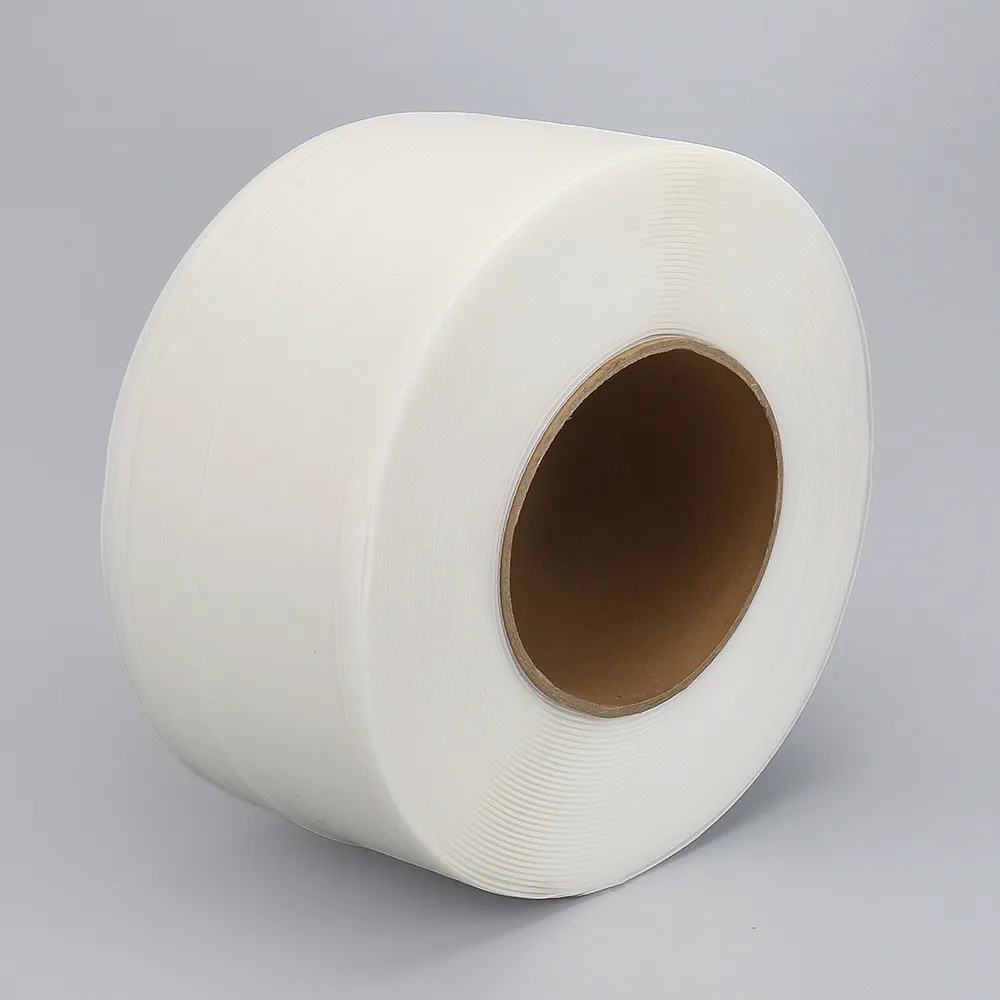
Polypropylene strapping tape is an essential product in the manufacturing and shipping industries, used to secure various goods during transit. As a B2B buyer, understanding the nuances of polypropylene strapping tape, including its specifications, applications, and cost factors, can significantly impact your purchasing decisions. This article will guide you through a comprehensive overview of polypropylene strapping tape, addressing critical buyer concerns and providing practical insights for effective procurement.
Applications of Polypropylene Strapping Tape in Various Industries
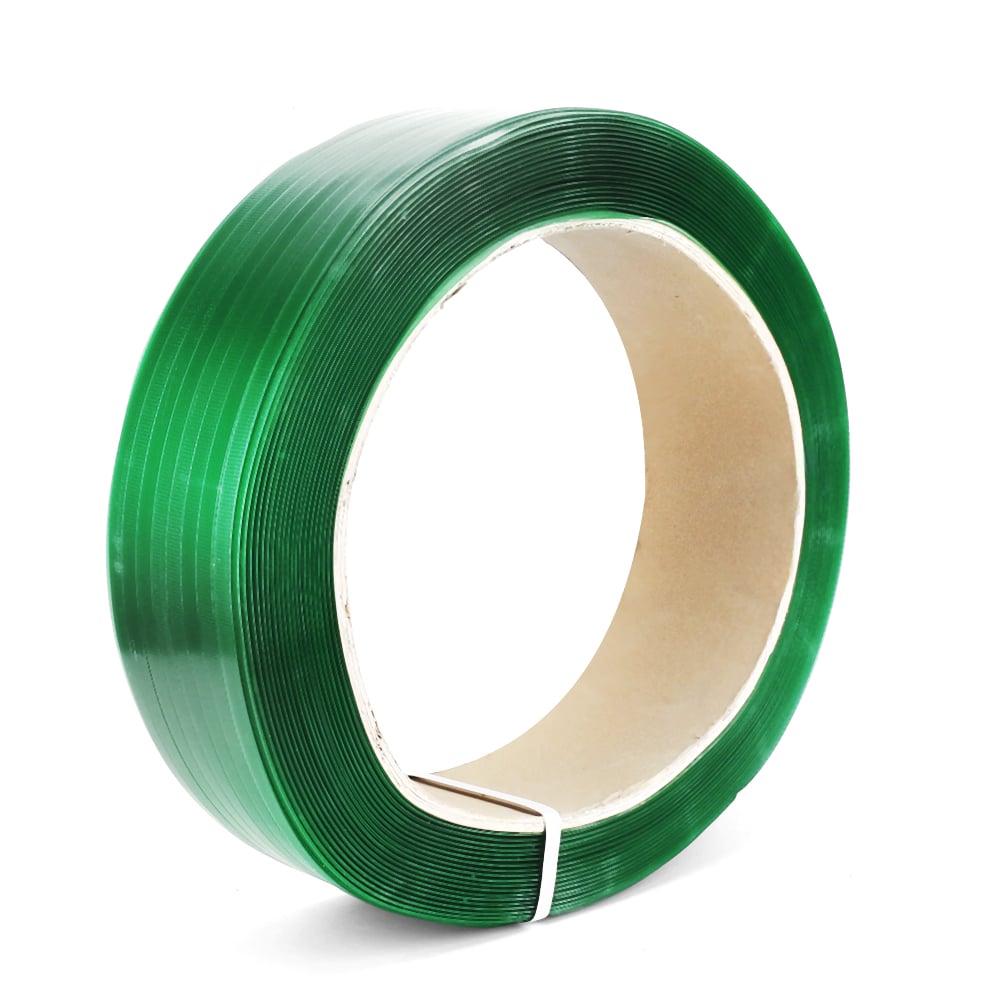
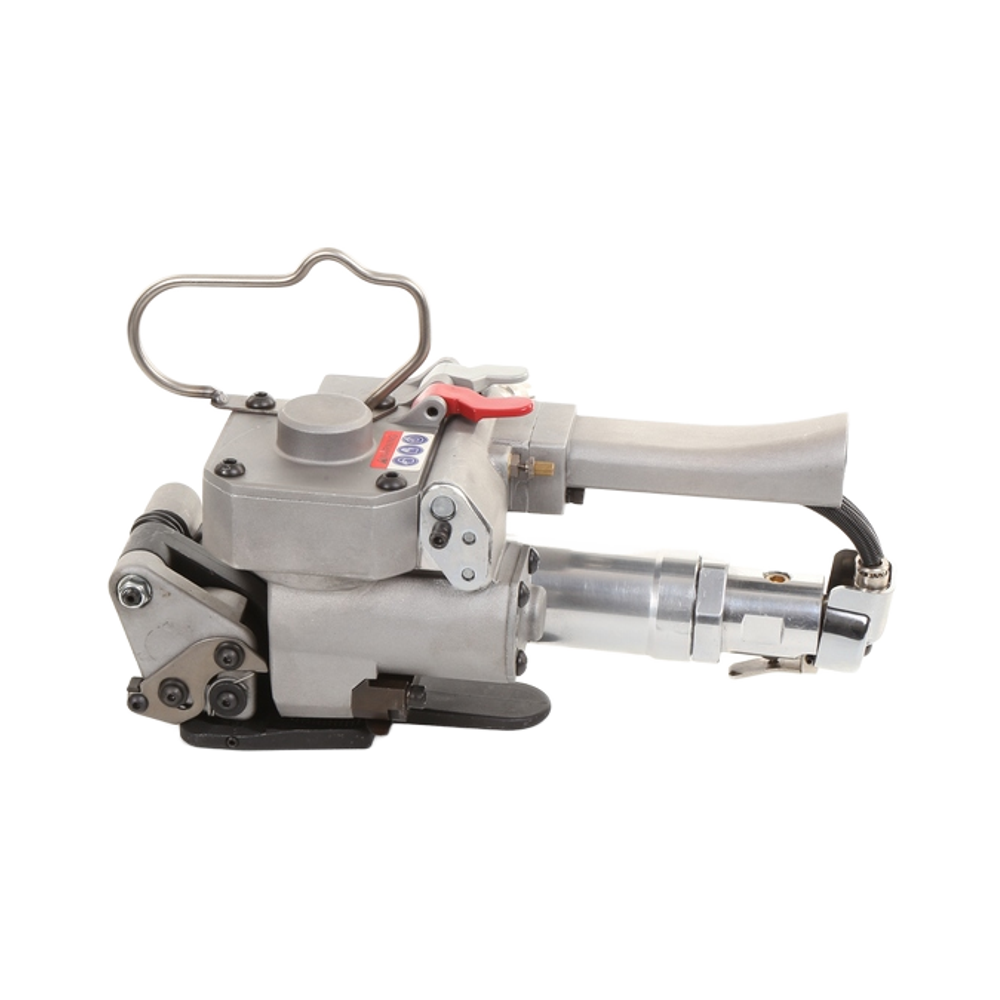
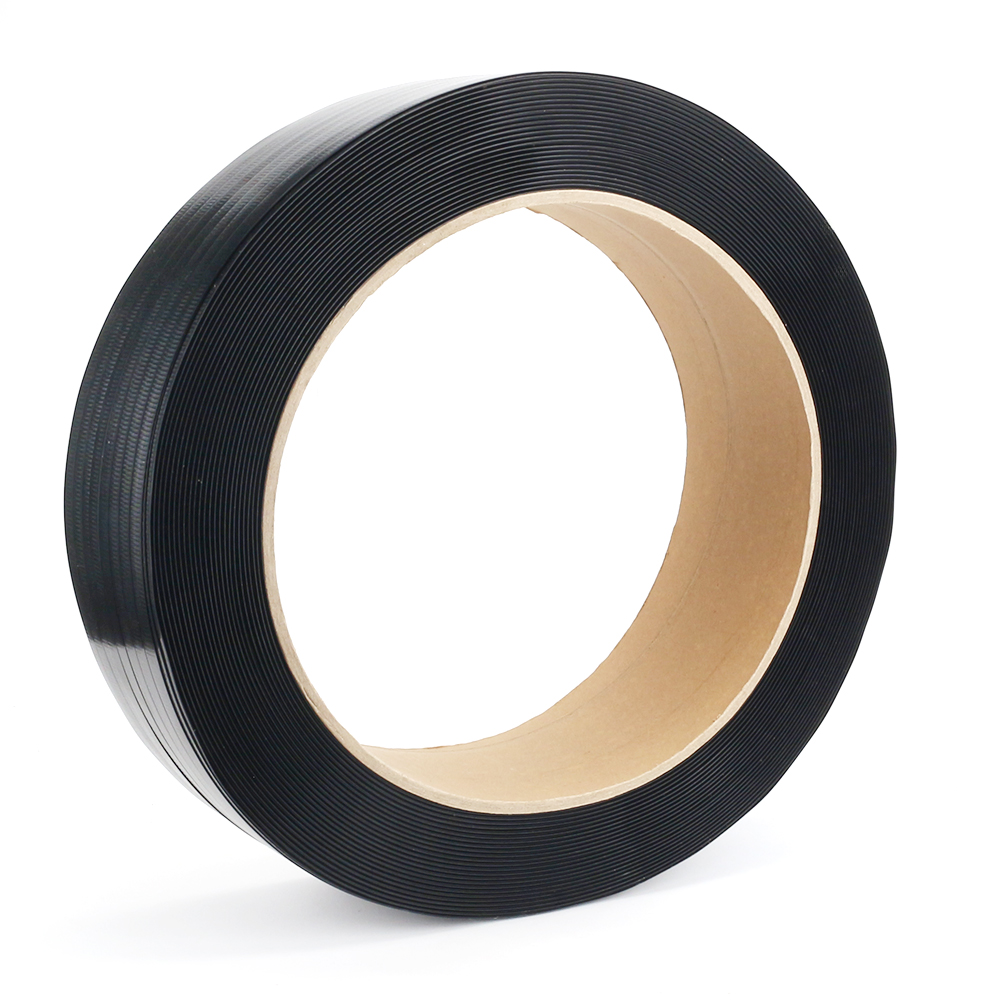
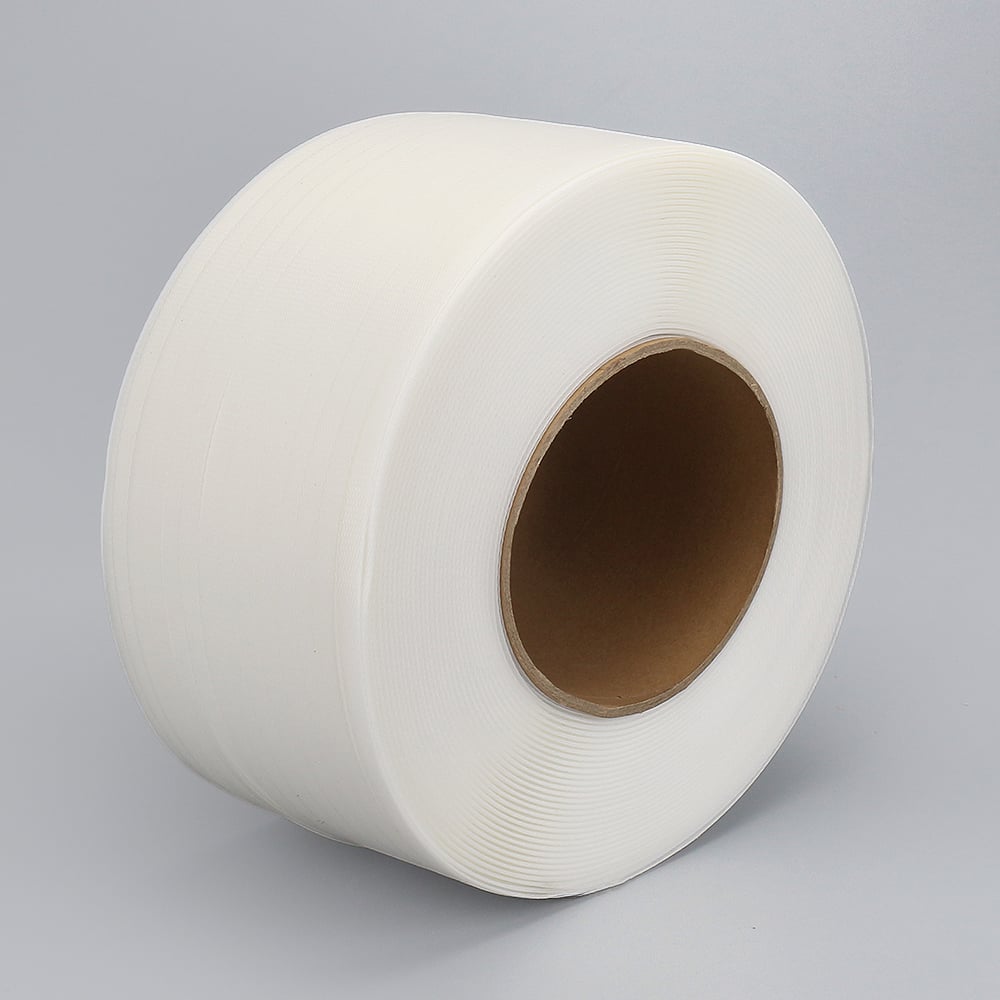
Polypropylene strapping tape finds applications across numerous industries, primarily due to its versatility and strength. In the packaging sector, it is commonly used to bundle products, secure boxes, and stabilize pallets for shipping. The tape's resistance to moisture makes it an ideal choice for outdoor storage and transport. In the construction industry, strapping machine tape is employed to secure building materials and tools, ensuring they remain intact during transportation. Its lightweight nature, combined with high tensile strength, allows for efficient handling and reduced shipping costs. Additionally, this type of strapping tape is valuable in the automotive and electronics sectors, where it is used to package components securely. Its ability to withstand various environmental conditions while maintaining integrity makes it a preferred choice for manufacturers looking for reliable packaging solutions.