
 EN
EN
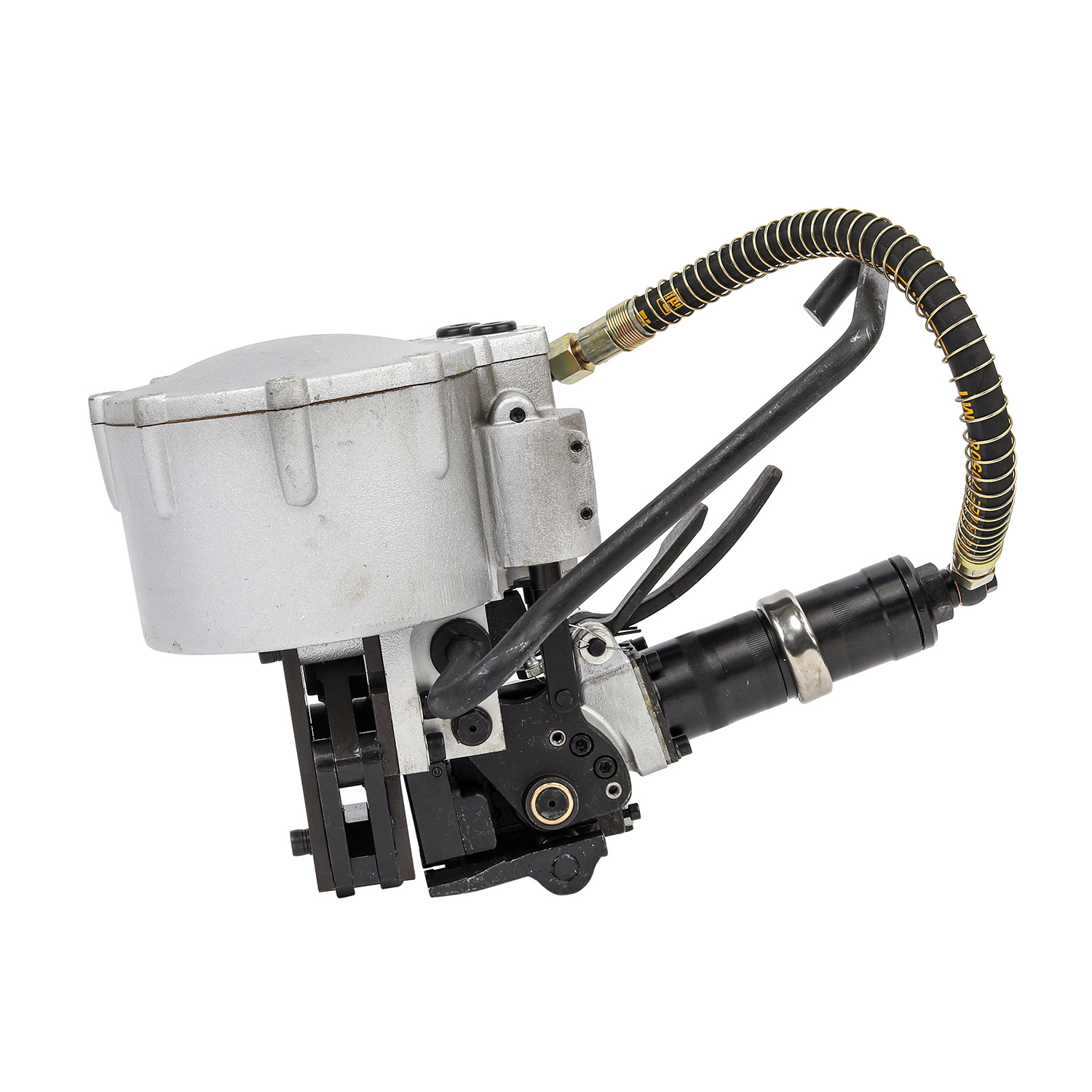
The automated PET strapping tool is revolutionizing the packaging industry by providing efficient, reliable solutions for securing goods during transit. As a key component in supply chain logistics, these automated PET strapping tools address common buyer concerns such as durability, performance, and installation challenges. This article will explore the game-changing impact of automated pet strapping tools, providing insights into specifications, sourcing automated PET strapping tools, quality control measures, installation challenges, and wholesale options to help you make informed purchasing decisions.
Key Specifications for Reliable Automated PET Strapping Tools
When considering automated PET strapping tools, several key specifications are crucial for ensuring reliable performance. The first is the strapping material itself. PET strapping is favored for its high tensile strength and resistance to UV exposure, making it suitable for various applications, including palletizing and bundling. The thickness of the strap typically ranges from 9mm to 19mm, with the width and length varying based on the specific application requirements.
Another critical specification is the tool's feed rate, which affects the speed of operation. High feed rates can significantly enhance productivity, particularly in high-volume environments. Additionally, the tool's sealing method whether it uses heat, friction, or buckle can influence the strength of the bond created during the strapping process. Buyers should verify that the sealing method aligns with their specific needs, as it impacts both the integrity of the package and the efficiency of the operation.
Lastly, consider the tool's adaptability to different strap sizes and its compatibility with existing machinery. The ability to easily switch between different strap widths and types can greatly enhance operational flexibility, allowing businesses to respond quickly to changing demands.
Where to Find Trusted Suppliers of Automated PET Strapping Tools?
Finding a reputable supplier for automated PET strapping tools involves several steps. Start by researching manufacturers with a proven track record in the industry, focusing on those that specialize in strap solutions. Look for companies that prioritize quality and have robust quality control processes in place, as this can significantly influence product reliability.
Trade shows and industry exhibitions are excellent venues for meeting suppliers and evaluating their products firsthand. Engaging with suppliers directly allows buyers to ask specific questions about the tools, including their manufacturing processes, material sourcing, and customization options. Online platforms and industry directories can also provide valuable insights into suppliers’ reputations through customer reviews and ratings.
When evaluating suppliers, consider their capacity to meet your specific needs, including minimum order quantities (MOQs), lead times, and after-sales support. Establishing a relationship with a supplier who understands your business's unique requirements can lead to better service and support in the long run.
Quality Control Measures in Automated PET Strapping Tool Manufacturing
Quality control is paramount in the manufacturing of automated PET strapping tools. Reliable suppliers implement strict quality assurance protocols throughout the production process to ensure consistency and performance. This includes the use of high-quality raw materials—such as recycled bottle flakes in the case of PET strapping bands which must be tested to meet specific standards before production begins.
During manufacturing, regular inspections are conducted at various stages, from raw material sourcing to finished product testing. These inspections may include tests for tensile strength, elongation, and resistance to environmental factors such as moisture and UV exposure. Such rigorous testing ensures that the final product meets the required specifications and is capable of performing well in demanding applications.
Additionally, certifications from recognized industry bodies can serve as indicators of a manufacturer's commitment to quality. Buyers should inquire about any certifications related to manufacturing processes, materials used, and environmental standards, as these can provide additional assurance of product reliability.
Common Installation Challenges with Automated PET Strapping Tools
While automated PET strapping tools offer significant advantages, installation can pose challenges that buyers should be aware of. One common issue is ensuring proper alignment of the tool with the packaging line. Misalignment can lead to inconsistent strapping and increased downtime for adjustments. It’s essential to conduct thorough pre-installation assessments to confirm that the tool will integrate seamlessly with existing systems.
Another challenge arises from variations in strap thickness and material. Not all automated tools are compatible with every strap type, so it’s critical to verify compatibility before purchase. Buyers should consult with suppliers to understand which tools are suitable for their specific strap requirements.
Finally, training is often overlooked during installation. Providing adequate training for staff on the operation and maintenance of the strapping tools can significantly reduce the risk of user error and enhance overall efficiency. Buyers should work with suppliers to ensure that comprehensive training resources are available.
Sourcing Automated PET Strapping Tools Wholesale
Sourcing automated PET strapping tools wholesale can provide significant cost savings, especially for businesses that require large quantities. When purchasing wholesale, it’s important to consider not just the price but also the quality and reliability of the products. Establishing a relationship with a trusted supplier who offers competitive pricing and consistent quality is essential for long-term success.
When requesting quotes, ensure you provide detailed information about your specific requirements, including the desired strap dimensions, material preferences, and any customization needs. This will help suppliers provide accurate pricing and lead time estimates.
Additionally, consider logistics and shipping factors when sourcing wholesale. The location of the supplier can affect shipping costs and delivery times, so it may be beneficial to work with suppliers who have facilities closer to your operation. Understanding the supplier's production capacity and lead times will also help in planning your inventory effectively.
the game-changing impact of automated PET strapping tools is evident in their ability to enhance efficiency and reliability in packaging processes. By understanding the key specifications, sourcing best practices, and potential challenges, B2B buyers can make informed decisions that align with their operational needs.
Table of Contents
- Key Specifications for Reliable Automated PET Strapping Tools
- Where to Find Trusted Suppliers of Automated PET Strapping Tools?
- Quality Control Measures in Automated PET Strapping Tool Manufacturing
- Common Installation Challenges with Automated PET Strapping Tools
- Sourcing Automated PET Strapping Tools Wholesale