
 EN
EN
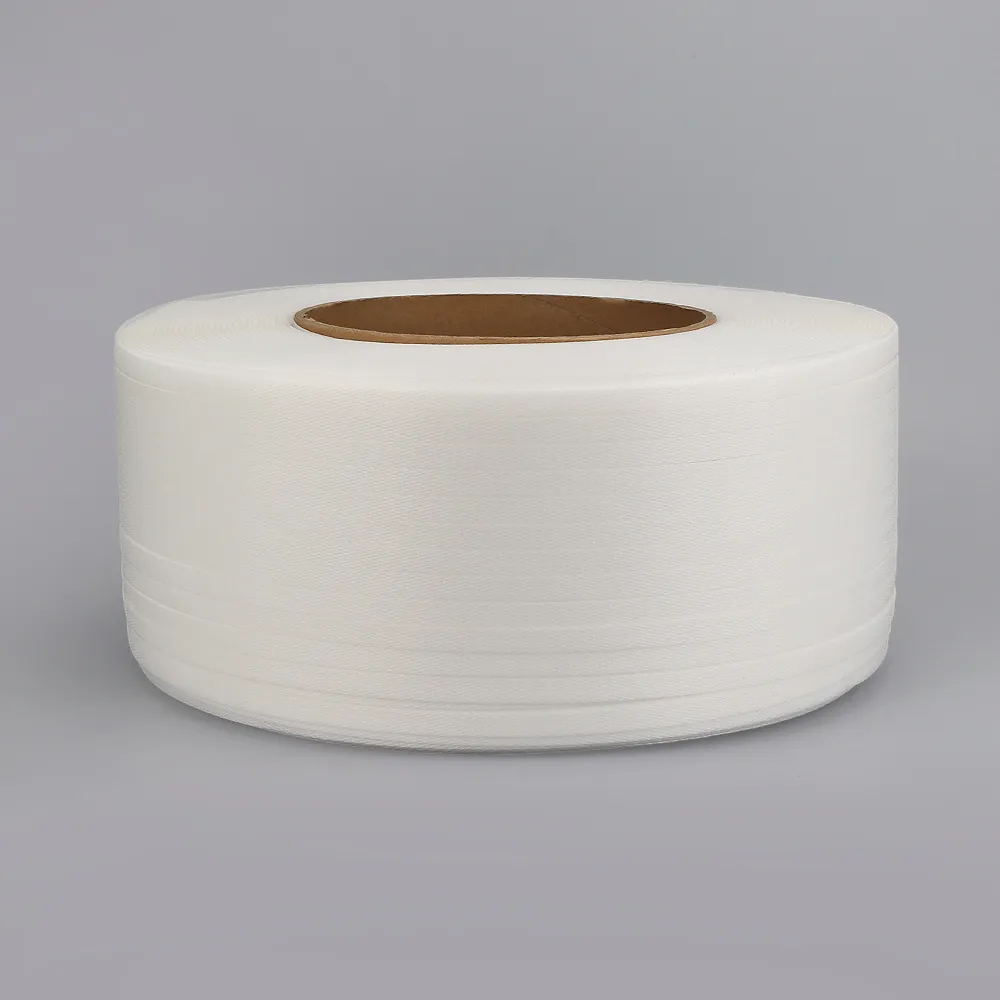
Machine-grade polypropylene (PP) strapping is a critical component in modern packaging operations, particularly in manufacturing and logistics. By implementing machine-grade PP strapping, companies can significantly slash their operational costs while enhancing the security of their products during shipping and storage. This article will explore how machine-grade PP strapping can help reduce your costs, the essential specifications to consider when selecting this product, the key features to look for, effective installation guidance, and solutions to common strapping problems.
How Machine-Grade PP Strapping Reduces Your Operational Costs?
One of the primary advantages of machine-grade PP strapping is its cost-effectiveness. By utilizing recycled bottle flakes, Enjoy Packaging manufactures durable strapping that provides reliable performance without compromising quality. Machine-grade PP strapping is lighter than steel strapping, reducing shipping costs and making it easier to handle. Moreover, its tensile strength allows for more efficient bundling of products, minimizing the risk of damage during transit. This not only reduces the costs machine-grade PP strapping associated with product loss but also lowers the need for excess packing materials. With a consistent quality inspection process in place during production, companies can trust that the pp strapping band will perform reliably, leading to decreased downtime and operational inefficiencies.
Key Specifications for Choosing Machine-Grade PP Strapping
When selecting machine-grade PP strapping, several specifications are essential to consider:
Thickness: The thickness of the strapping affects its strength and load capacity. Thicker straps can handle heavier loads but may require more robust machinery for application.
Width: The width of the strap is crucial for compatibility with strapping machines. A wider strap may distribute weight more evenly, which is vital for securing heavy packages.
Tensile Strength: This specification indicates how much force the tensile strength strap can withstand before breaking. It is critical to match the tensile strength with the weight of the products being secured.
Elongation: The amount the pp strapping belt can stretch before reaching its breaking point affects how well it can secure packages without snapping.
Surface Treatment: Different surface treatments can enhance the machine-grade PP strapping strap's resistance to moisture, UV light, and chemicals, which is particularly important for products that are stored in harsh environments.
Understanding these specifications will help buyers select the appropriate strapping for their specific applications and ensure optimal performance.
What to Look for in PP Strapping Products?
When evaluating PP strapping products, consider the following factors:
Quality of Raw Materials: Ensure that the strapping is made from high-quality recycled materials, as this directly impacts durability and performance.
Manufacturing Process: Look for manufacturers that employ advanced production lines and rigorous quality control measures. This ensures consistency in product quality and reduces the likelihood of defects.
Compatibility with Equipment: Verify that the strapping is compatible with your existing strapping machines. Some strapping may require specific equipment for optimal application.
Customization Options: Depending on the specific needs of your operation, inquire about customization capabilities. This could include options for color, printing, or specific dimensions.
Certifications: While not all manufacturers have certifications, those that do can provide assurances regarding their quality management systems and environmental impact.
By carefully considering these factors, buyers can make informed decisions that lead to better performance and cost savings.
Installation Guidance for Effective Use of PP Strapping Bands
Proper installation of machine-grade PP strapping is crucial to ensure its effectiveness. Here are some essential tips for effective use:
Adjust Equipment Settings: Before starting, ensure that your strapping machine is properly calibrated to the specifications of the PP strapping being used. This includes adjusting tension settings to match the tensile strength of the strap.
Bundle Items Securely: When bundling items, ensure they are tightly packed to prevent movement during transit. A well-structured bundle will reduce the risk of damage and improve overall stability.
Monitor Tension: Applying the correct tension is vital. Too much tension can cause the strap to snap, while too little can lead to loose bundles. Always test a few samples before finalizing the settings.
Use Proper Sealing Techniques: Depending on the type of seals (heat seal, friction seal, or buckle) being used, ensure that the sealing process is consistent to avoid weak points in the strapping.
Regular Maintenance: Conduct regular maintenance on pp strapping tape equipment to prevent malfunctions that could lead to inefficient strapping or product damage.
By following these guidelines, companies can maximize the effectiveness of their PP strapping and minimize the risk of operational issues.
Common Problems with Strapping and Their Practical Solutions
Despite its advantages, users of machine-grade PP strapping may encounter several common issues. Here are practical solutions:
Strap Breakage: If straps frequently break, check the tensile strength specifications and ensure the proper width and thickness are being used for the load. Consider conducting tests with different materials to find the optimal fit.
Loose Bundles: If bundles are coming loose, adjust the tension settings on the strapping equipment. It’s also important to ensure that the items being strapped are packed tightly together.
Surface Damage: If the strapping is causing damage to the products, consider using wider straps or those with a smoother finish. Additionally, adding protective corner boards can help distribute pressure.
Compatibility Issues: If the strapping frequently jams in the machine, double-check the specifications for compatibility. Investing in a strapping machine that supports various strap sizes may be a worthwhile consideration.
Environmental Factors: Exposure to moisture or extreme temperatures can weaken strapping. Ensure that the selected PP strapping is suitable for the machine-grade PP strapping specific environmental conditions of your storage and shipping operations.
Addressing these common issues proactively can lead to improved efficiency and reduced costs in your packaging operations. By understanding the nuances of machine-grade PP strapping, companies can make informed decisions that tensile strength enhance operational efficiency and reduce costs. This comprehensive knowledge allows buyers to evaluate their options effectively, ensuring they receive the best possible strapping solutions for their needs.