
 EN
EN
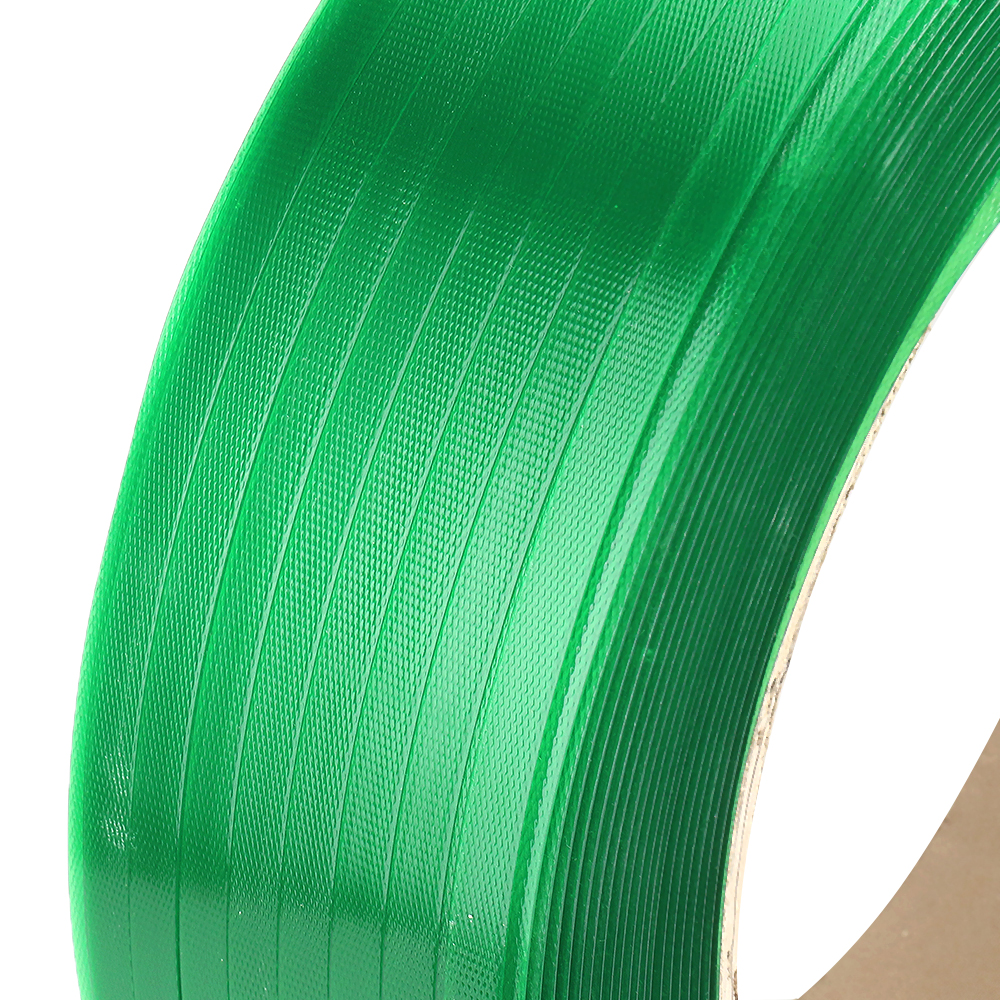
Understanding the common causes of PET strap breakage on automated lines is essential for ensuring efficient operations and minimizing downtime. As a B2B buyer, your primary concerns likely revolve around the reliability and performance of your strapping solutions, as well as the associated costs of replacements and maintenance. This article will delve into the typical problems that lead to PET strap breakage, specifications to consider for reliable products, sourcing options, installation tips, and technical insights into strap failures to help you make informed purchasing decisions.
Common Problems Leading to PET Strap Breakage in Automated Lines
Various factors can contribute to PET strap breakage on automated lines, often stemming from improper setup or material selection. One common issue is incorrect tensioning. If the strap is too tight, it can lead to excessive stress and subsequent breakage during the packaging process. Conversely, if the strap is too loose, it may not secure the load properly, leading to shifting and potential damage.
Another prevalent problem is the compatibility of the pet strapping tool with the sealing equipment used. Straps that do not meet the specifications of the sealer can result in weak seals, increasing the risk of breakage. Additionally, environmental conditions such as humidity and temperature fluctuations can affect the integrity of the strap, causing it to become brittle or stretch beyond its limits.
Regular maintenance and inspection of your automated systems can help identify these issues early on, reducing the risk of strap failures during operation.
Understanding the Specifications of Reliable PET Strapping Solutions
When evaluating PET strapping solutions, several specifications are critical to ensure reliability and performance. Key factors include thickness, width, and tensile strength.
Thickness affects the strap's load-bearing capacity and its ability to withstand external forces during transport. A thicker strap may offer enhanced durability, but it is essential to balance thickness with the requirements of your packaging machinery to avoid compatibility issues.
Width is also crucial. A wider strap typically distributes pressure more evenly across the packaged goods, reducing the chance of breakage due to localized stress points.
Tensile strength indicates how much force the strap can withstand before breaking. This is particularly important for high-load applications. Buyers should ensure that the tensile strength of the chosen strap meets or exceeds the maximum load requirements of their application.
Understanding these specifications allows buyers to select PET straps that align with their operational needs, thereby reducing the risk of breakage.
Where to Source Durable PET Straps for Wholesale and Bulk Orders
Sourcing high-quality PET straps is vital for ensuring operational efficiency. Buyers should consider manufacturers that specialize in producing strapping solutions from premium materials, like recycled bottle flakes, which enhance both sustainability and performance. Companies with advanced production lines and rigorous quality control processes can offer more reliable products.
When looking for suppliers, prioritize those who can provide detailed product specifications, sample approvals, and customization options. Engaging with a manufacturer that understands your industry’s specific requirements will ensure that the straps are tailored to your operational needs. It’s also beneficial to explore suppliers who have experience in your application industry, as they will better understand the challenges you face and how to address them.
Installation Tips to Prevent PET Strap Breakage During Operations
Proper installation of PET straps is crucial to minimizing breakage. Here are some practical tips to ensure effective installation:
Adjust Tension Settings: Ensure the tension settings on your strapping machine are calibrated correctly for the specific pet strap company being used. Over-tightening can lead to breakage, while under-tightening can compromise load security.
Align the Strap: Make sure the strap is aligned correctly within the sealing mechanism. Misalignment can cause uneven pressure and lead to weak seals that are more likely to break.
Maintain Equipment: Regular maintenance of strapping machines is essential. Check for wear and tear on sealing components and ensure they are functioning correctly to prevent issues during operation.
Conduct Regular Training: Educate staff on best practices for strapping procedures. Knowledgeable operators will be more adept at recognizing potential problems before they lead to strap failures.
By implementing these installation tips, you can enhance the performance of your PET straps and reduce the likelihood of breakage during operations.
Technical Insights into Common Causes of PET Strap Failures
Understanding the technical aspects of PET strap failures can help buyers make informed decisions. Common causes include:
Material Defects: Variations in the production process can lead to inconsistencies in material quality. Always request product samples to check for visual defects, such as bubbles or inconsistencies in thickness.
Environmental Conditions: Exposure to extreme temperatures or moisture can weaken PET straps. Buyers should consider the storage and shipping conditions of the straps to ensure they remain intact until use.
Improper Handling: Straps that are mishandled during transit or storage may develop kinks or abrasions that weaken them. Implementing proper handling procedures can mitigate this risk.
Incompatibility with Other Materials: If the PET strap is used alongside other materials, ensure compatibility to prevent chemical reactions that could lead to strap failure.
By taking these technical insights into account, purchasing managers can better evaluate potential suppliers and their products, ensuring they choose reliable pet strap tensioner solutions that will perform consistently in their operations.
Table of Contents
- Common Problems Leading to PET Strap Breakage in Automated Lines
- Understanding the Specifications of Reliable PET Strapping Solutions
- Where to Source Durable PET Straps for Wholesale and Bulk Orders
- Installation Tips to Prevent PET Strap Breakage During Operations
- Technical Insights into Common Causes of PET Strap Failures