Choosing the Right Pallet Strapping Supplies

Contact me immediately if you encounter problems!

All Categories

pallet strapping supplies

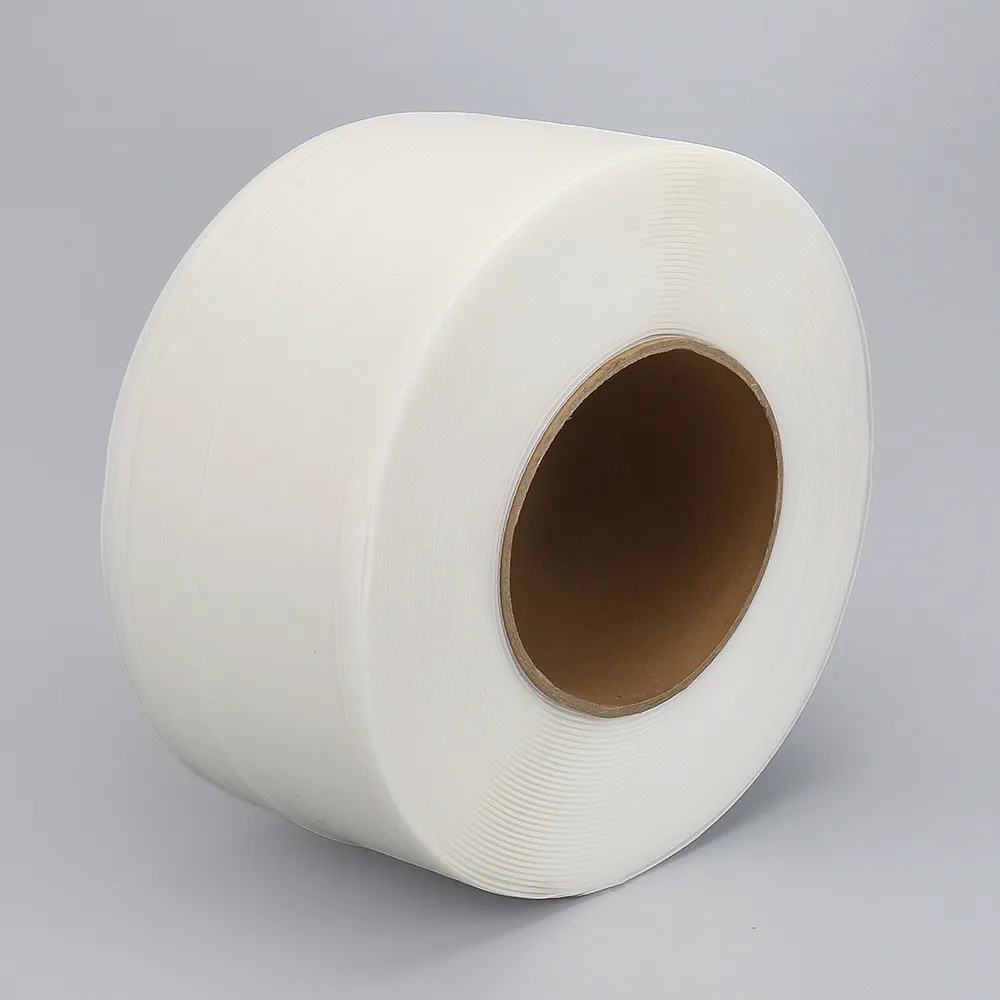
Pallet strapping supplies are essential  for securing goods during transit, ensuring that products arrive intact and  undamaged.  In  the B2B  sector, purchasing  managers, distributors, and engineers  often face challenges  in selecting the right  strapping solutions  that  meet their operational  needs. This article  provides valuable insights into choosing the right  pallet strapping  supplies, evaluating  their quality, and  addressing  common issues  that may arise during their use.


Key Specifications to Consider for Pallet Strapping Materials

When evaluating pallet strapping supplies, several key specifications should be on your  checklist:

Tensile Strength: This specification indicates the maximum load the strapping can handle before breaking.  It’s essential to choose a strapping  material that can withstand the weight of your  products during transit.

Thickness and Width: The thickness of the strap affects its  strength and flexibility. Thicker straps are generally stronger  but may  require specific equipment for application. The width may also influence how well the strapping secures the load.

Material  Type: As mentioned, PP  and PET are the most common materials used for  strapping. Understanding their properties—such as elongation, resistance  to chemicals, and temperature tolerance—is critical for selecting the right  product for  your needs.


Sealing  Method:  Different strapping supplies can be sealed using various methods, including heat sealing,  friction welding, or metal seals. The sealing method can impact the overall security of the load during shipping.

Compliance and Certifications: Depending on  your industry, you may  need strapping materials that meet specific safety standards or  certifications. Always verify that the products comply with the relevant regulations in your market.
How to Evaluate the Quality of Pallet Strapping Products

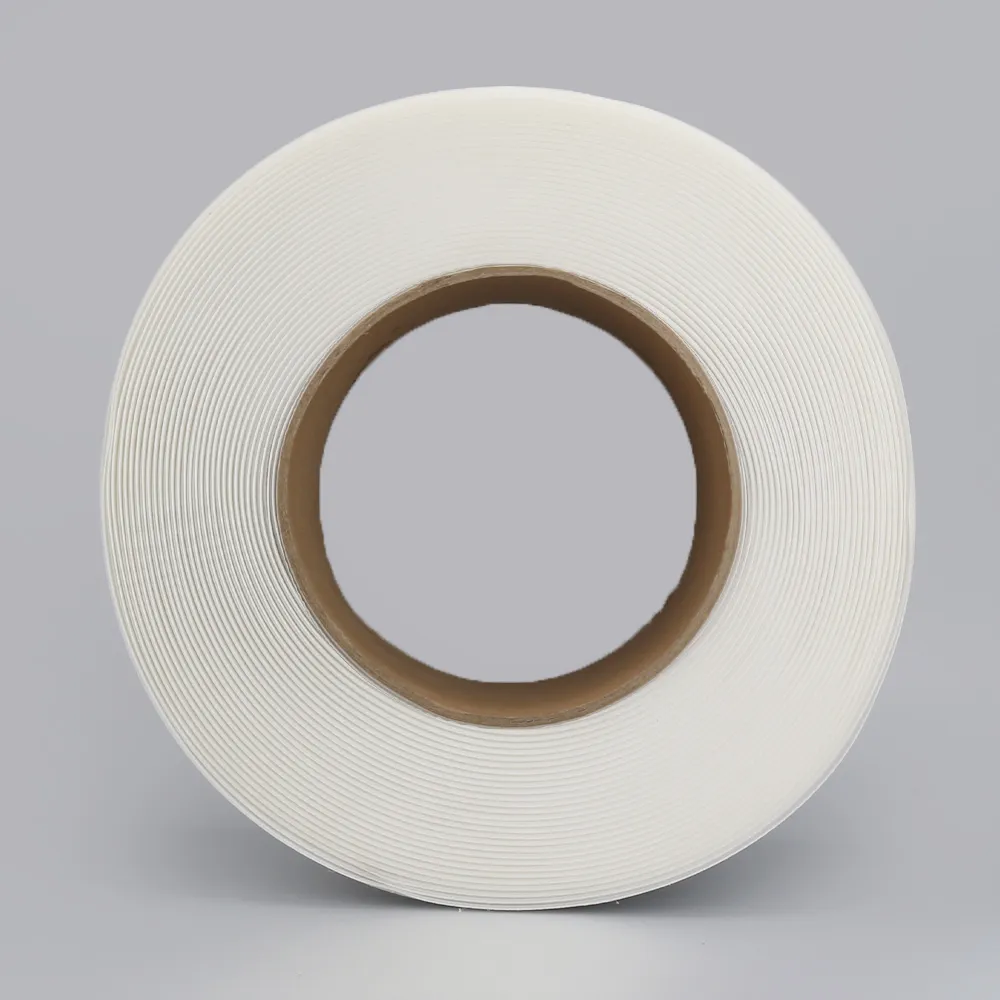
Quality evaluation is a key  step in ensuring that you purchase reliable pallet strapping supplies. Here are some  practical tips:


Conduct Sample  Testing: Before  committing to a bulk  order, request samples to test their performance under your specific  conditions. Pay attention to how the strap performs when applied and during  load handling.


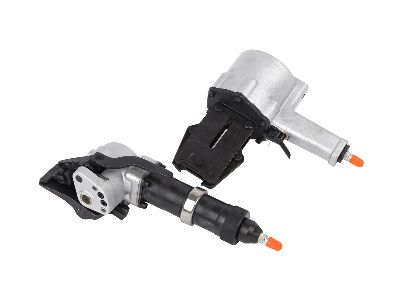
Inspect  Manufacturing Processes: Choose suppliers who have  stringent quality  control  processes  in place. At Enjoy Packaging, for instance, advanced production lines  and continuous inspection ensure consistent quality. You can also explore options like the Pneumatic PP/PET strapping Tool which offers efficiency in manufacturing.

Review  Certifications: Verify any quality certifications that the supplier holds. This can be an indicator of their commitment to producing high-quality materials.

Seek Customer Feedback: Reach out to other companies who have used  the strapping supplies you are considering. Their experiences can provide valuable insights  into  the product’s reliability and performance.


Common Problems with Pallet Strapping and Their Solutions

Even the  best pallet strapping supplies can encounter  issues. Here are some common problems and suggested solutions:

Slippage: If the strapping slips during transport, it can lead to product  damage. To  prevent this, ensure  that the strapping is of appropriate width and thickness for  the load.  Additionally,  consider using friction weld  seals for better grip.

Breakage: Strapping may break if it is not suitable for the load weight or if it has been exposed to extreme temperatures. Always select strapping materials that are rated for  your specific  load requirements and environmental conditions.

Improper Sealing: An inadequate seal can compromise the  integrity  of the strapping. Make sure  your sealing method is  compatible with the chosen strapping material. Conduct tests to confirm the effectiveness  of the seal.

Corrosion and Environmental Damage: For loads exposed to moisture, using PP strapping may lead  to degradation over  time. Opt for PET strapping in such cases,  as it offers better  resistance to environmental factors.

Maximizing Value with Pallet Strapping Supplies

To maximize the value  of your pallet strapping supplies, consider the following strategies:

Bulk Purchasing: When you identify  a reliable supplier and have a clear understanding of your needs, consider  ordering  in bulk. This can often lead to cost  savings per unit.

Regular Supplier Evaluation:  Continually assess your suppliers based on their quality, reliability, and customer service. Building a strong relationship with your supplier can  lead to better pricing and support.


Custom Solutions: If  your operations have unique requirements, consider discussing  customization  options with your supplier. Enjoy Packaging, for example,  can tailor  strapping solutions based on your specific needs.


Training and Best Practices: Educate your  team on the correct application and handling of strapping materials. Proper  training can reduce waste and enhance the effectiveness of your strapping processes.

By understanding the key  factors involved in selecting,  evaluating, and utilizing pallet strapping  supplies, you can ensure that your  products are secured effectively during transit, ultimately leading to improved operational efficiency and customer satisfaction.

Choosing the Right Pallet Strapping Supplies for Your Business Needs

Selecting the appropriate pallet strapping supplies involves understanding the specific requirements  of your operations.  Factors such as load weight,  type of product being secured,  and transportation conditions  play a crucial role in making the  right  choice. For instance, polypropylene (PP)  strapping is lightweight and ideal for lighter loads,  while polyester (PET) strapping offers higher tensile strength,  making it suitable for heavier items. Additionally, you might consider using a Green Color Polyester Strapping for its durability in various conditions.

Additionally, consider the  environment in which the strapping will be used. If  you are  shipping products that may be exposed to moisture or  outdoor conditions, PET strapping is  often preferred  due to its superior resistance to  UV light and  moisture. Furthermore, understanding your packaging machinery is vital; ensure the  strapping material is compatible with your  equipment to avoid operational disruptions.

Our Blog Posts

Lightweight PP Strap Ideal for Bundling Cardboard and Plastic Containers

23

Jun

Lightweight PP Strap Ideal for Bundling Cardboard and Plastic Containers

How is it possible that large cardboard boxes and plastic containers remain where they are – en route from one place to the next? The answer is a simple/obvious one, it is a product called and Lightweight PP strap. PP Strap — Used for Binding Ca...
View More
The True Cost of Inefficiency When Sourcing a Hand Strapping Solution

10

Sep

The True Cost of Inefficiency When Sourcing a Hand Strapping Solution

Understanding the true cost of inefficiency when sourcing a hand strapping solution is critical for businesses looking to optimize their packaging processes.  Hand strapping solutions play a vital role in securing goods during transit, and any i...
View More
Why PP Strap Loses Tension After Sealing

09

Sep

Why PP Strap Loses Tension After Sealing

Understanding why PP strap loses tension after sealing is crucial for ensuring the integrity of your packaged goods. As a B2B buyer, you may be concerned about product reliability, performance, and the impact of tension loss on your operations. This ...
View More

Get a Free Quote

Our representative will contact you soon.
Email
Name
Mobile/WhatsApp
Company Name
Message
0/1000
Choosing the Right Pallet Strapping Supplies

Get a Free Quote

Our representative will contact you soon.
Email
Name
Mobile/WhatsApp
Company Name
Message
0/1000