
 EN
EN
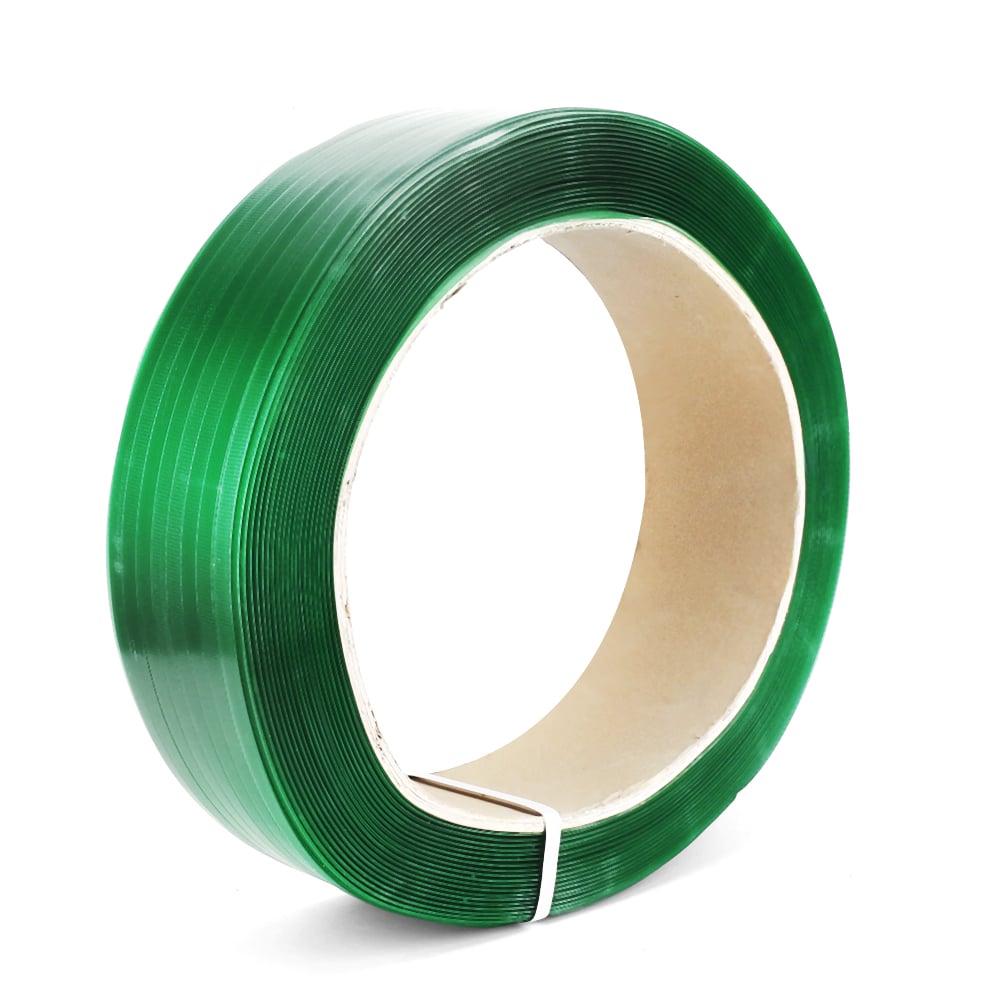
High-tensile PET strapping is essential for ensuring secure logistics in various industries. This robust material, made from recycled bottle flakes, offers superior strength and reliability for securing goods during transit. As B2B buyers, purchasing managers, and logistics coordinators, your main concerns revolve around load stability, durability, and the overall performance of your strapping solutions. This article will explore why high-tensile PET strapping is pivotal to secure logistics, addressing key aspects such as its secure logistics solutions benefits, effective installation tips, and how to evaluate its quality to meet your distribution needs.
Choosing High-Tensile PET Strapping for Secure Logistics Solutions
High-tensile PET strapping is engineered to withstand the rigors of transportation and handling, making it an ideal choice for securing loads. Its high tensile strength ensures that it can bear significant weight without breaking, which is crucial for maintaining the integrity of your shipments. Unlike steel strapping, which can be heavy and prone to rust, PET strapping is lightweight and resistant to moisture and chemicals, providing a versatile solution for various applications. When selecting PET strapping, consider the specific requirements of your logistics operations. Factors such as load weight, package dimensions, and PET strapping environmental conditions should guide your choice. For example, if you are shipping heavy pallets, opting for wider strapping can distribute the load more evenly, reducing the risk of slippage. Additionally, high-tensile pet strapping band can be customized in terms of dimensions and colors, allowing for brand identification while ensuring optimal performance.
How High-Tensile PET Strapping Enhances Load Stability During Transit?
The inherent properties of high-tensile PET strapping contribute significantly to load stability during transit. Its elasticity allows it to absorb shocks and vibrations, which is particularly beneficial in dynamic shipping environments. This characteristic helps prevent load shifting, which can lead to product damage. Furthermore, the consistent quality of high-tensile pet strapping, ensured through advanced production processes and rigorous quality control measures, translates into reliable performance. Another advantage is its compatibility with various sealing methods, including heat sealing and buckle systems, which further enhance load security. When properly applied, these methods can provide a tight grip, reducing the likelihood of loosening during transportation. For maximum effectiveness, it is advisable to conduct regular inspections and maintenance checks on the strapping equipment to ensure consistent tension and performance.
Where to Find Reliable Suppliers of High-Tensile PET Strapping?
Finding a trustworthy supplier of high-tensile PET strapping is essential for maintaining consistent quality in your logistics operations. Look for manufacturers that specialize in producing plastic strapping from recycled materials, as this often indicates a commitment to sustainability and quality. Research suppliers with a strong reputation in the industry, focusing on their manufacturing capabilities, quality control processes, and customer reviews.
Additionally, consider suppliers who offer customization options and technical support. A good supplier will not only provide the right product but also assist in selecting the PET strapping appropriate specifications based on your load stability unique requirements. Ensure that the supplier you choose has a proven track record of meeting delivery deadlines and maintaining product consistency, which is critical for uninterrupted logistics operations.
Installation Tips for Optimal Performance of PET Strapping
Proper installation of high-tensile PET strapping is vital to ensure its effectiveness in securing loads. Start by selecting the right strapping width and thickness based on the weight and nature of your cargo. When feeding the strapping through the tensioning tool, ensure it is free from twists or knots to avoid weak points. Utilize the appropriate sealing method for your application. Heat sealing is often preferred for its strength and durability, while buckle systems can offer flexibility for varying load sizes. After sealing, load stability check the tension of the strapping; it should be snug but not overly tight, as excessive tension can lead to breakage. Regularly inspect the strapping after installation, especially during transit, to identify any signs of wear or loosening.
Evaluating the Quality of PET Strapping for Your Distribution Needs
When assessing the quality of PET strapping, several key factors should be considered to ensure it meets your distribution needs. First, check the material specifications, including the thickness and tensile strength. High-quality PET strapping should have consistent thickness throughout the roll, as variations can compromise load security. Next, evaluate the manufacturing process of the strapping. Look for suppliers who implement rigorous quality control measures, such as continuous inspection during production. Certifications from recognized industry standards can also indicate a commitment to quality. Additionally, consider the performance load stability under various conditions, such as exposure to moisture or chemicals, which may affect the strapping’s integrity. Request samples for testing under actual operating conditions before committing to bulk orders. This will help ensure that the strapping performs as expected in your specific logistics environment, reducing the risk of failures during transit. By understanding these factors and following the guidelines outlined, you can make informed decisions regarding pneumatic strapping machine, leading to improved load security and efficiency in your logistics operations.
Table of Contents
- Choosing High-Tensile PET Strapping for Secure Logistics Solutions
- How High-Tensile PET Strapping Enhances Load Stability During Transit?
- Where to Find Reliable Suppliers of High-Tensile PET Strapping?
- Installation Tips for Optimal Performance of PET Strapping
- Evaluating the Quality of PET Strapping for Your Distribution Needs