
 EN
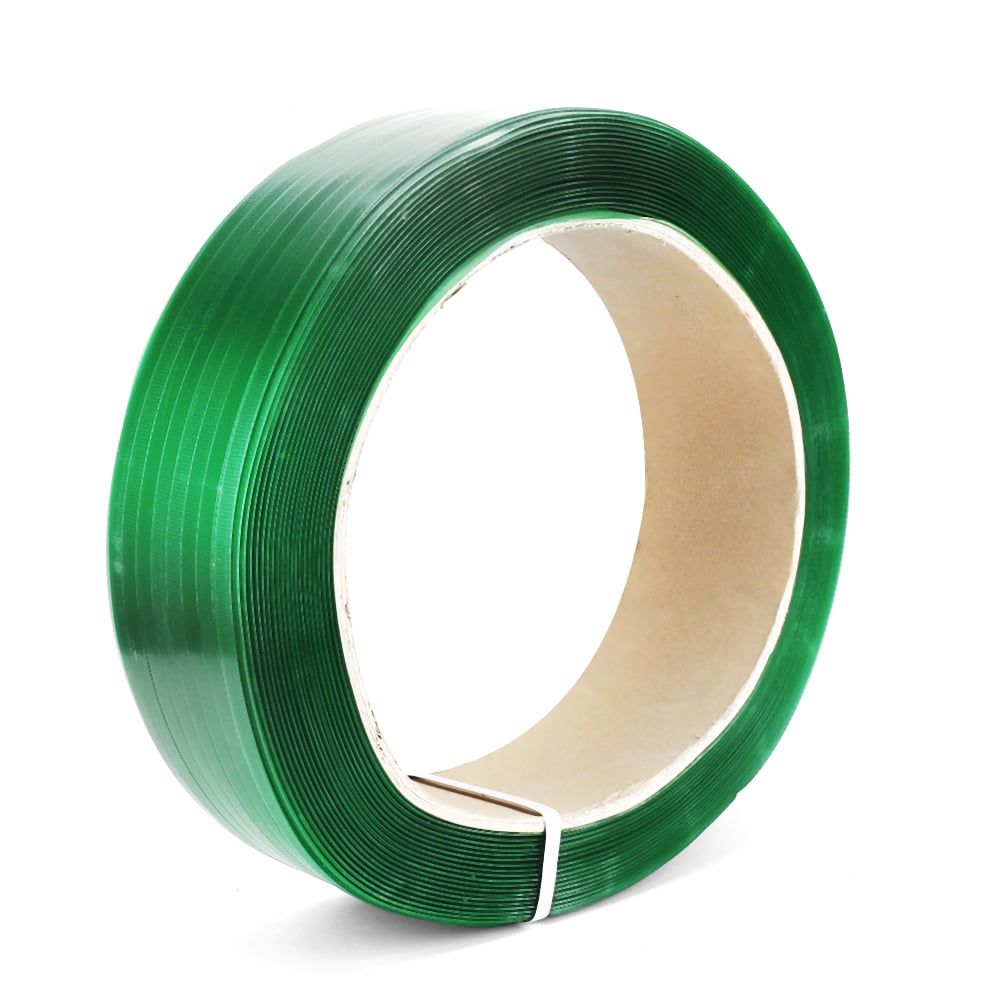
As warehouse operations evolve, understanding the strapping material trends shaping warehouse packaging in 2026 becomes essential for purchasing managers and logistics professionals. Strapping materials, including polypropylene (PP) and polyethylene terephthalate (PET), play a critical role in securing goods during transit. This article will help B2B buyers navigate the latest trends, assess their material options, and address common concerns such as sourcing, specifications, cost factors, and best practices for installation.
Where to Source Reliable Strapping Materials for Wholesale Purchasing?
Finding reliable sources for strapping materials is crucial for maintaining operational efficiency. Buyers should consider both domestic and international suppliers to ensure they can meet demand and quality standards. When sourcing, prioritize manufacturers that emphasize sustainability and quality control, such as Enjoy Packaging, which produces strapping rolls from recycled bottle flakes. Buyers can use industry directories, trade shows, and online marketplaces to identify potential suppliers. It’s also beneficial to request samples to evaluate strapping band pp quality before placing bulk orders. Establishing a strong relationship with a supplier can facilitate better pricing, improved communication, and quicker response times to supply chain challenges.
Key Specifications to Evaluate When Selecting Strapping Materials
When evaluating strapping materials, several key specifications should guide your selection process:
Material Type: Choose between PP and PET based on the application. PP is lightweight and economical, while PET offers higher strength and is suitable for heavier loads.
Thickness and Width: The thickness of the strapping affects its strength and load capacity. Wider straps distribute weight more evenly, which is crucial for heavy or fragile items.
Breaking Strength: This specification indicates the load the strap can withstand before failure. It’s essential to select a strapping material that exceeds the maximum weight of the items being secured.
Elongation: Understanding how much a strap can stretch before breaking is vital for strapping solutions ensuring that it maintains tension during transport without snapping.
Coating and Surface Treatment: Some strapping materials come with surface treatments that improve friction and grip. This is particularly important in environments with variable temperatures or humidity.
By carefully assessing these specifications strapping materials, buyers can ensure they select polypropylene strapping band that meet their operational needs and performance requirements.
Understanding the Cost Factors of Strapping Materials for Bulk Orders
The cost of strapping materials can vary significantly based on several factors. Understanding these elements helps buyers make informed purchasing decisions:
Material Costs: The price of raw materials, such as recycled bottle flakes for PET strapping or the production costs of PP, directly affects pricing. Fluctuations in the market can influence your budget.
Quantity Ordered: Bulk orders typically result in lower per-unit costs. Knowing the minimum order quantity (MOQ) that a supplier requires is essential for budgeting purposes.
Customization Needs: Custom colors, sizes, or printed logos can increase costs. Buyers should weigh the benefits of customization against the additional expenses.
Shipping and Handling: Consider the logistics involved in transporting strapping, especially for international orders. Shipping costs can add significantly to the total expenditure.
Supplier Reliability: Established suppliers may charge a premium based on their reputation for quality and service. However, the assurance of consistent supply and product integrity can justify this cost.
By analyzing these cost factors, B2B buyers can optimize their procurement strategies and ensure they receive the best value for their strapping materials.
Advantages of Using Recycled Strapping Materials in Packaging Solutions
Utilizing recycled strapping materials, such as those produced by Enjoy Packaging, presents numerous advantages:
Environmental Impact: Using recycled materials reduces waste and the carbon footprint associated with production. This is increasingly important as companies strive to meet sustainability goals.
Performance: Recycled strapping materials like PET can offer similar or even superior performance compared to virgin materials, making them a robust choice for securing goods.
Cost-Effectiveness: Often, recycled materials can be more cost-effective than new materials, especially as recycling technology improves and becomes more efficient.
Market Demand: There is a growing demand for sustainable products among consumers and businesses. By using recycled strapping materials, companies can enhance their brand image and appeal to environmentally-conscious clients.
By integrating recycled strapping into their packaging solutions, B2B buyers can contribute to sustainability while still maintaining high performance in their operations.
Best Practices for Installing Strapping Materials in Warehouse Operations
Effective installation of strapping materials is crucial for ensuring the security of packaged goods. Here are some best practices to consider:
Machine Compatibility: Ensure that the strapping machine used is compatible with the selected materials. Different strap types may require specific equipment settings to achieve optimal tension and sealing.
Proper Tensioning: Strapping should be tensioned correctly to eliminate slack but not so tight that it damages the product. Regularly check the tension settings on your strapping equipment.
Sealing Techniques: Choose the appropriate sealing method, whether it be heat sealing, friction welding, or steel seals. The chosen method affects the integrity of the strap during transport.
Training Staff: Ensure that warehouse staff are trained on the proper techniques for strapping goods. This includes understanding the specifications of the materials being used and recognizing when to replace worn-out strapping.
Quality Checks: Implement regular quality checks to monitor the performance of strapping materials, ensuring they meet the necessary specifications and standards for your operational needs.
By following these best practices, warehouse operations can minimize damage to products during transit and improve overall efficiency in packaging processes. Understanding these elements of strapping materials not only assists in making informed purchasing decisions but also enhances operational effectiveness in warehouse settings.
Table of Contents
- Where to Source Reliable Strapping Materials for Wholesale Purchasing?
- Key Specifications to Evaluate When Selecting Strapping Materials
- Understanding the Cost Factors of Strapping Materials for Bulk Orders
- Advantages of Using Recycled Strapping Materials in Packaging Solutions
- Best Practices for Installing Strapping Materials in Warehouse Operations