 EN
EN
Polypropylene strapping kits are essential tools for securing packages and products during transit, ensuring they arrive at their destination intact. For B2B buyers—such as purchasing managers, distributors, and engineers—understanding the various aspects of these kits is crucial. Buyers often have concerns regarding the durability, compatibility, and overall performance of strapping solutions. This article aims to provide valuable insights into selecting the right pallet strapping kit, evaluating key specifications, installation guidance, quality control processes, and cost factors to consider before making a purchase. This article will help you to understand the product more, so keep on reading it all.
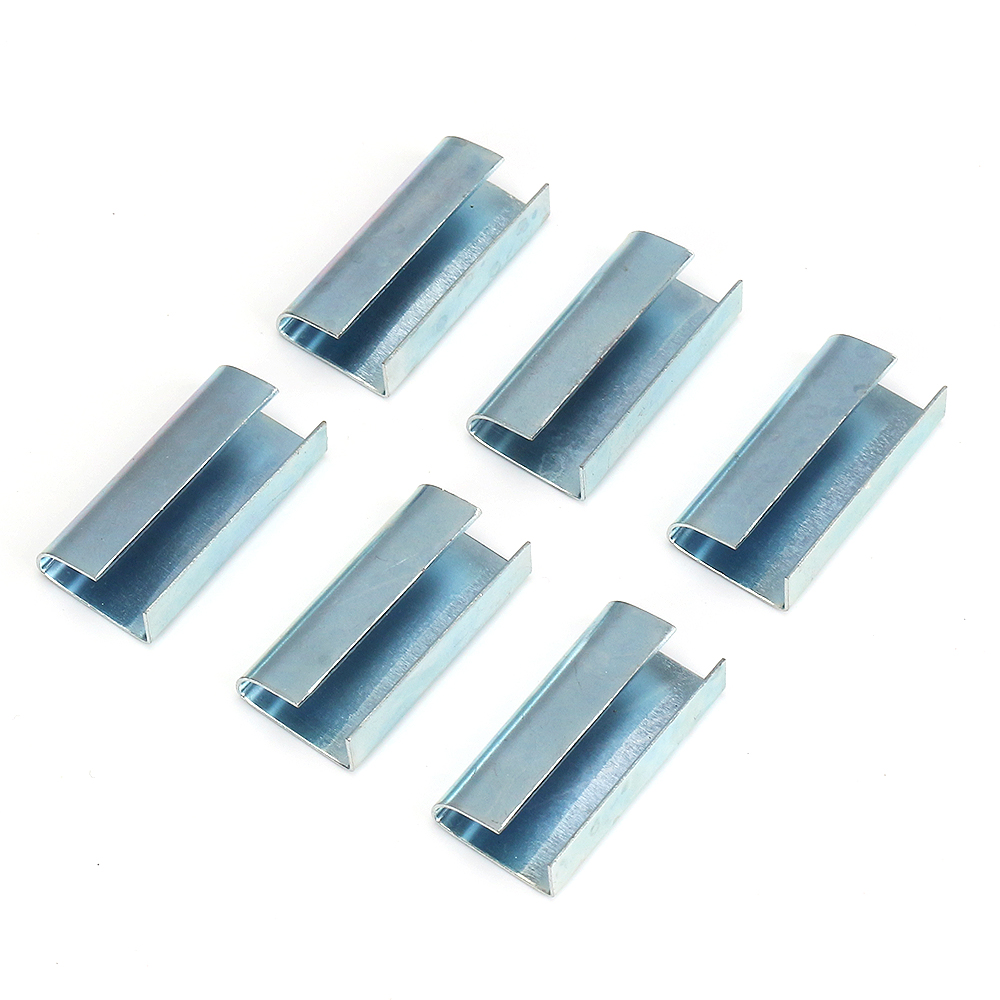
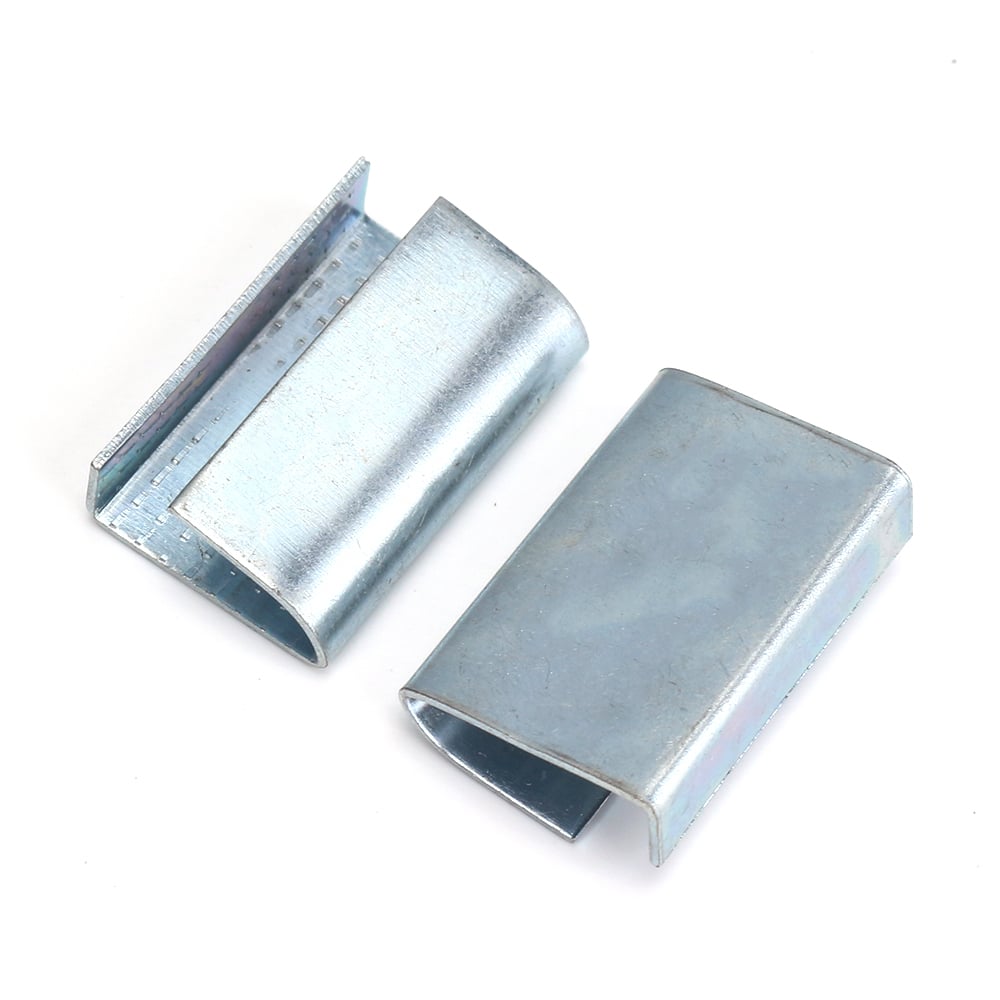
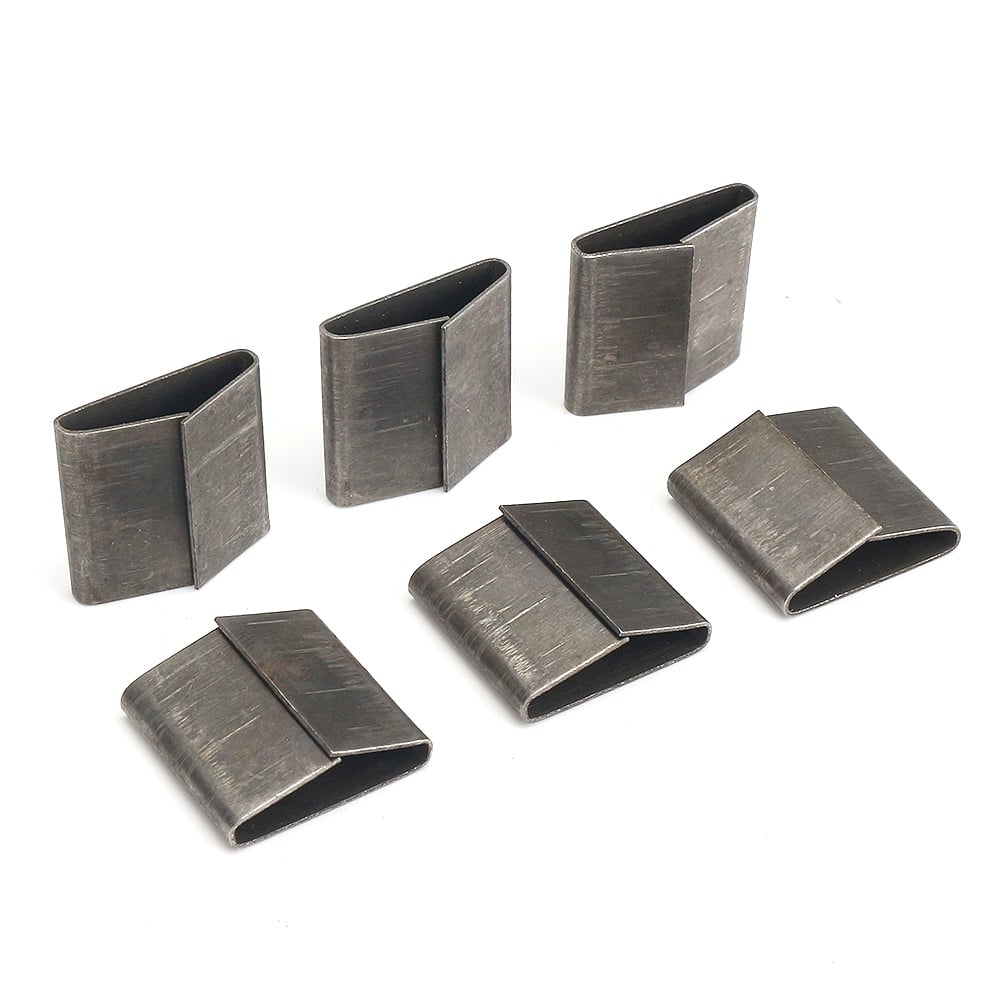
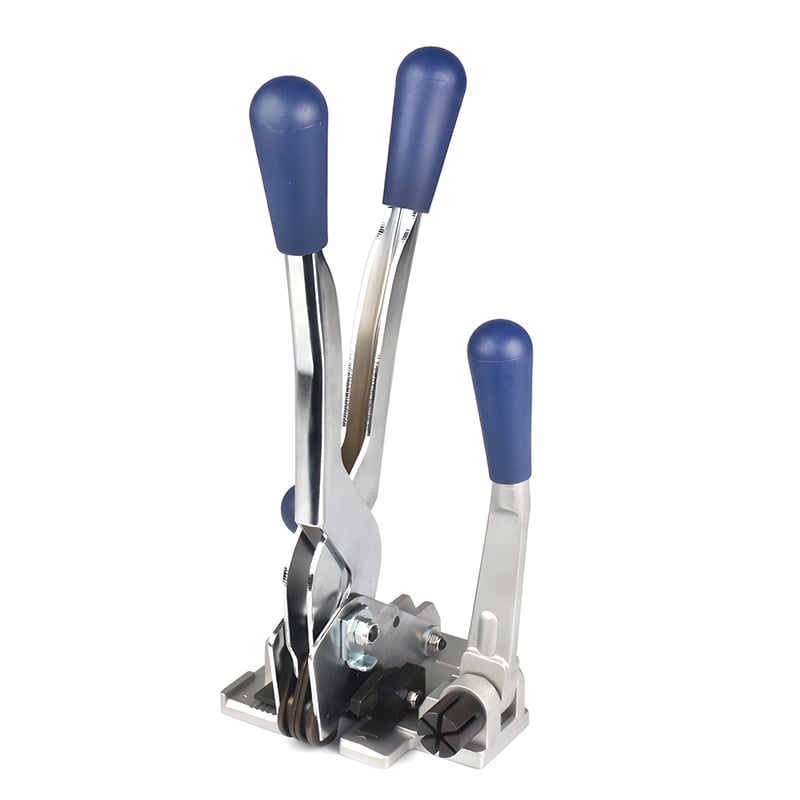
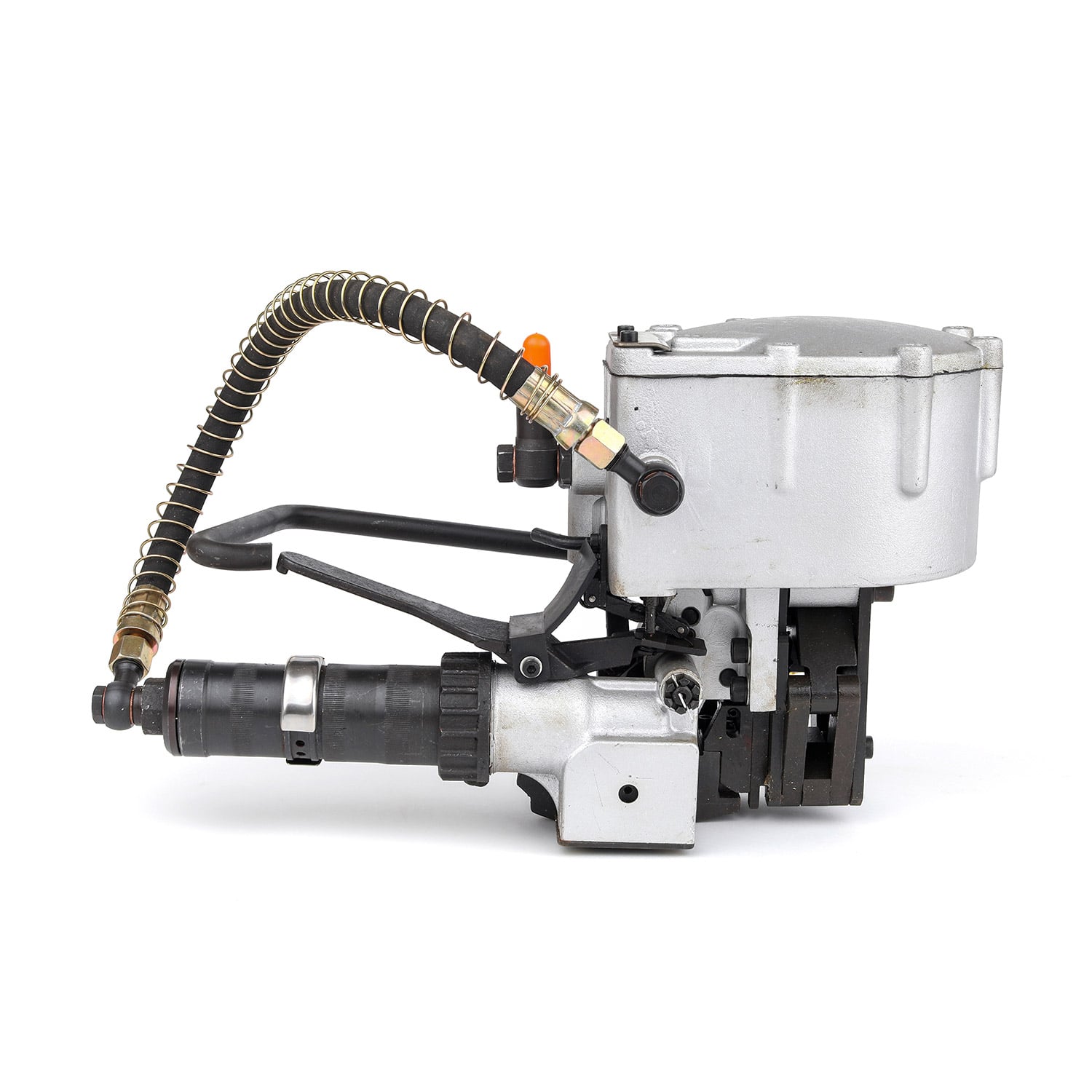
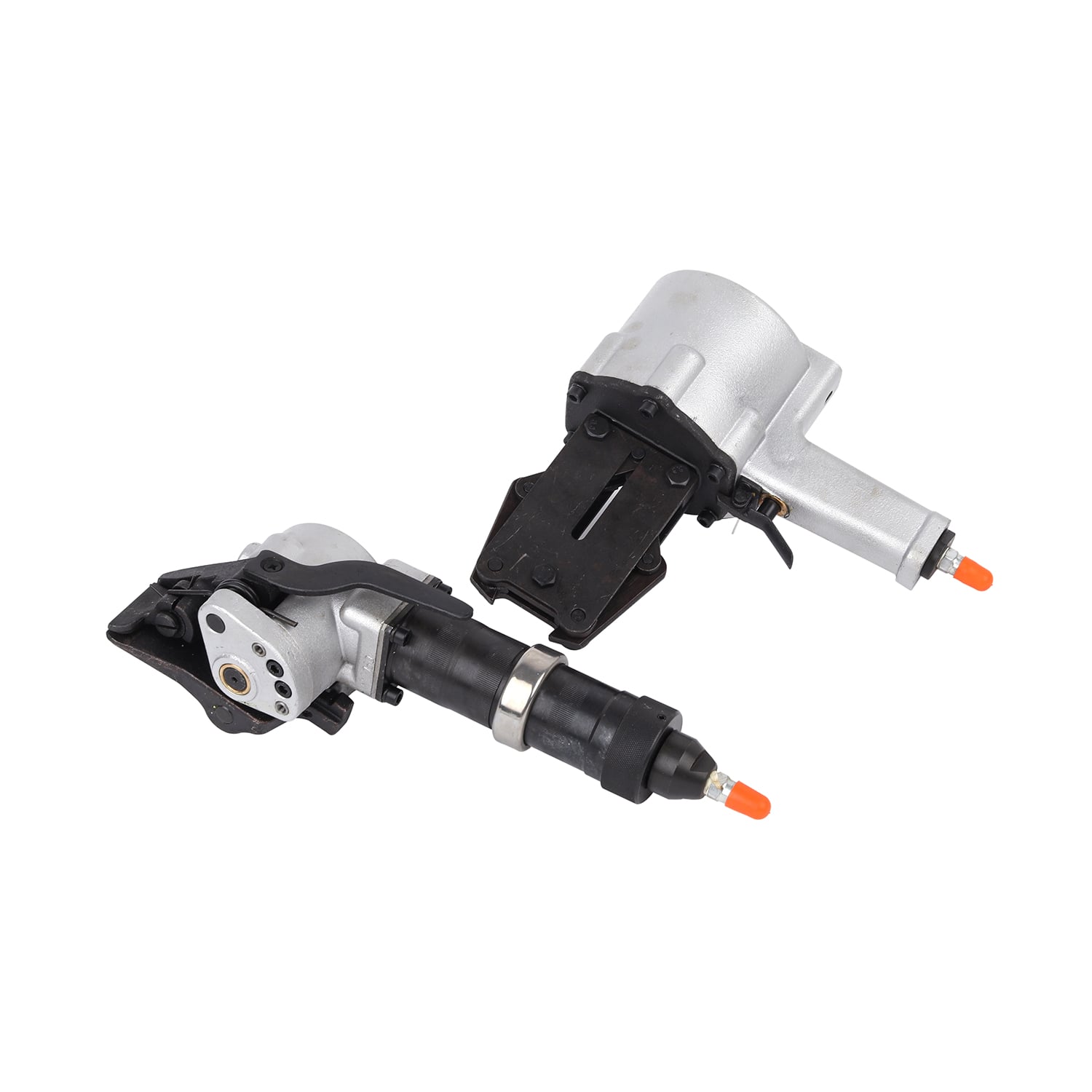
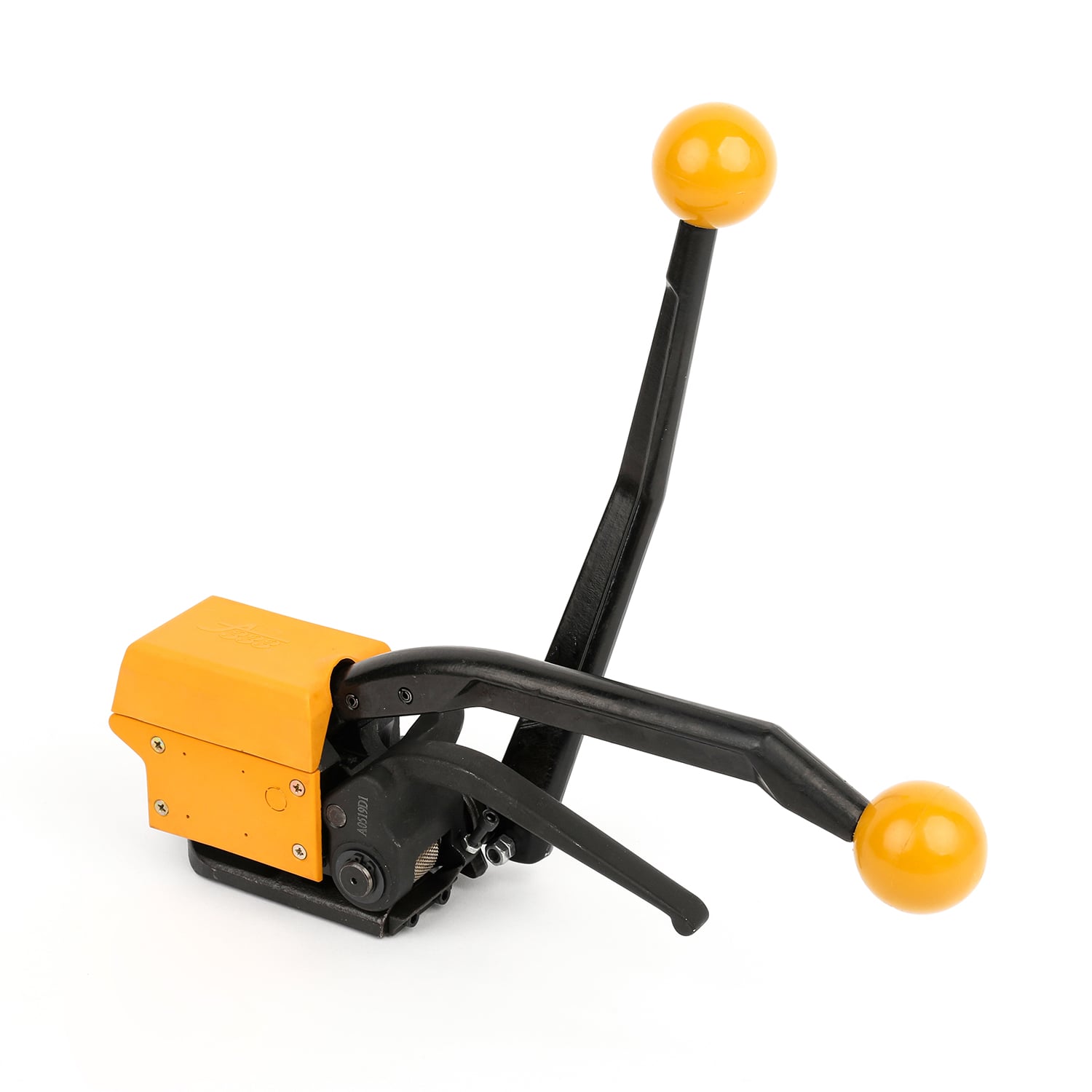
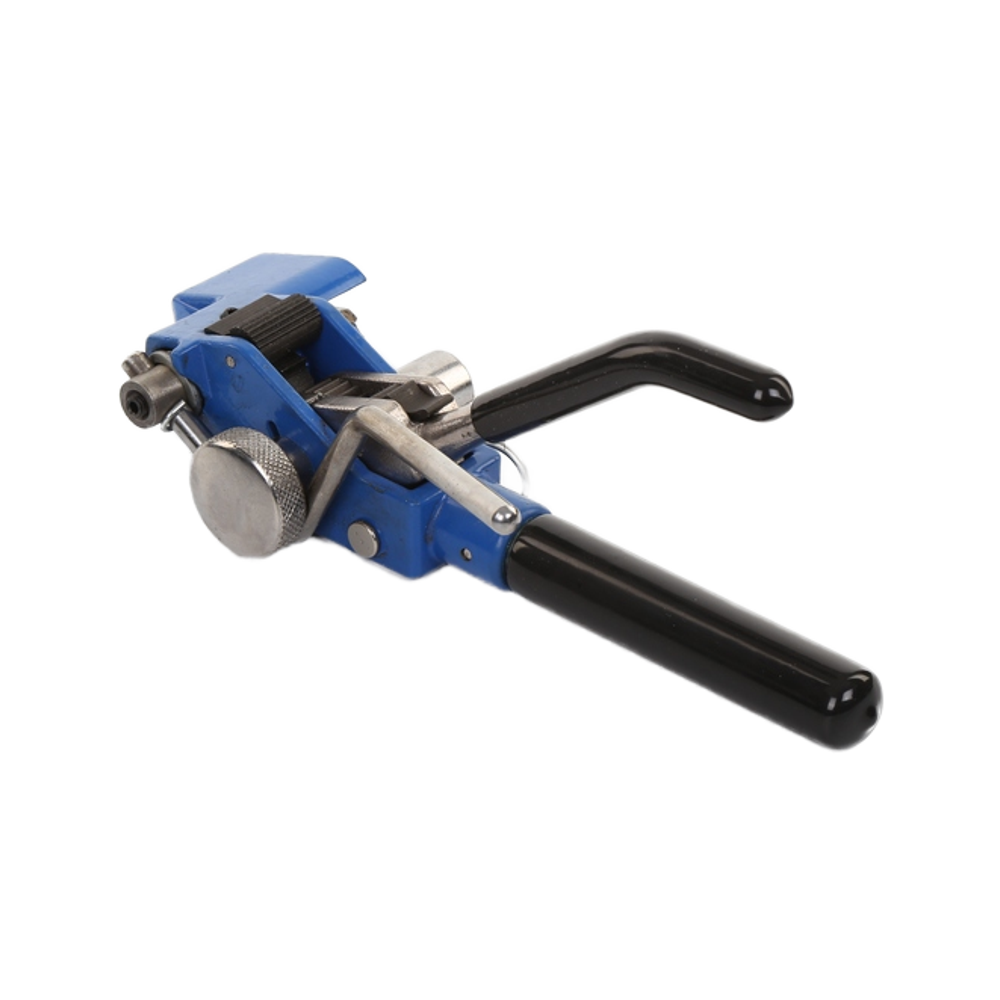
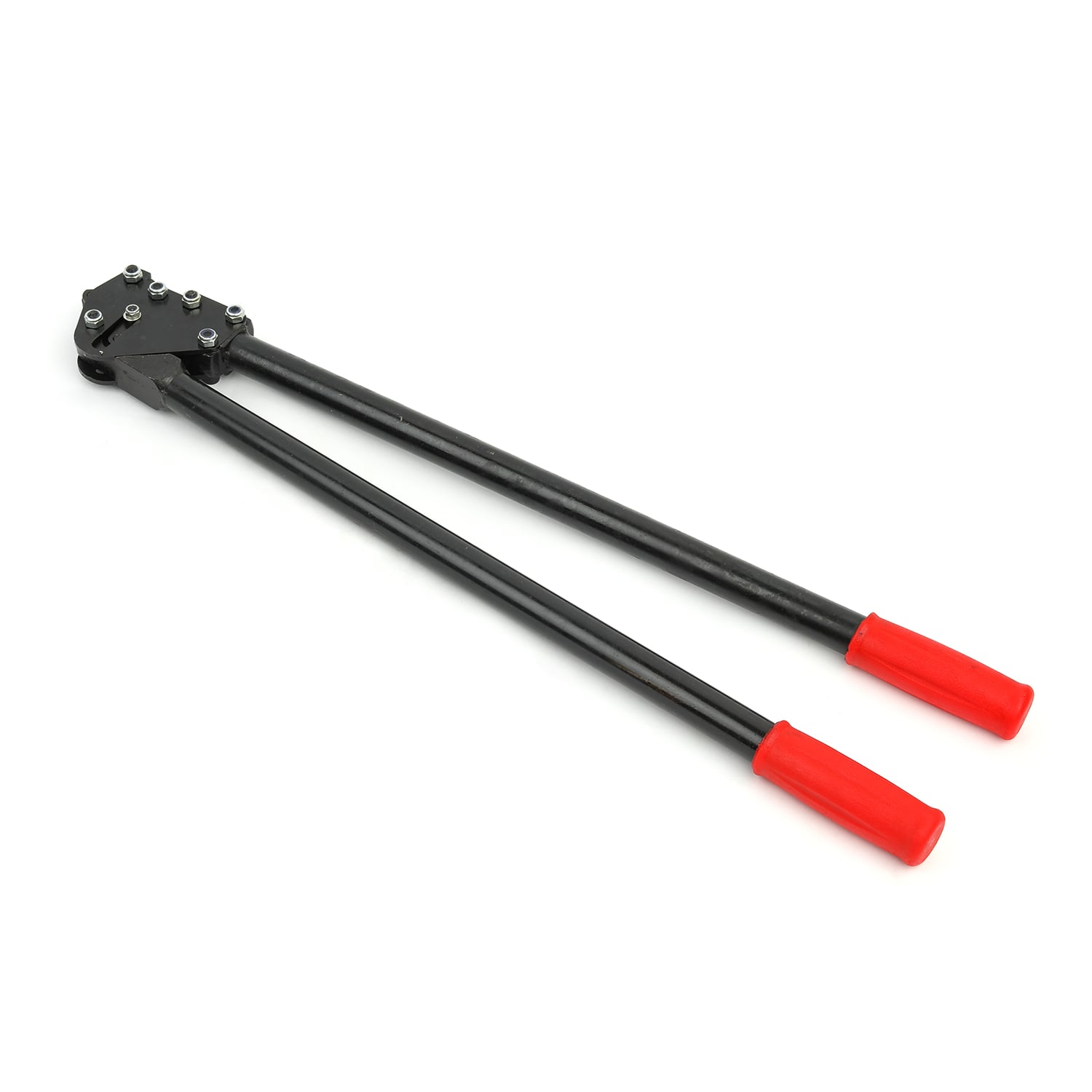
Key Specifications to Evaluate in Polypropylene Strapping Kits
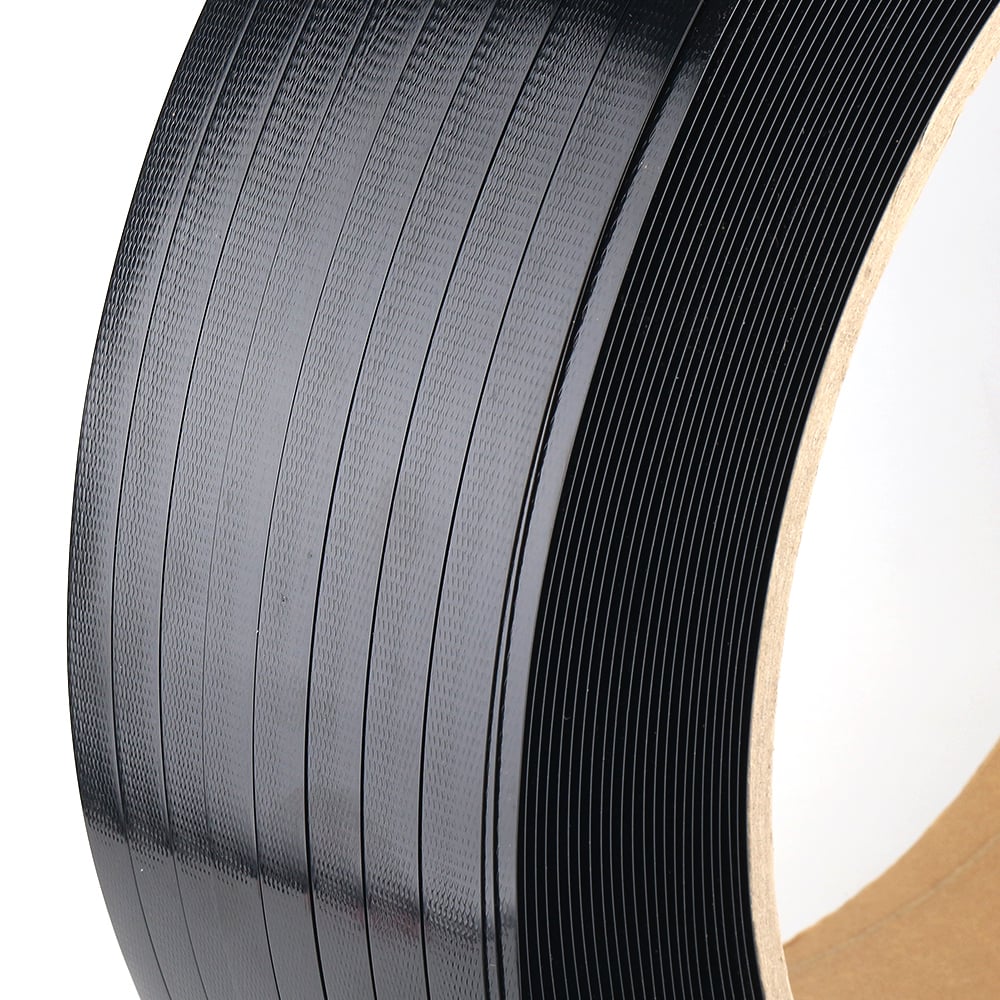
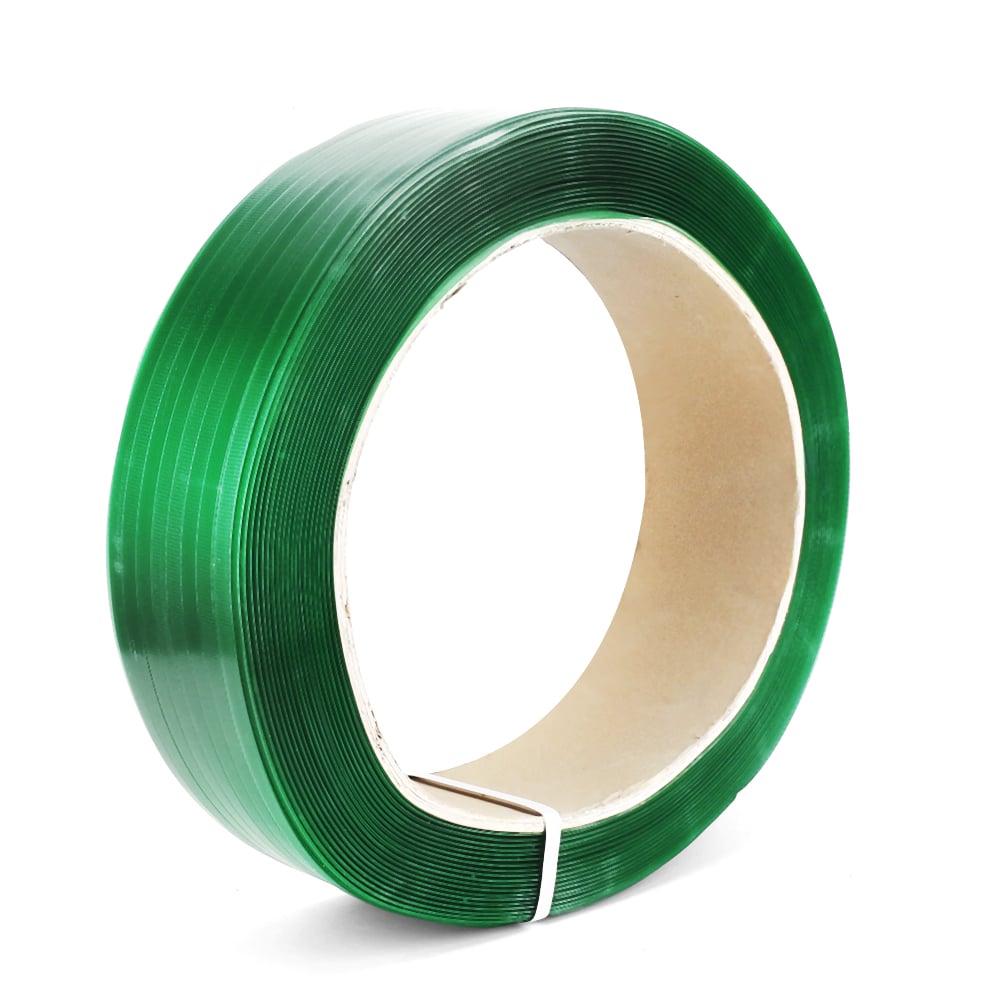
When evaluating polypropylene strapping kits, several key specifications are crucial to ensure you select the right product. First, consider the strap width and thickness. A wider and thicker strap generally provides better load-holding capabilities, but it is essential to balance these specifications with the requirements of your machinery and the nature of your goods.
Next, look at the breaking strength, which indicates how much weight the strap can handle before failing. This specification should align with the weight of the items you are securing. Additionally, check the elongation percentage, which refers to how much the strap stretches under load. High elongation can be beneficial for absorbing shock during transport, but excessive stretch may lead to inadequate tension.
Finally, review the material's resistance to environmental factors. Polypropylene is known for its resistance to moisture and UV exposure, which are critical for outdoor or prolonged storage applications. It’s vital to ensure that these specifications match your operational conditions to avoid issues during transit.