 EN
EN
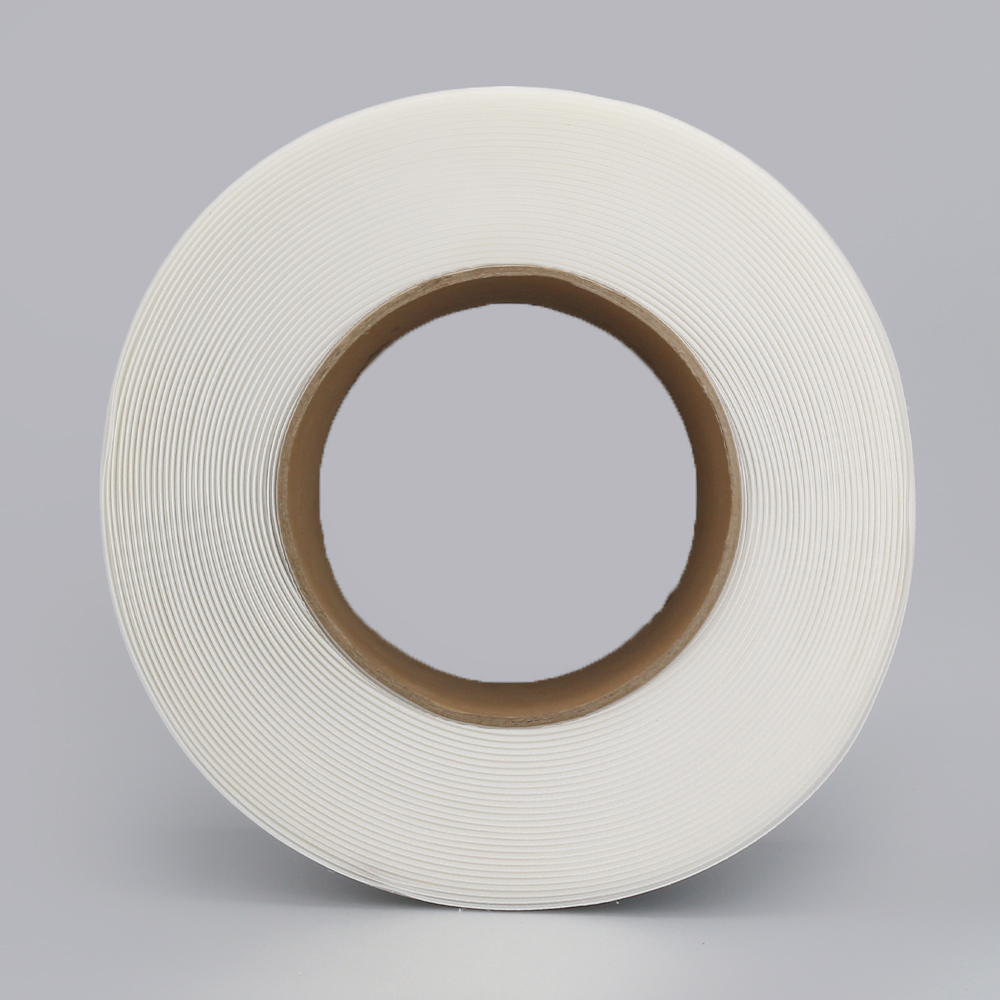
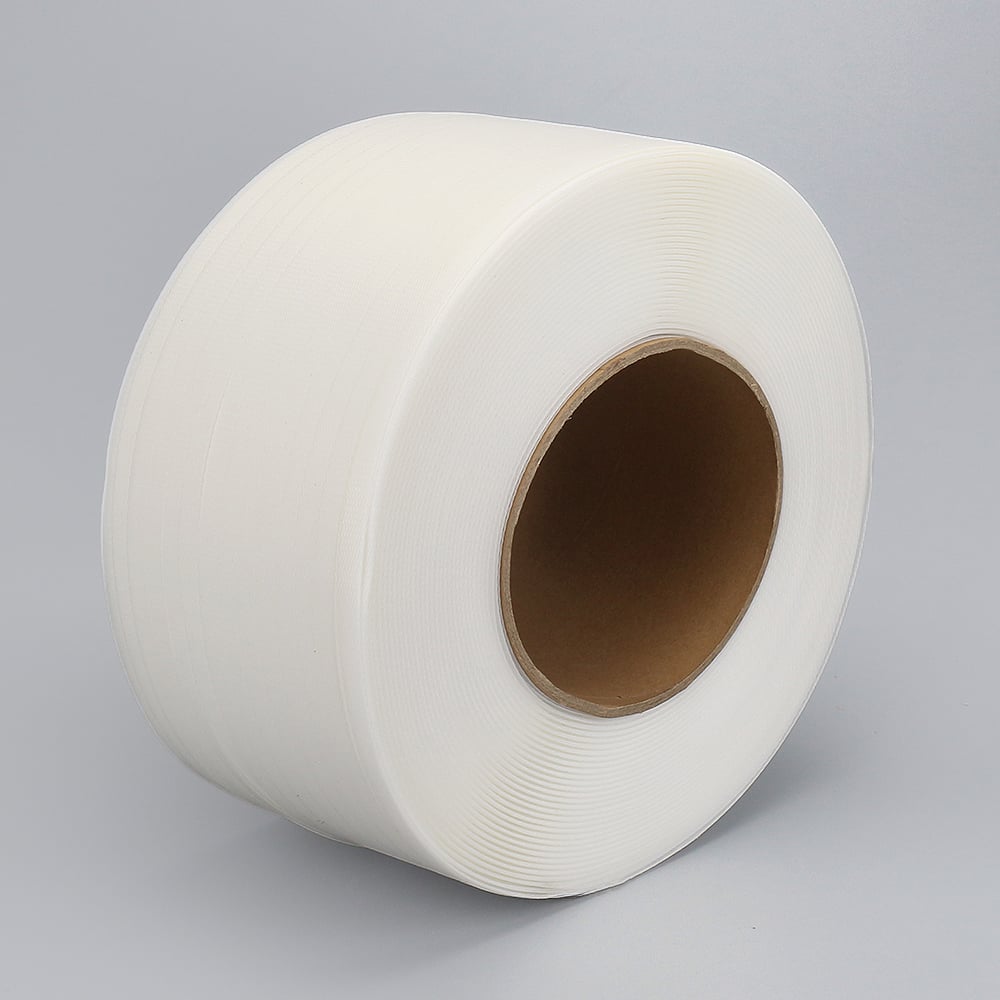
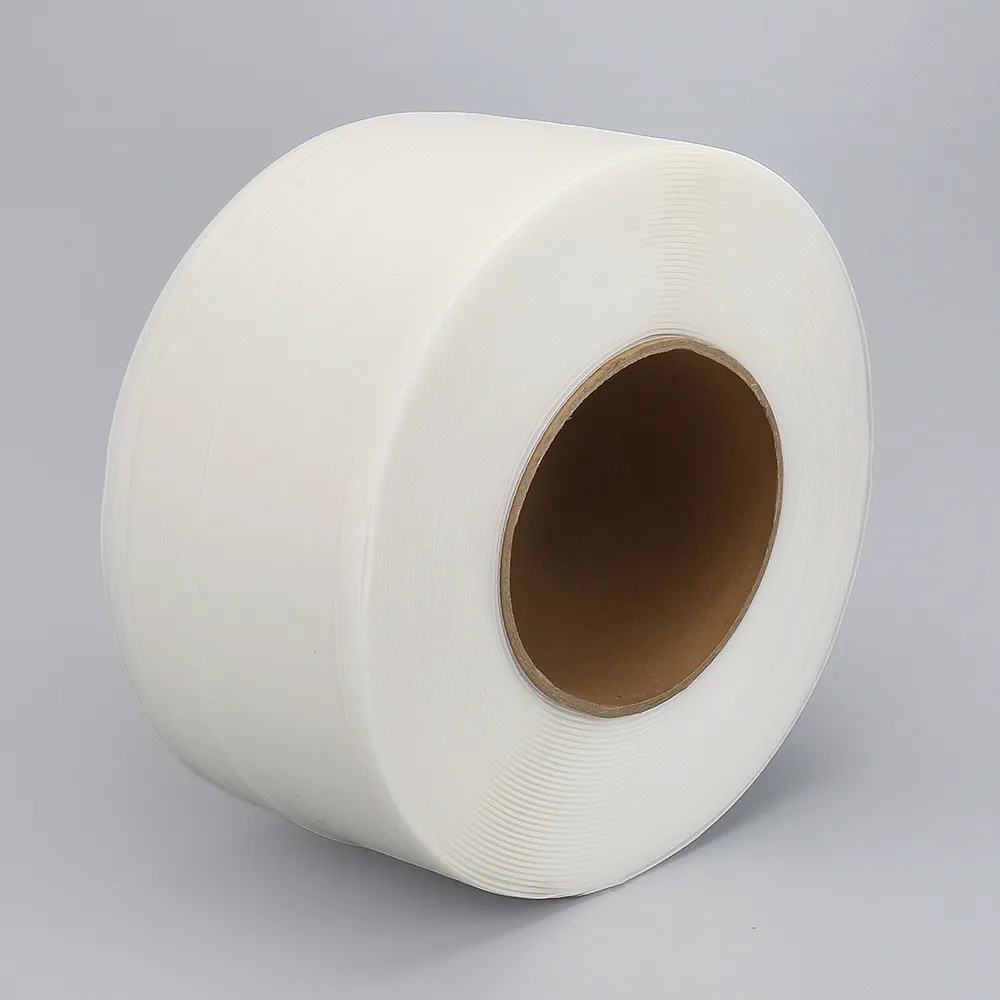
Polypropylene banding, also known as polypropylene strapping, is a critical packaging solution widely used in various industries for securing products during transit. B2B buyers, such as purchasing managers and distributors, often prioritize durability, quality, and cost-effectiveness when selecting strapping solutions. This article will provide insight into the key specifications of polypropylene banding, compare it with other materials, guide you on finding reliable suppliers, discuss cost factors to consider, and explore its applications across different industries.
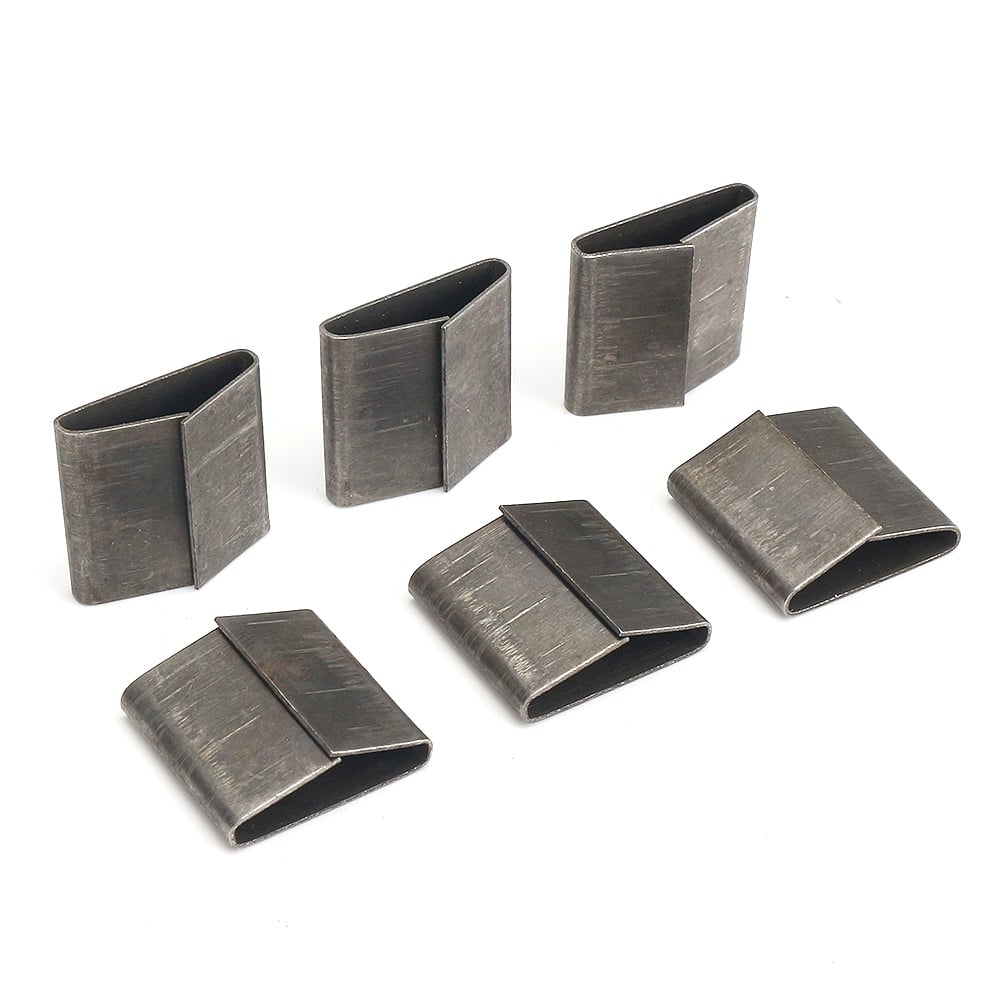
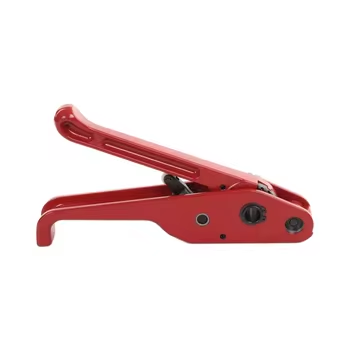
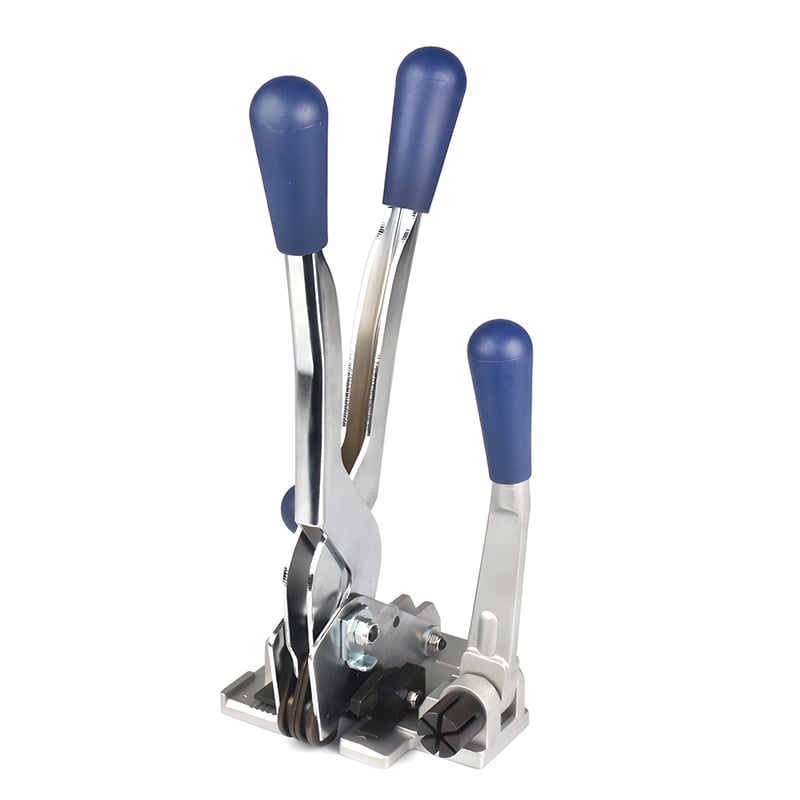
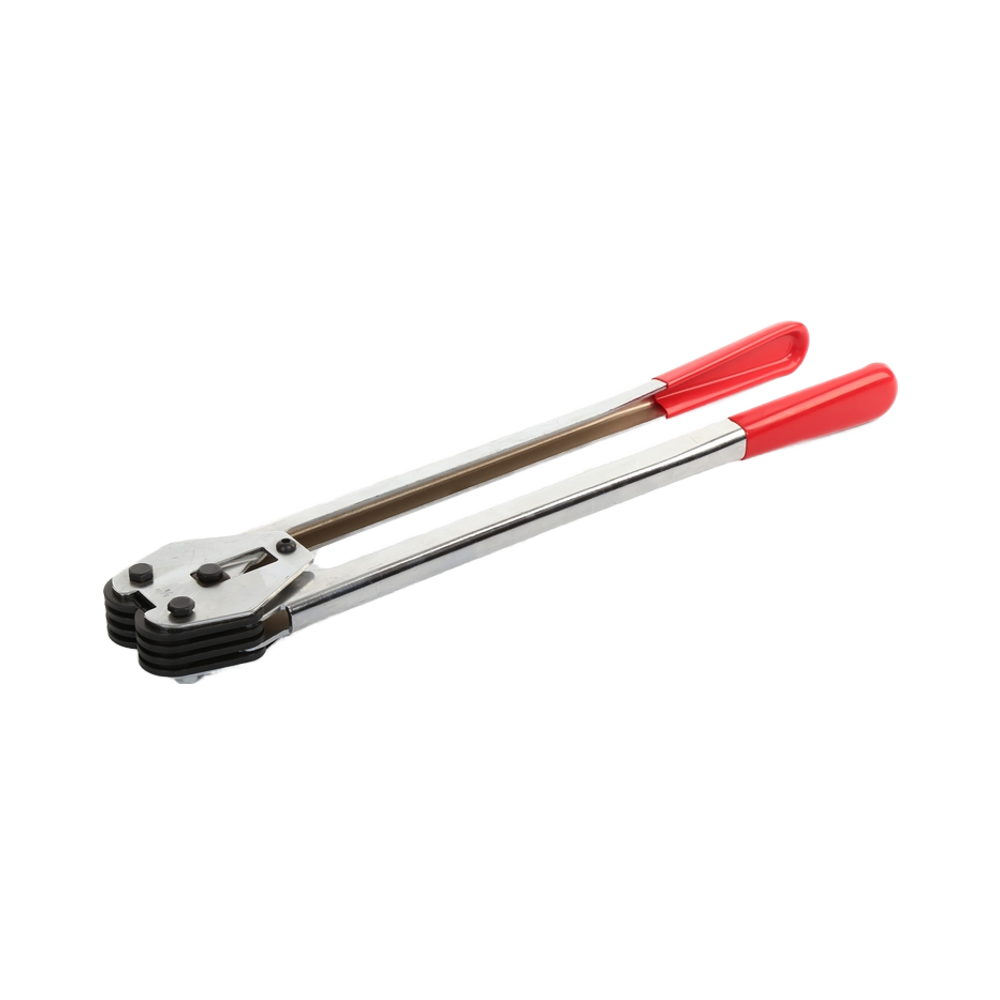
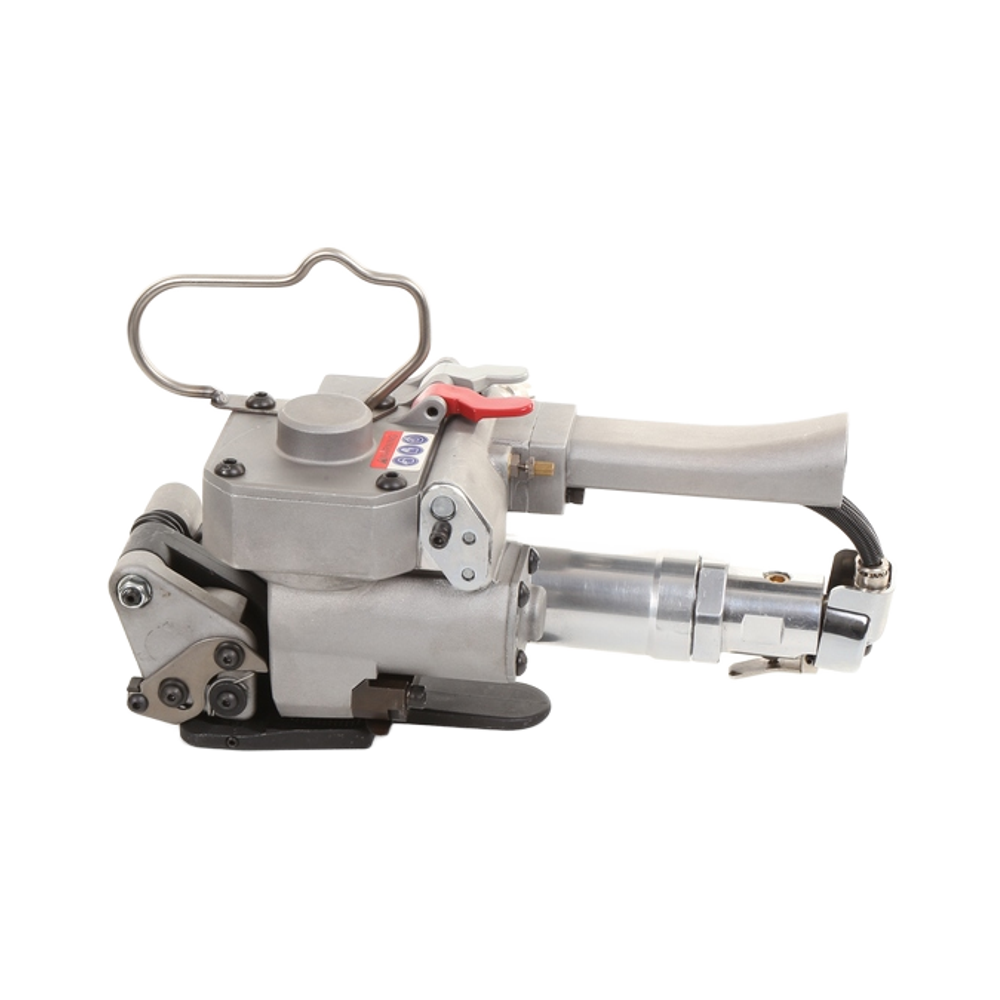
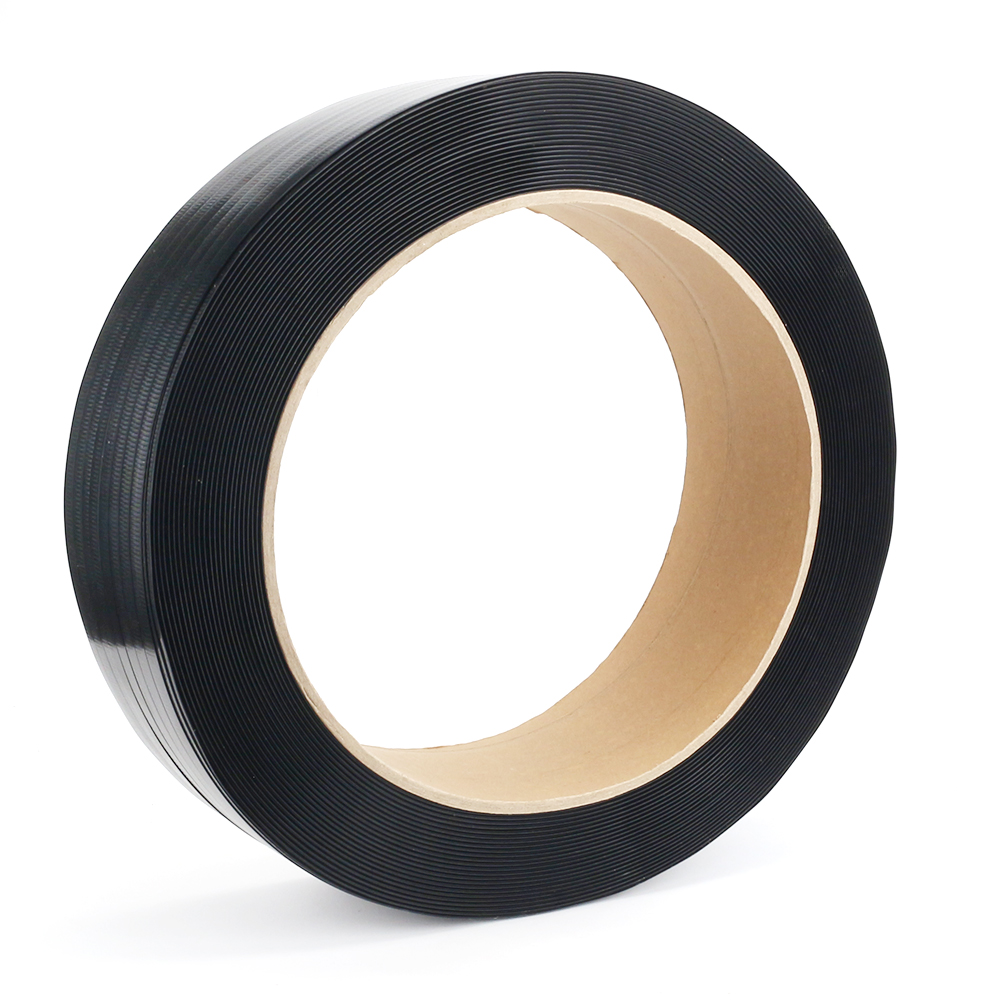
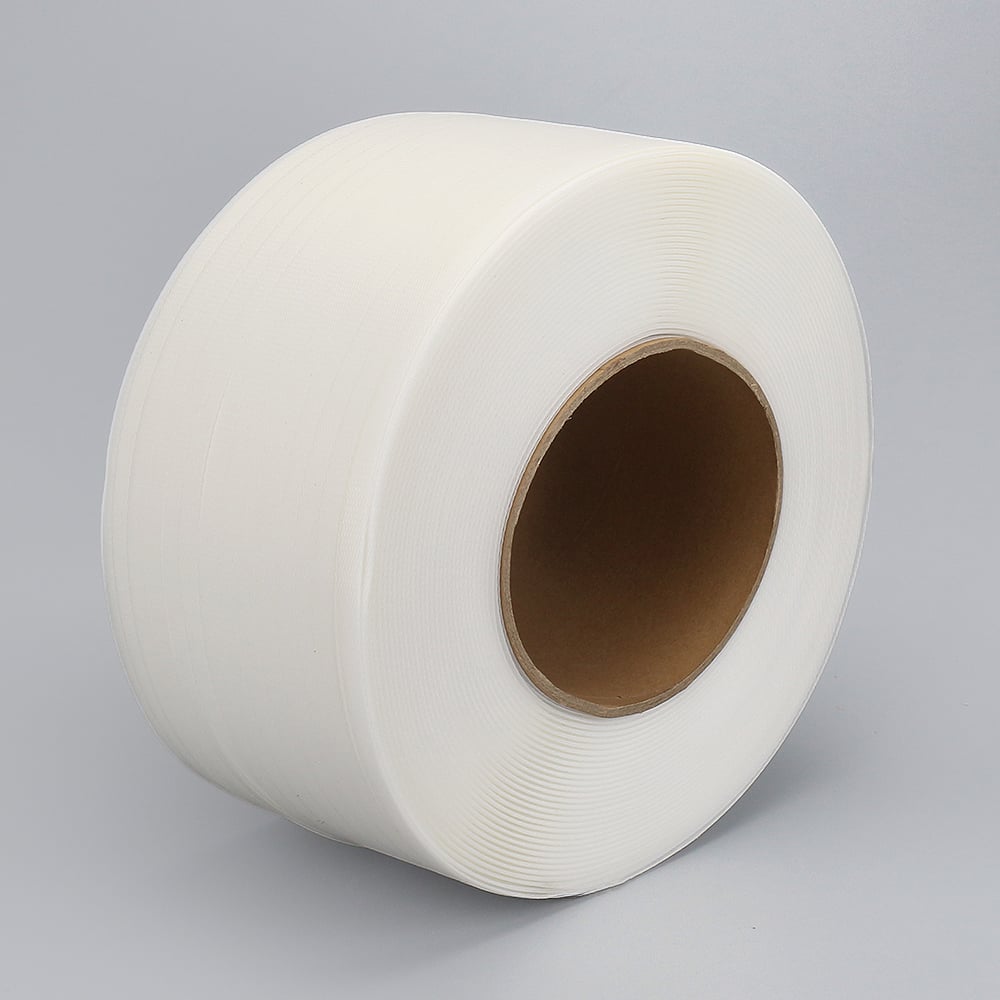
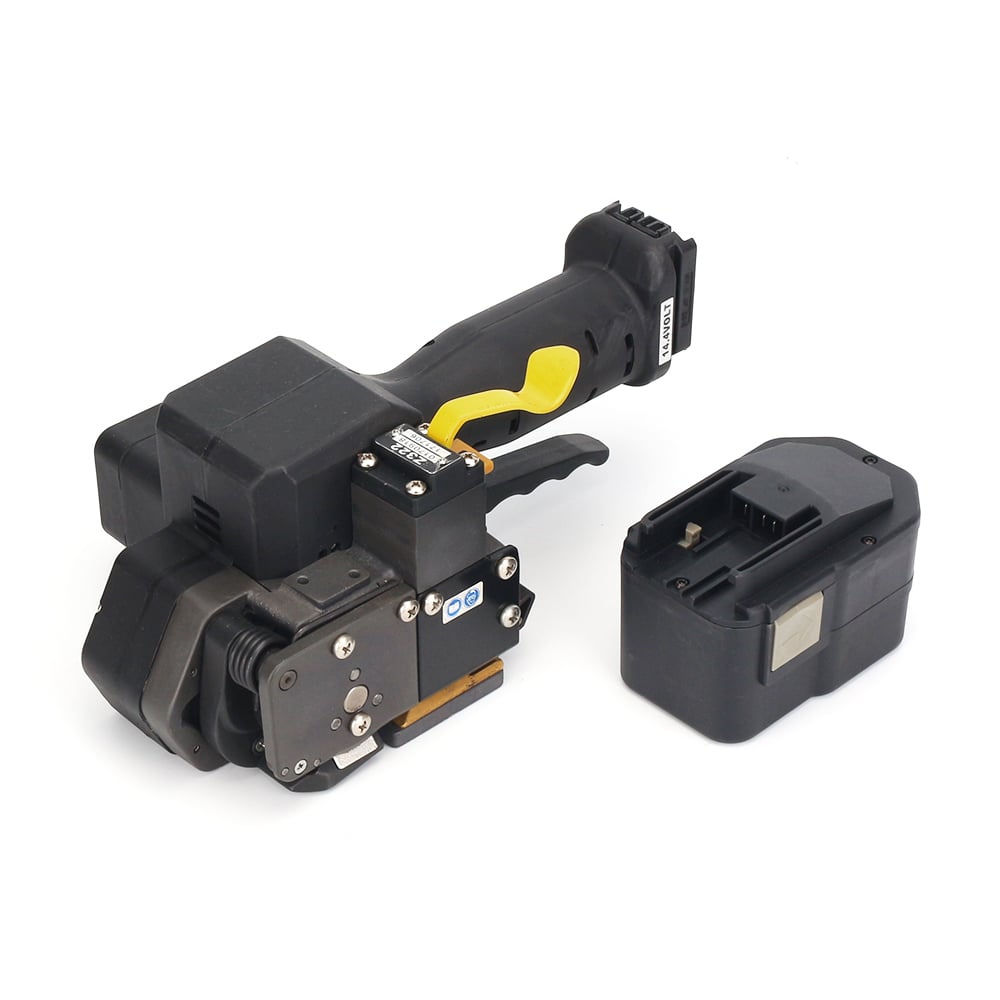
Polypropylene Banding vs. Other Materials
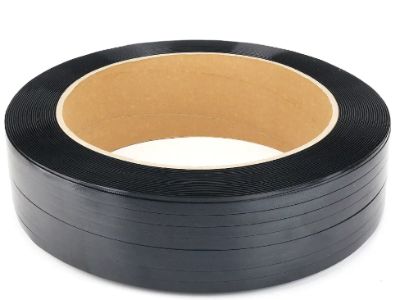
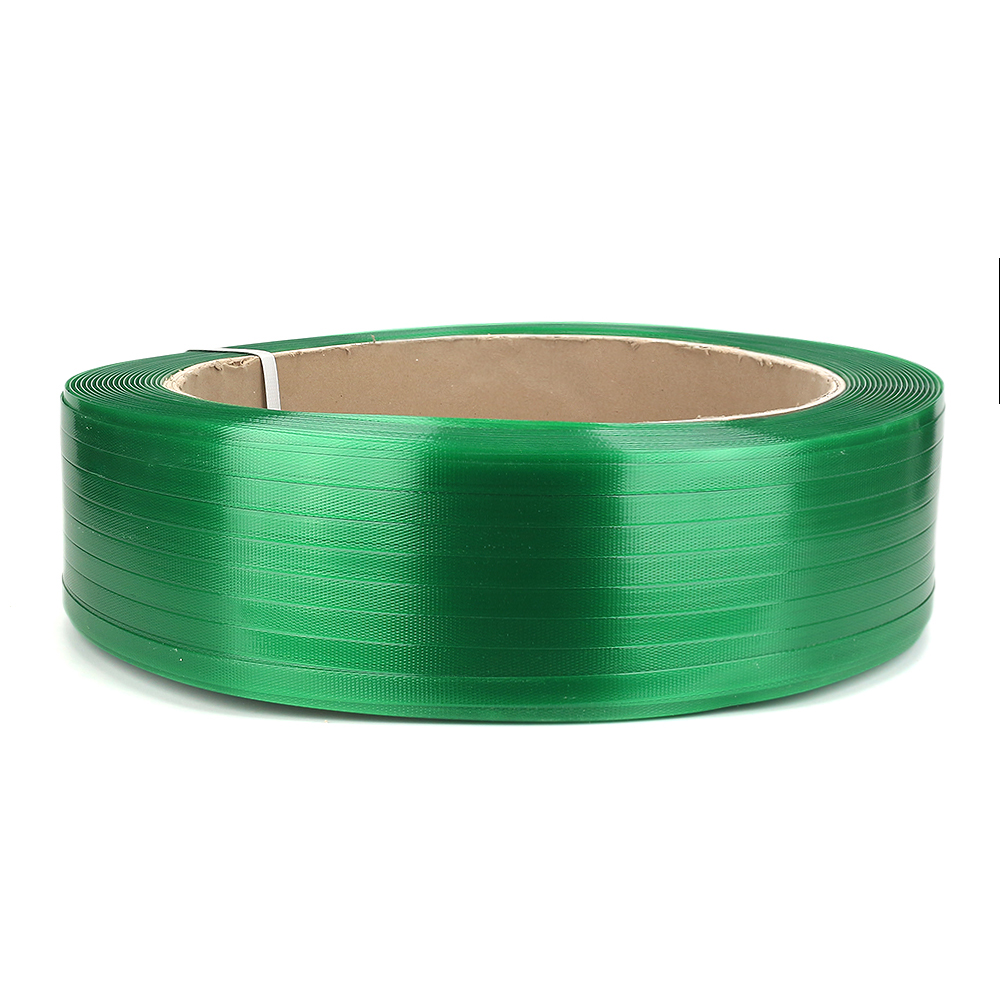
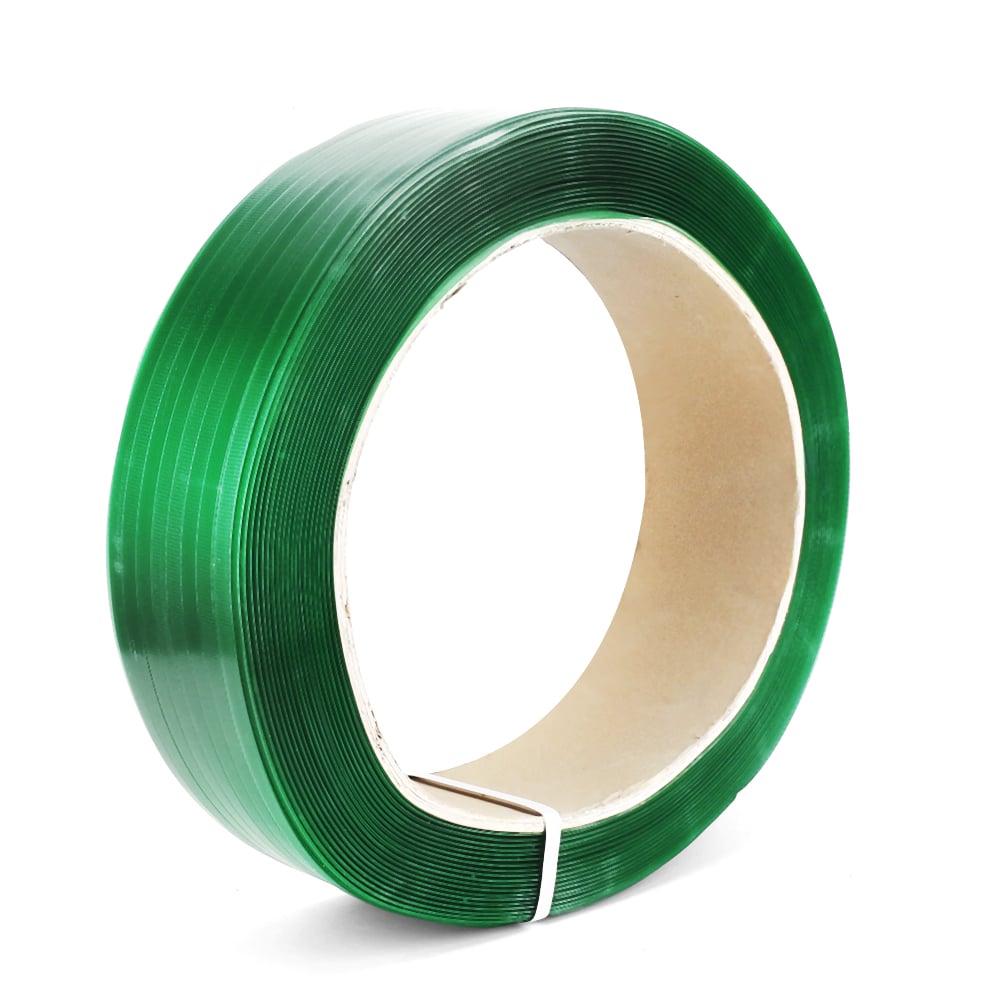
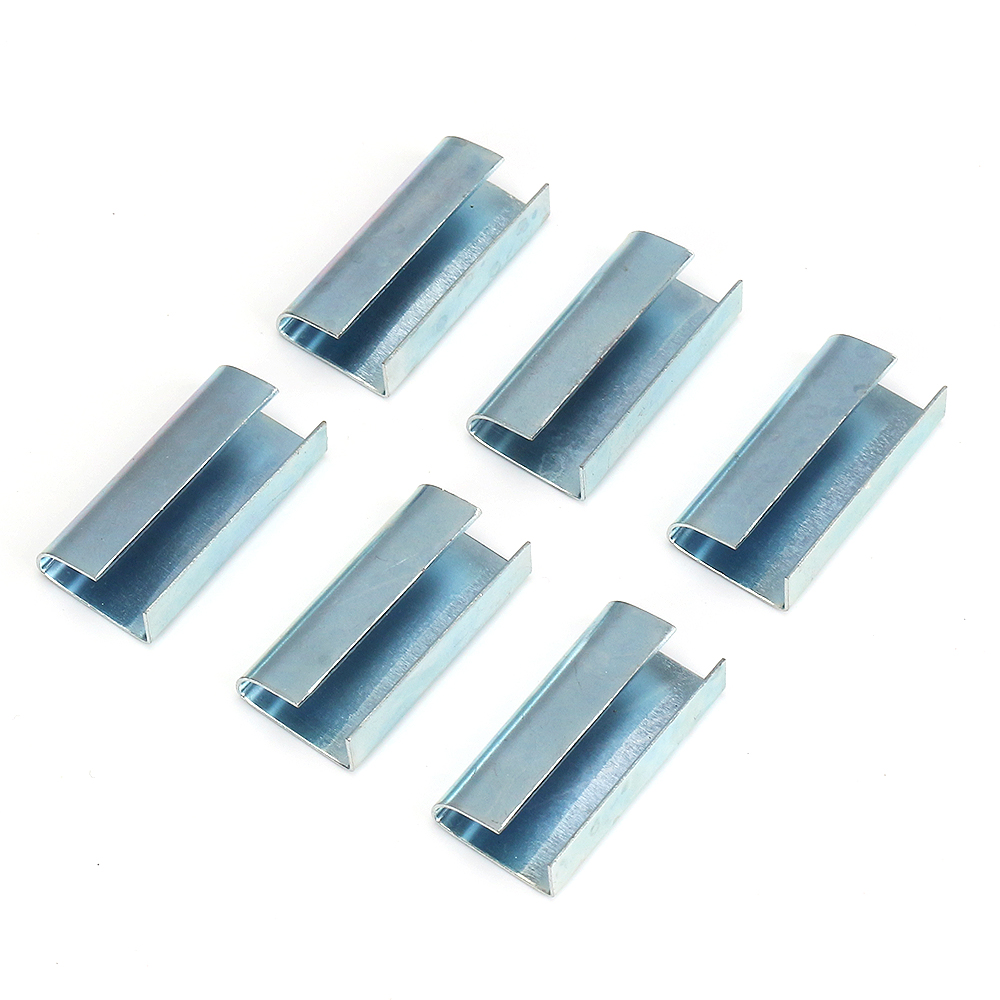
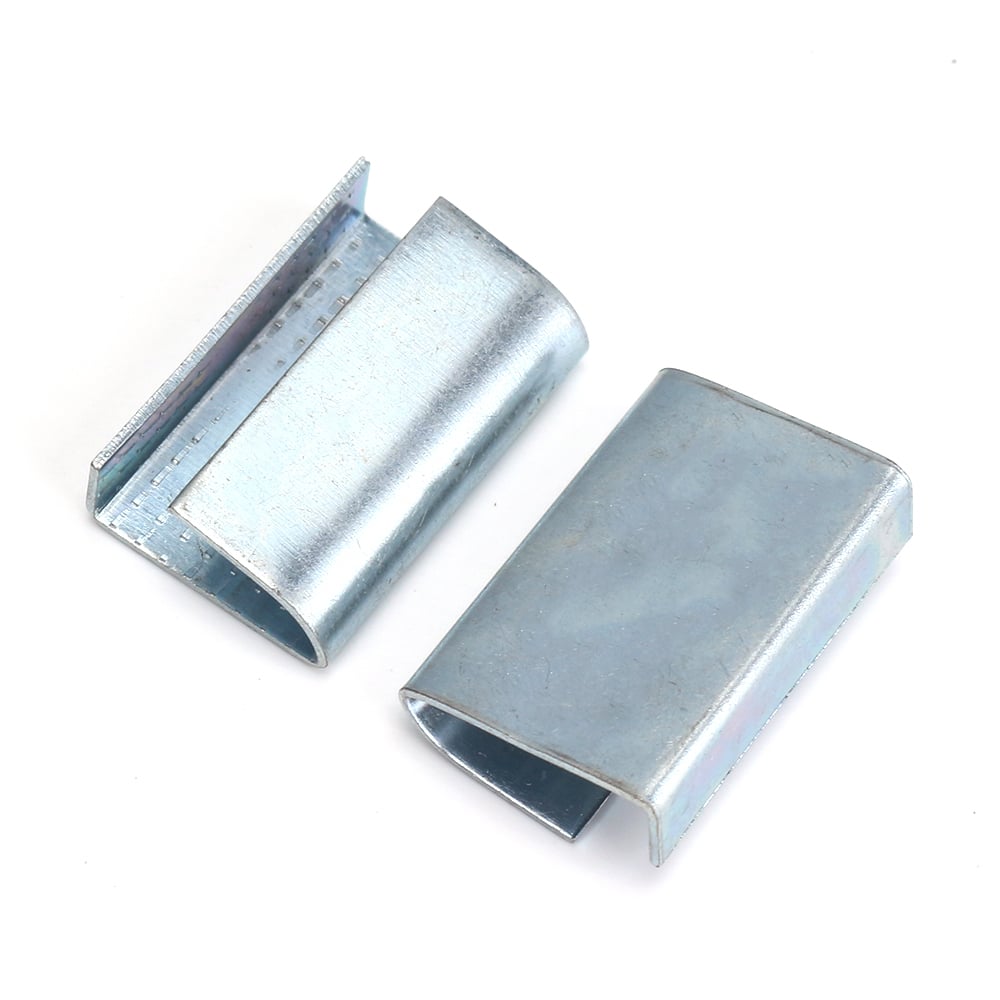
When comparing polypropylene banding to other materials like polyester (PET) or steel, several factors come into play: Weight: Polypropylene is significantly lighter than steel, making it easier to handle and apply. This is a crucial consideration for companies looking to reduce shipping costs and improve efficiency in their packaging processes. Cost: Generally, steel banding crimper tool is more cost-effective than polyester and steel alternatives. While PET offers higher tensile strength, the price can be prohibitive for some applications. Buyers need to assess their specific needs against their budget constraints. Flexibility: Polypropylene is more flexible than steel, allowing it to conform better to the shapes of packaged goods. This flexibility can help prevent damage during transit. Corrosion Resistance: Unlike steel, polypropylene is impervious to moisture and won't corrode, making it a better choice for applications exposed to the elements or in humid environments. Ultimately, the choice between polypropylene and other materials depends on the specific application requirements, including load weight, environmental conditions, and budget.