 EN
EN
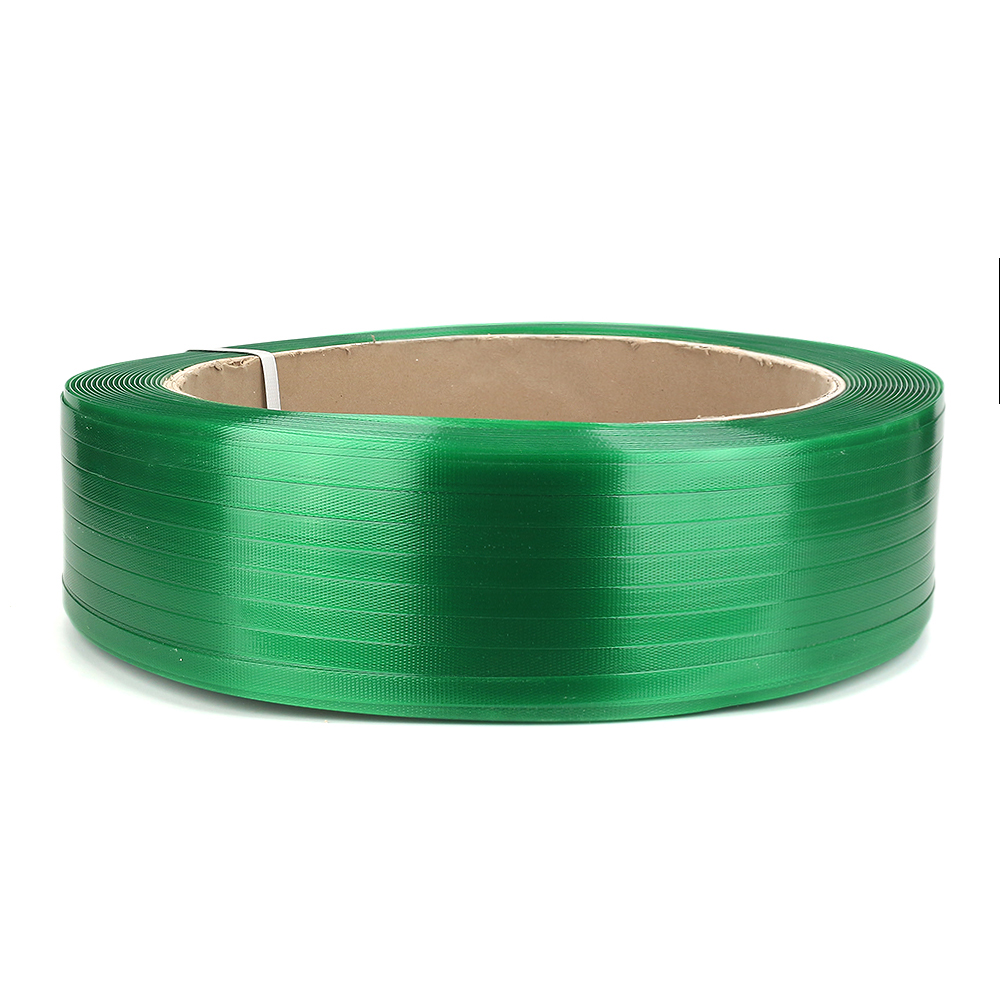
Polyester banding is a crucial component in securing goods for transit, particularly in industries where durability and reliability are paramount. As a B2B buyer, understanding how to choose the right polyester banding can significantly impact your packaging efficiency, cost-effectiveness, and product safety during shipping. This article will cover key considerations in selecting polyester banding, specifications that ensure durability, tips for finding reliable suppliers of polyester banding, cost factors to weigh when purchasing, and common problems associated with polyester strapping along with their solutions.
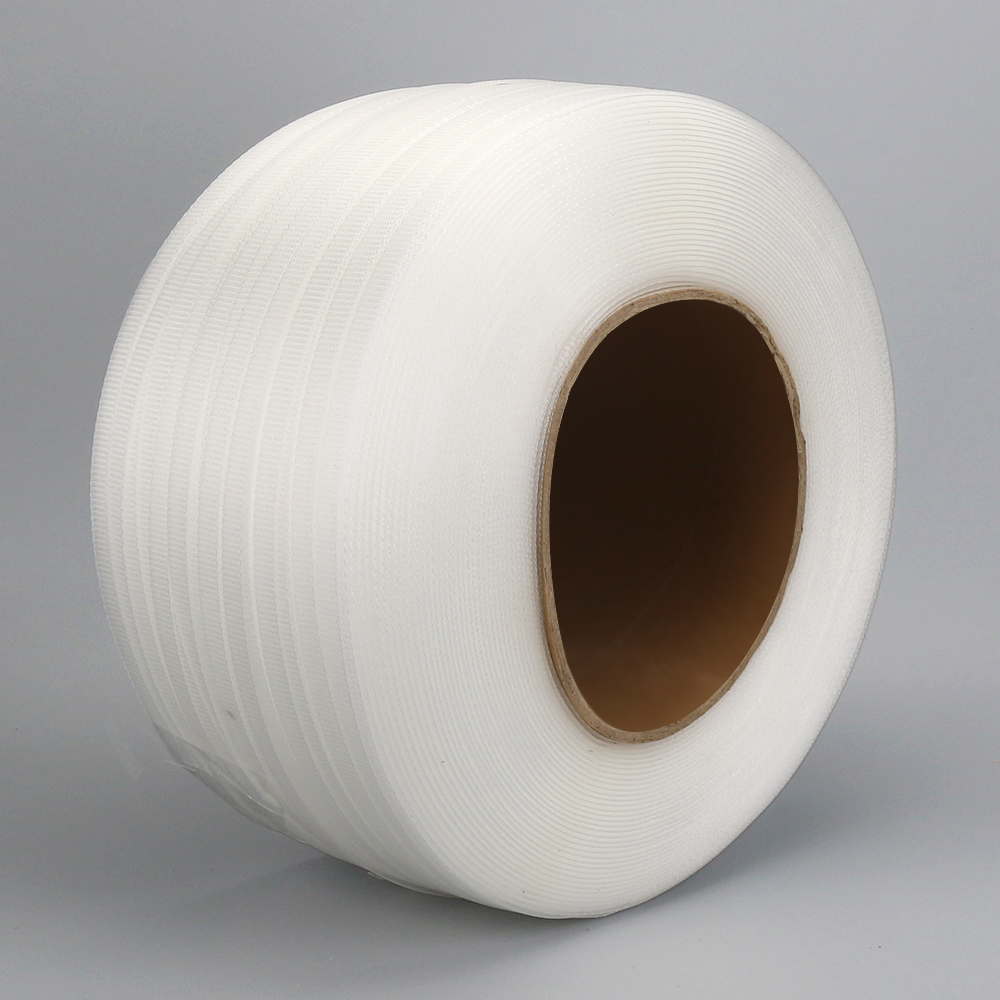
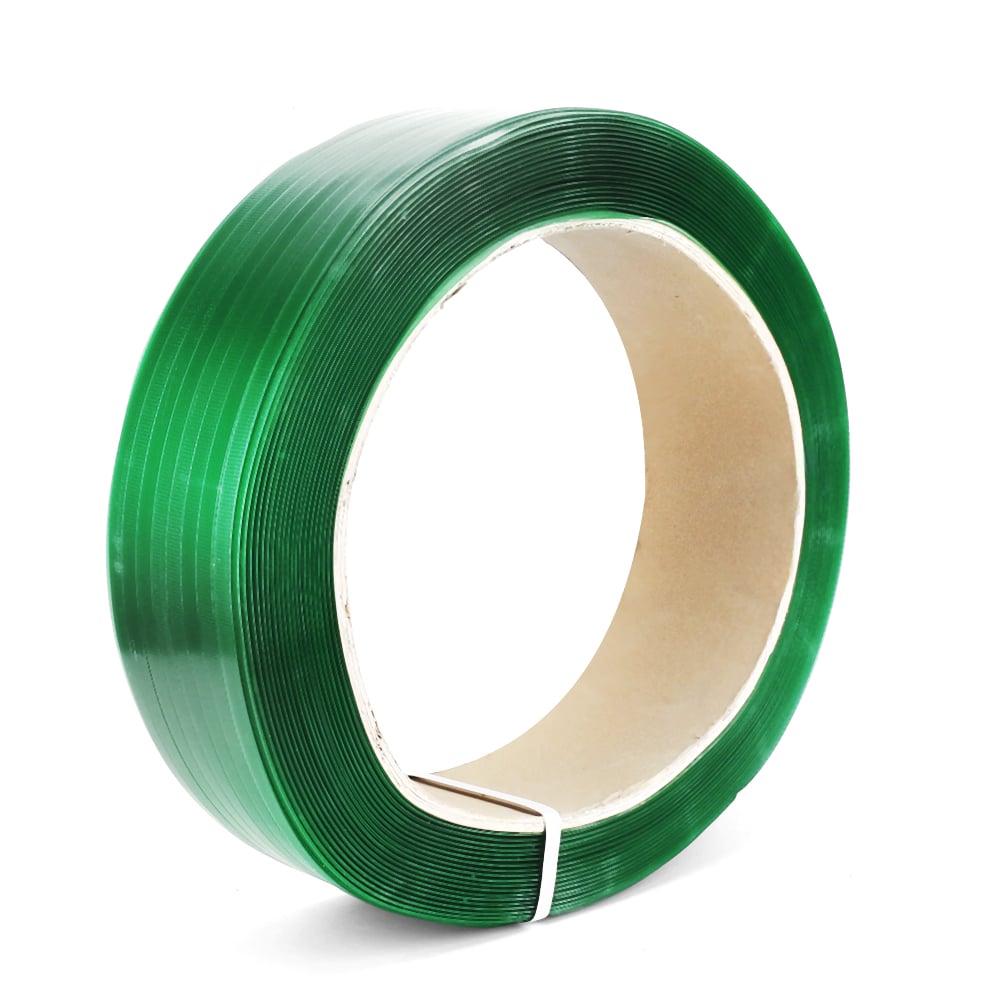
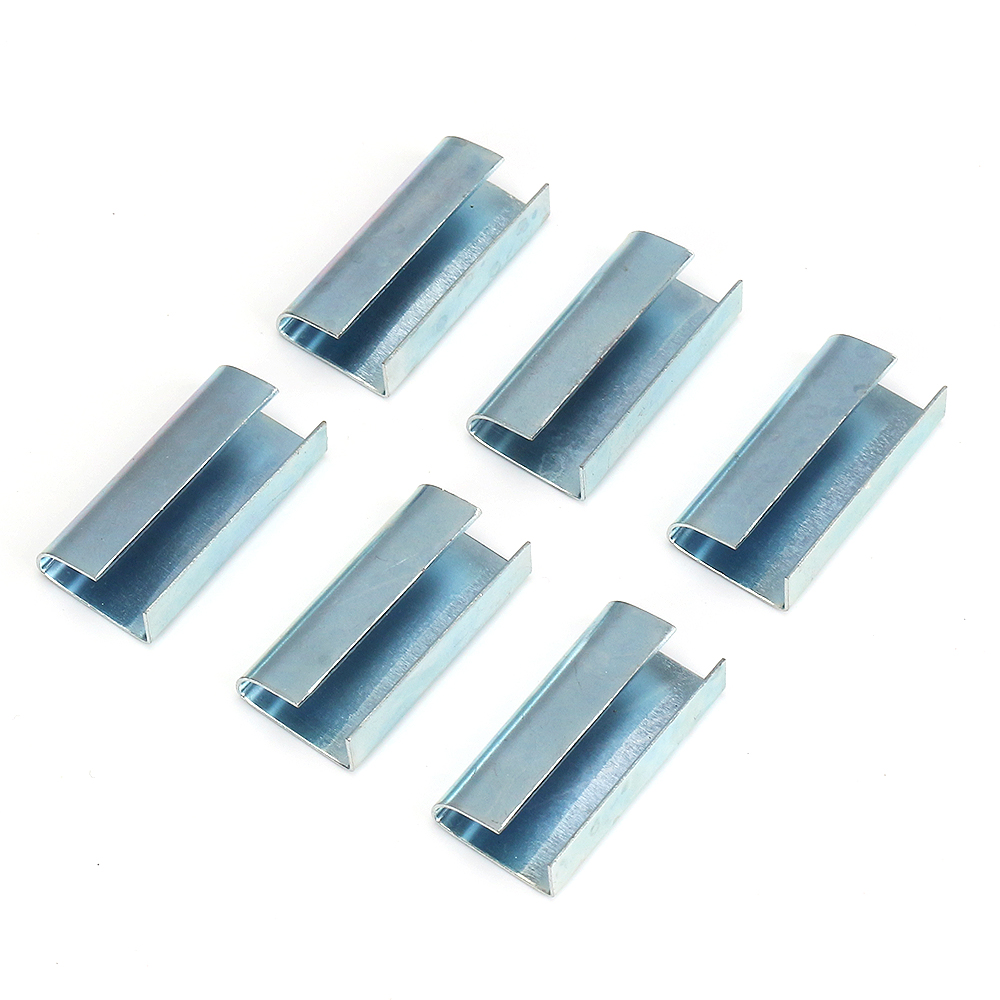
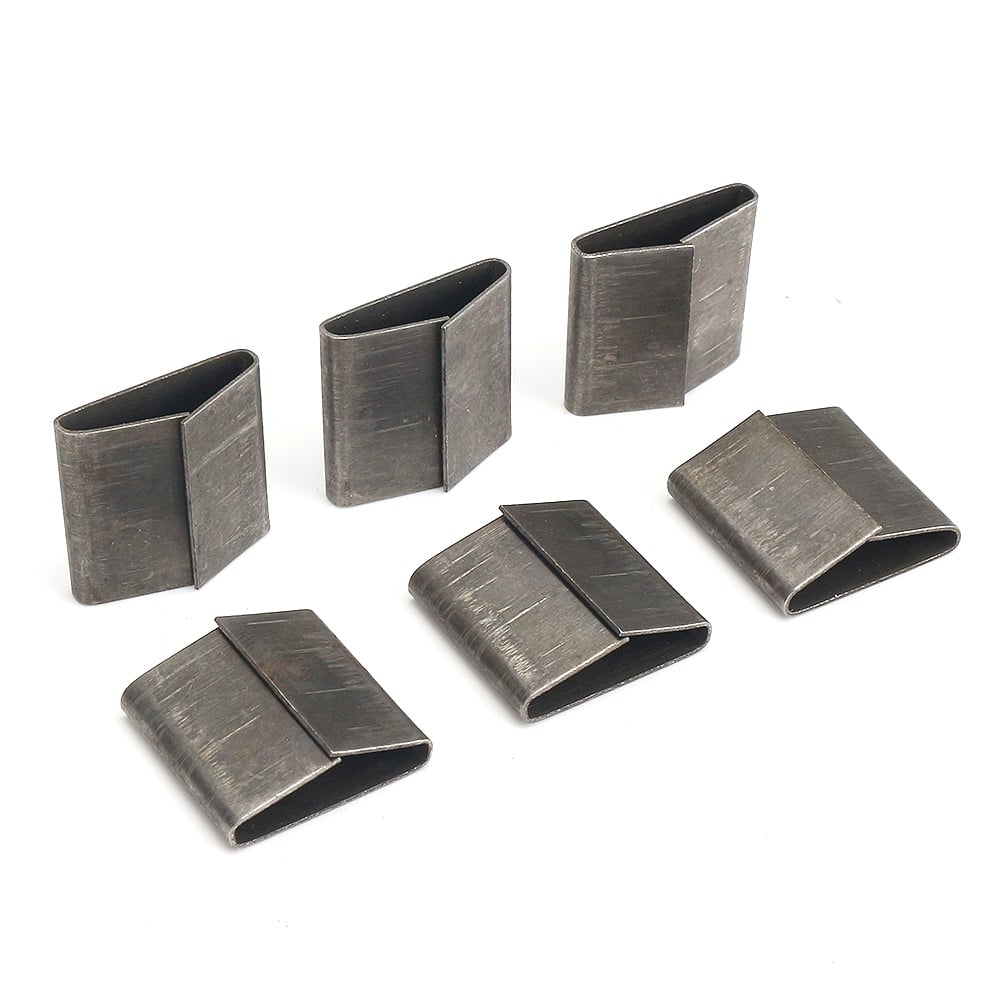
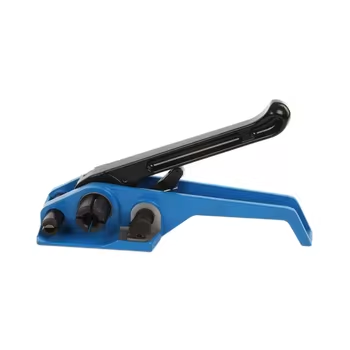
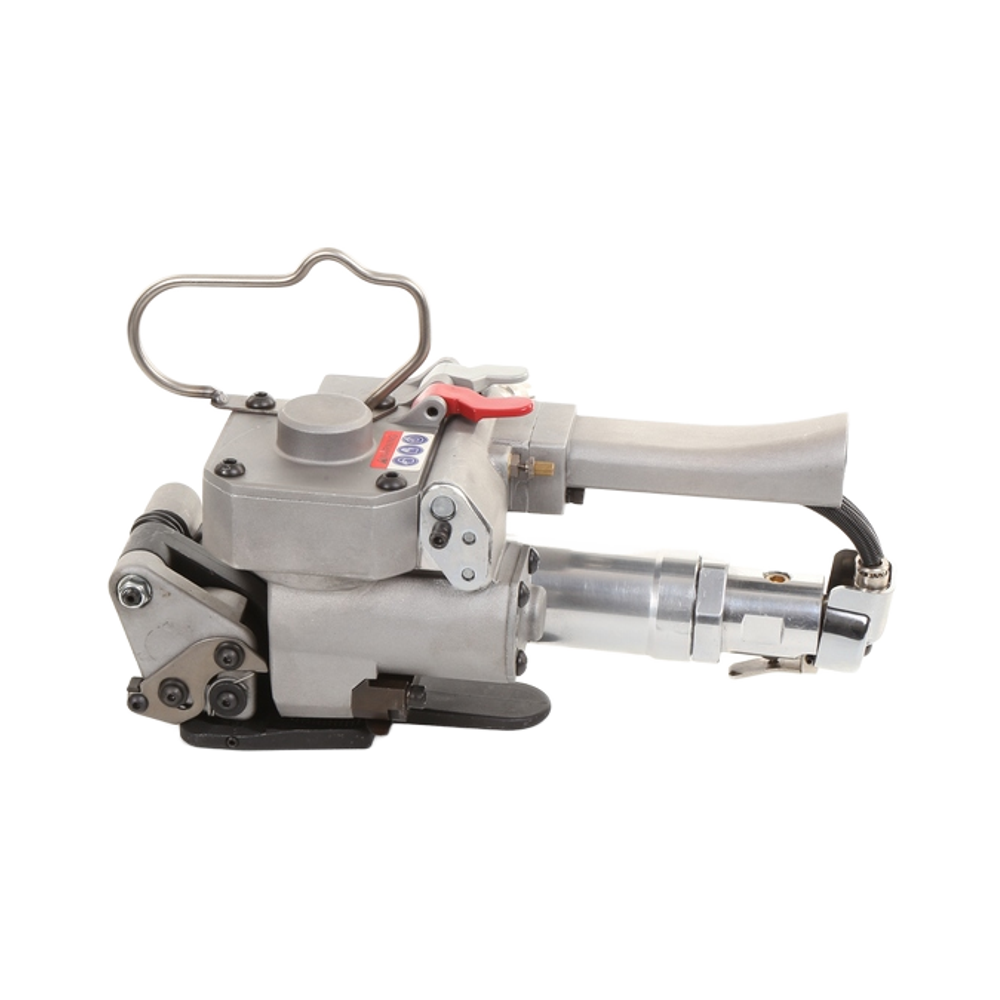
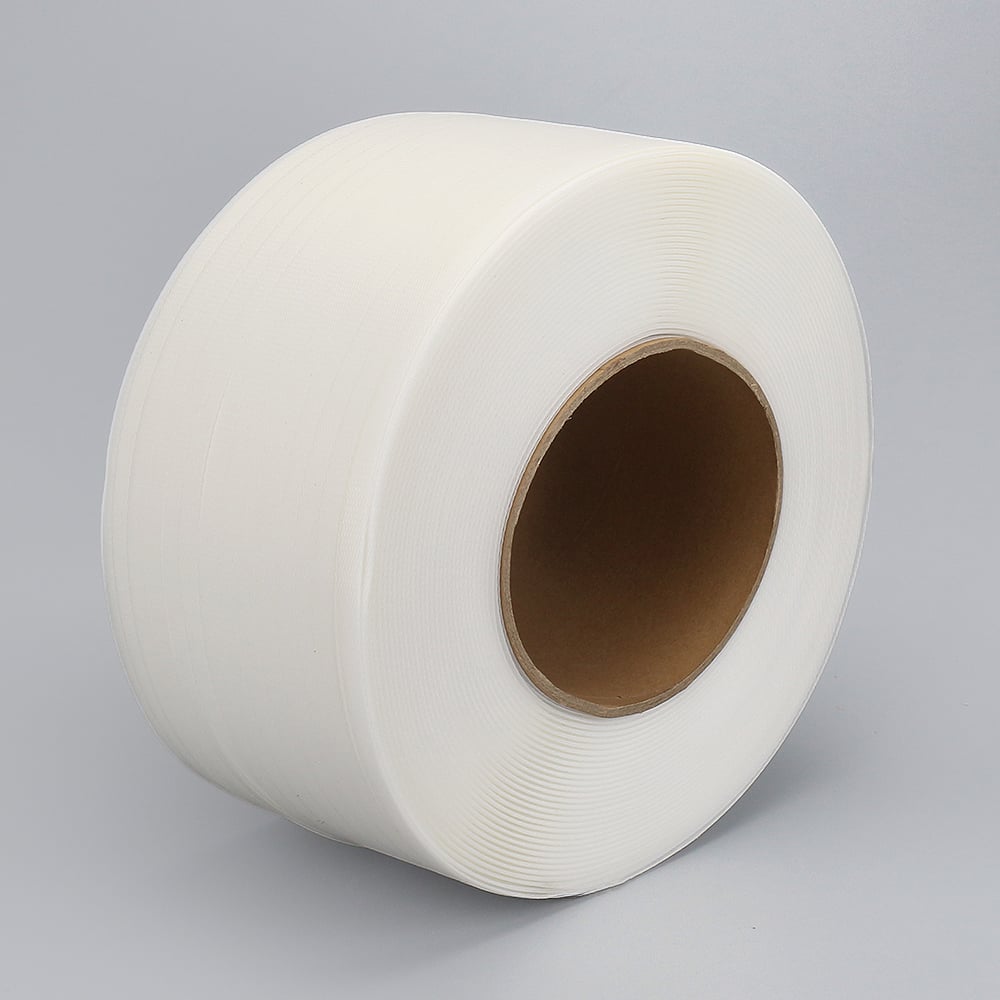
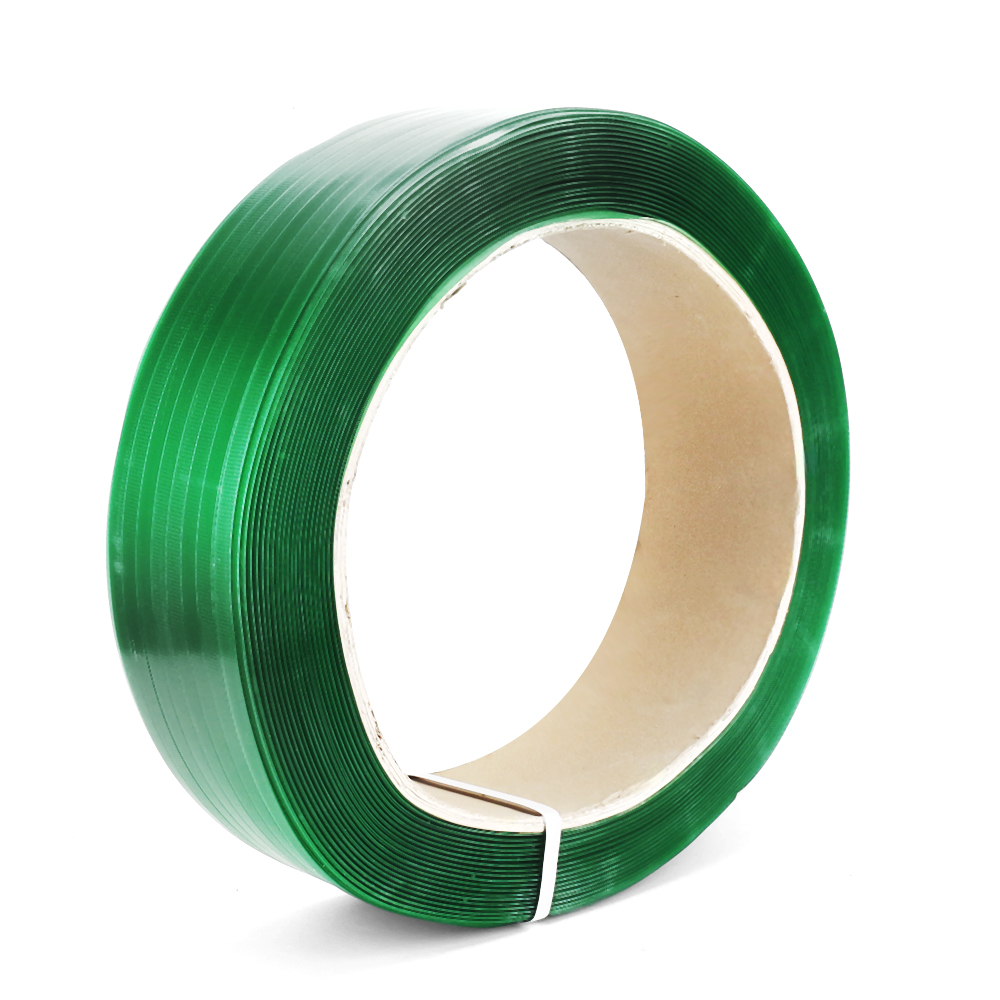
Key Specifications for Durable Polyester Banding Solutions
Several specifications are vital to ensure the polyester banding you select meets your durability and performance needs. Key specifications include:
Breaking Strength: This measures the maximum load the banding can withstand before breaking. It's essential to choose banding with a breaking strength that exceeds the weight of the packaged goods.
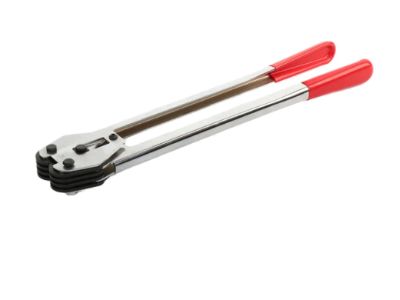
Width and Thickness: The width and thickness of the banding affect its strength and usability. A wider banding tools can distribute tension more evenly, while thicker banding typically provides greater strength.
Elongation: This indicates how much the banding can stretch before reaching its breaking point. Polyester banding with adequate elongation can absorb shock during transit, reducing the risk of breakage.
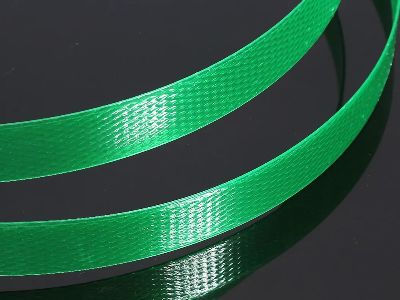
Surface Treatment: Some polyester bandings are treated to enhance their resistance to UV light, chemicals, or moisture, which is particularly important in specific shipping environments.
Evaluating these specifications thoroughly will help you select a polyester banding solution that is not only durable but also compatible with your specific applications.