Choosing Metal Banding Supplies for Your Projects

Contact me immediately if you encounter problems!

All Categories

metal banding supplies

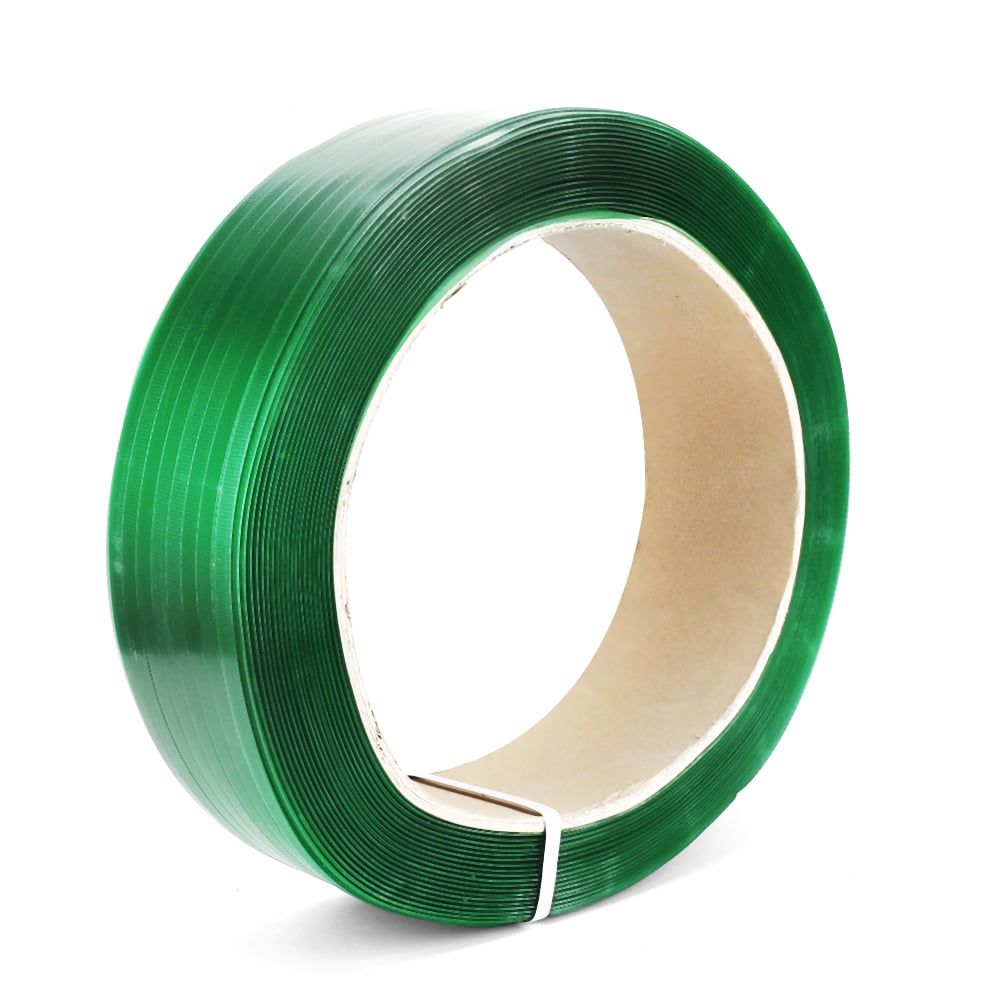
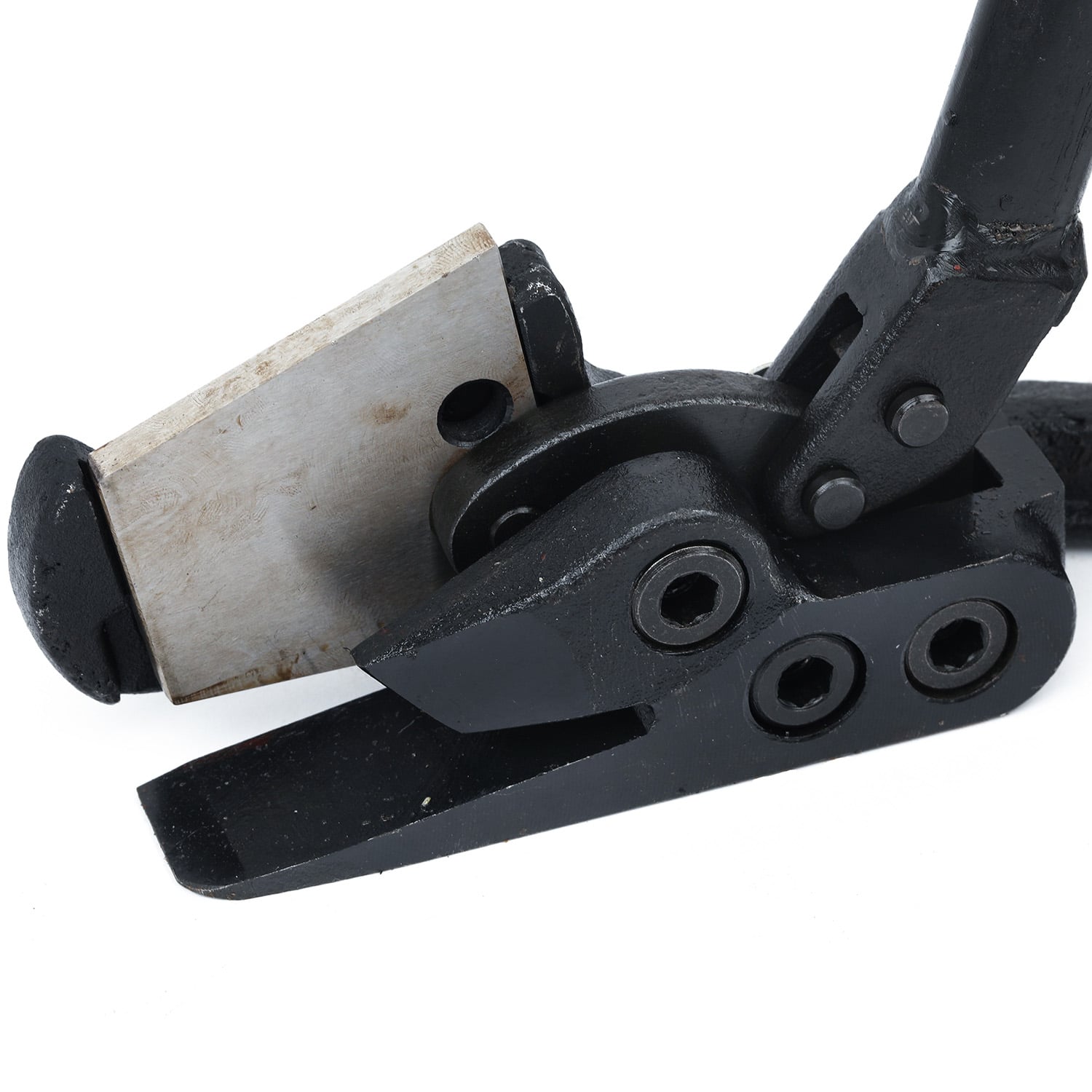
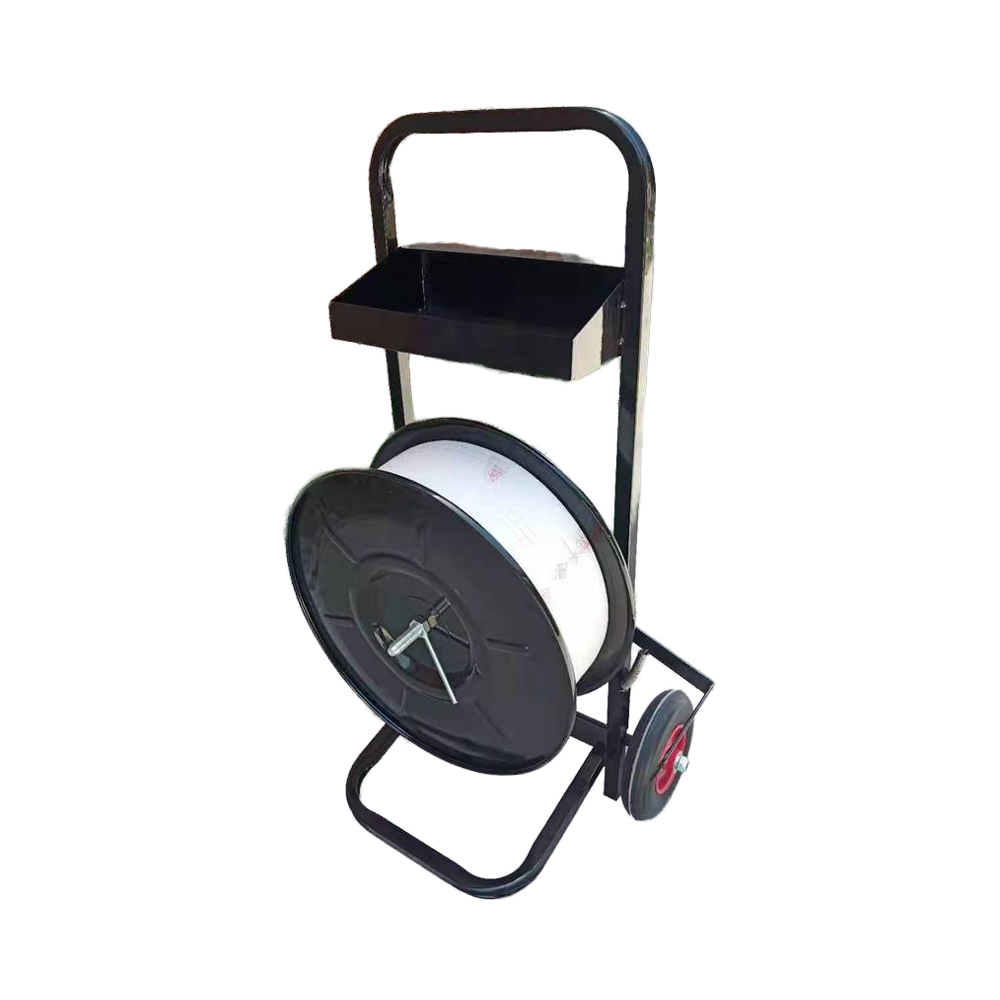
Understanding  the nuances of  metal banding supplies is crucial for  businesses  involved in packaging,  shipping, and securing products during  transit. As industries  increasingly rely  on effective  strapping solutions to protect their goods, purchasing managers and engineers  must  consider factors like material quality, application suitability, and cost-effectiveness. This article  will guide you  through the essential criteria  for selecting metal banding supplies,  ensuring  you make  informed decisions  that meet  your operational needs.

Key Specifications to Evaluate When Sourcing Metal Banding Supplies

When sourcing metal banding supplies, specific technical specifications  are crucial for ensuring optimal performance. Here are the main specifications to consider:

Thickness: The thickness of the banding  affects its strength and durability. Thicker bands generally provide better load  handling but  may require more robust tools for application.

Width:  Width should  correspond  to the size of the packages being strapped. Wider bands distribute the load more evenly,  which can prevent damage to the contents.

Tensile Strength: This is a measure  of  the maximum  load the band can withstand before breaking. Ensure that the tensile strength meets  or  exceeds the requirements of your application.

Material Type: As mentioned, steel and stainless steel are common materials. Assess their suitability based on the intended environment and  product safety.

Coating: Some metal bands  come with coatings that improve corrosion resistance. Verify if a  coating is necessary for your application, especially in humid or saline environments.

By understanding these  specifications,  purchasing managers can more effectively assess the suitability of various metal  banding options for their specific  needs.
Quality and Cost Considerations

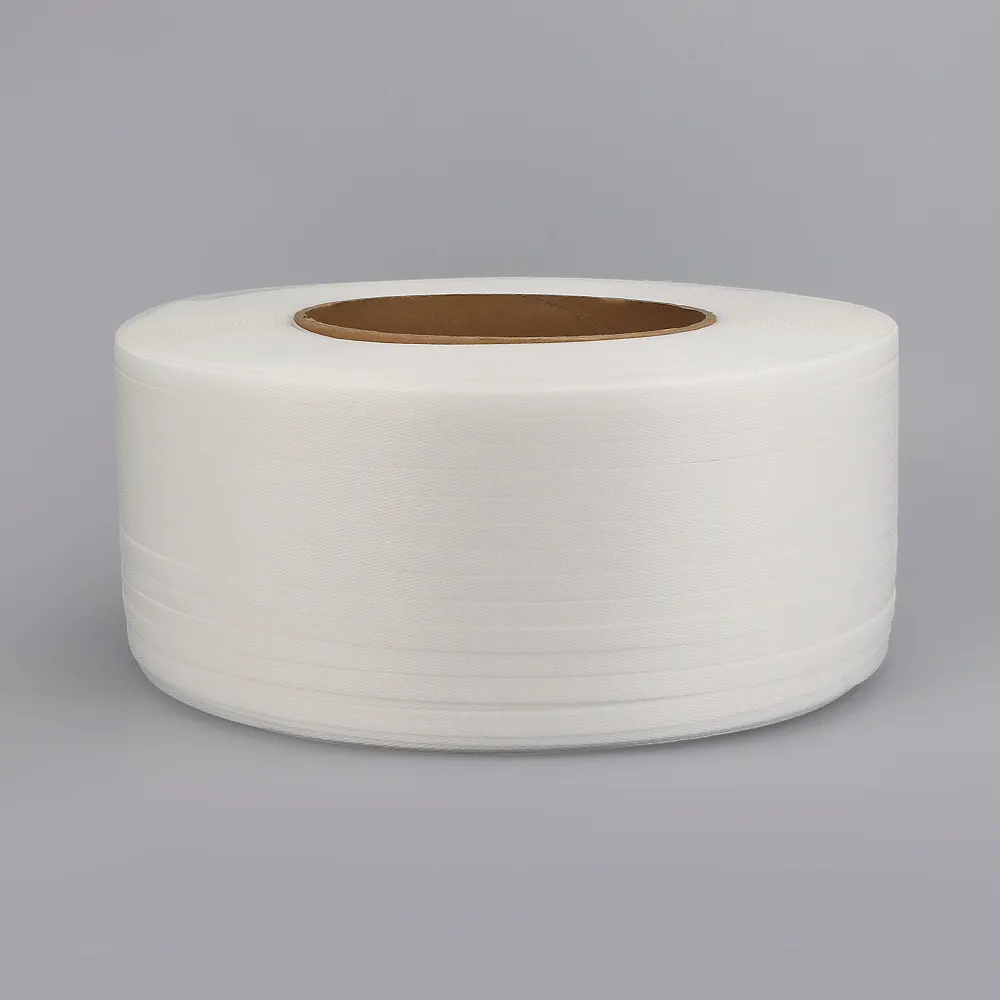
Quality and  cost are often at odds in the procurement process, but finding the  right balance is  essential. High-quality metal banding supplies  can  prevent costly product  damage and ensure reliable performance  during transit. Here are  some considerations:

Supplier Reputation: Research  potential suppliers’ track  records. Established manufacturers often have rigorous quality control processes, ensuring consistency in their products.

Certifications: Look for suppliers that adhere to  recognized industry standards and possess relevant certifications, which indicate compliance with quality  and safety requirements.

Cost Analysis: While it can be tempting to choose the lowest-cost option, consider the total  cost of ownership. Inferior products may lead to higher long-term costs due to product failures or increased labor for application and adjustments.

Sample Testing: Before  finalizing a  bulk order, request samples to evaluate the quality and performance under actual operating conditions.  This  step  can uncover  potential issues before they become costly problems.

Common Problems with Metal Banding and Effective Solutions

Metal banding is not without its challenges. Understanding  common problems can help  buyers make informed decisions and mitigate risks.  Here are frequent issues and their solutions:

Corrosion: If metal bands are not appropriately coated, they can corrode, especially in damp environments. Use stainless steel or ensure proper coating for enhanced corrosion  resistance.

Over-tightening: Too  much  tension can damage the  packaged goods. Implement training for personnel on correct application techniques and use  tensioning tools with adjustable settings.

Inconsistent Quality:  Variability in manufacturing  can lead to inconsistencies  in product  performance. Establish a relationship with trusted suppliers who offer consistent quality checks and documentation.

Improper  Sizing: Using the wrong width or thickness can lead to band breakage or inadequate  support. Always  verify specifications against the  requirements of the items being  secured.

By proactively  addressing  these challenges, businesses can improve their metal banding processes and minimize disruptions.

Tips for Buyers and Importers

As a buyer  or importer, navigating the  procurement of metal banding supplies requires attention to detail and a clear  understanding  of  your  needs. Here are some practical tips:

Define Your  Requirements: Before reaching  out to suppliers, clarify your project specifications, including dimensions, load requirements, and environmental conditions.

Request Detailed Quotations: When soliciting quotes, specify all  necessary details, including material  type, dimensions, and required  tensile strength. This clarity helps  suppliers provide accurate pricing and lead times.

Evaluate Supplier Capabilities: Assess suppliers not only on  price  but also on their production capabilities, quality control processes, and customer service. A  reliable supplier can streamline your operations.

Ask About Customization: If  your project has unique requirements, inquire about customization options. Many manufacturers, like Enjoy Packaging, can tailor their offerings to fit specific needs, including Battery strapping tool for specialized applications.

Plan for Lead Times: Understand the expected lead times for production and delivery. Factor these into your project timeline to avoid delays.

By  following these tips, buyers can streamline their procurement process and ensure they select the right metal  banding supplies for their needs.

How to Choose the Right Metal Banding Supplies for Your Projects

Selecting the right metal  banding supplies begins  with understanding the specific requirements of your project.  Key factors include the type  of materials being secured, the weight and  dimensions of  the  packages, and the environmental conditions they will face during transit.  For example, using the right Adhesive tape can further enhance the security of your packages.

Metal banding  is typically made from steel or stainless steel. Steel banding is renowned for  its high tensile strength, making it suitable for heavy-duty applications, whereas stainless steel is preferred in environments with  exposure to corrosive elements. Evaluate the following when choosing metal banding:

Application: Consider the industry and specific  applications. For instance,  food and beverage industries may require stainless steel for its  resistance  to corrosion and hygiene requirements.

Load Requirements:  Determine the load  capacity needed. Heavier loads  may require a thicker band with higher tensile strength.

Environmental Conditions: If  the banding will be exposed to moisture or chemicals, opt for materials that offer corrosion resistance.

Compatibility: Ensure the selected metal  banding is compatible with your existing equipment, such as strapping tools like a Strapping tool and buckles.

Our Blog Posts

How Polypropylene Strapping Supports Fast Manual and Semi Auto Strapping

23

Jun

How Polypropylene Strapping Supports Fast Manual and Semi Auto Strapping

One thing that will literally wrap things up for you in a jiffy is polypropylene strapping. Polypropylene strapping can ease the process whether you are hand-strapping or using a machine. Today we're going to dive into how polypropylene strapping und...
View More
Perfect for Manual Strapping Jobs with Hand Tools the Versatile PP Strap

24

Dec

Perfect for Manual Strapping Jobs with Hand Tools the Versatile PP Strap

Enjoy Packaing PP strap An all-rounder for manual strapping tasks! Are you reading for a fast way of ensuring that the delivery is made securely. Enjoy Packaging PP strap is an admirable choice for all your manual strapping jobs with hand tools Incr...
View More
Troubleshooting Inconsistent Seal Quality on a Strapping Machine

09

Sep

Troubleshooting Inconsistent Seal Quality on a Strapping Machine

Inconsistent seal quality on a strapping machine can lead to significant operational inefficiencies, product damage, and increased costs. Understanding how to troubleshoot these issues is crucial for purchasing managers, engineers, and operators who ...
View More
Why PET Strapping Rolls Slip or Break Inside the Feeder

09

Sep

Why PET Strapping Rolls Slip or Break Inside the Feeder

Understanding why PET strapping rolls slip or break inside the feeder is crucial for ensuring smooth operations in manufacturing and packaging environments. These issues can lead to costly downtime and material waste, affecting overall productivity. ...
View More

Get a Free Quote

Our representative will contact you soon.
Email
Name
Mobile/WhatsApp
Company Name
Message
0/1000

Related product categories

Choosing Metal Banding Supplies for Your Projects

Get a Free Quote

Our representative will contact you soon.
Email
Name
Mobile/WhatsApp
Company Name
Message
0/1000